
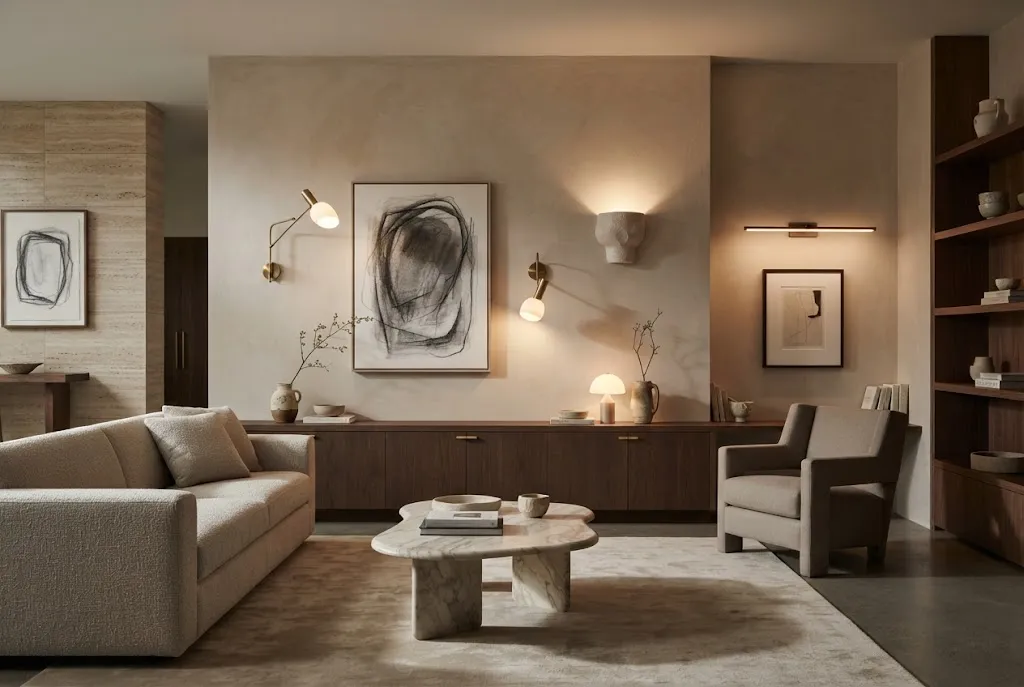
Ceramic Wall Sconces
Ceramic wall sconces bring light, texture, and sculptural character to spaces without taking up valuable floor or table space. Our collection of wall lamps combines distinctive ceramic forms with contemporary and timeless design, making them an elegant choice for living rooms, bedrooms, hallways, dining spaces, and entryways. Whether used as a single decorative wall light or arranged as a balanced pair, wall sconces can create a warm atmosphere while adding visual interest to the room. Explore ceramic wall lighting designed to complement modern interiors while giving everyday spaces a more expressive and considered feel.
Filter by price
Catégorie
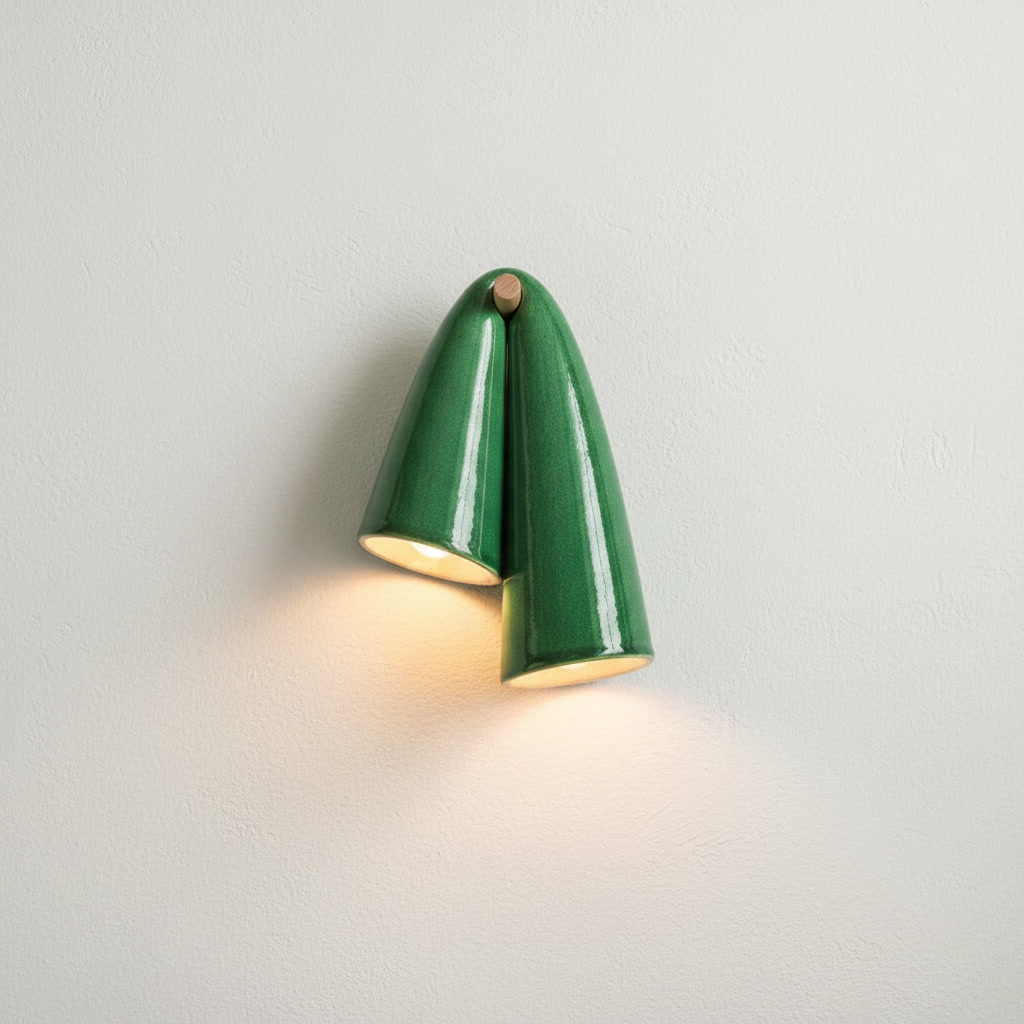
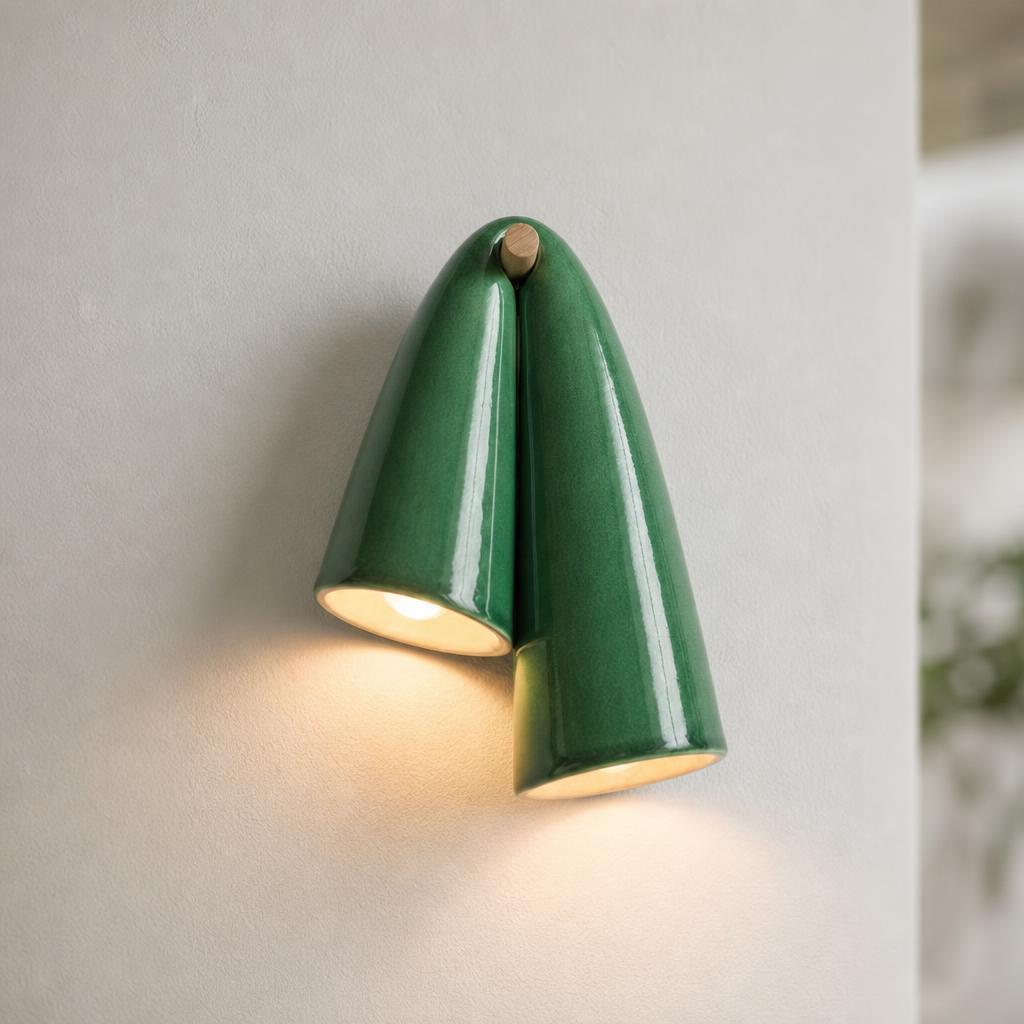
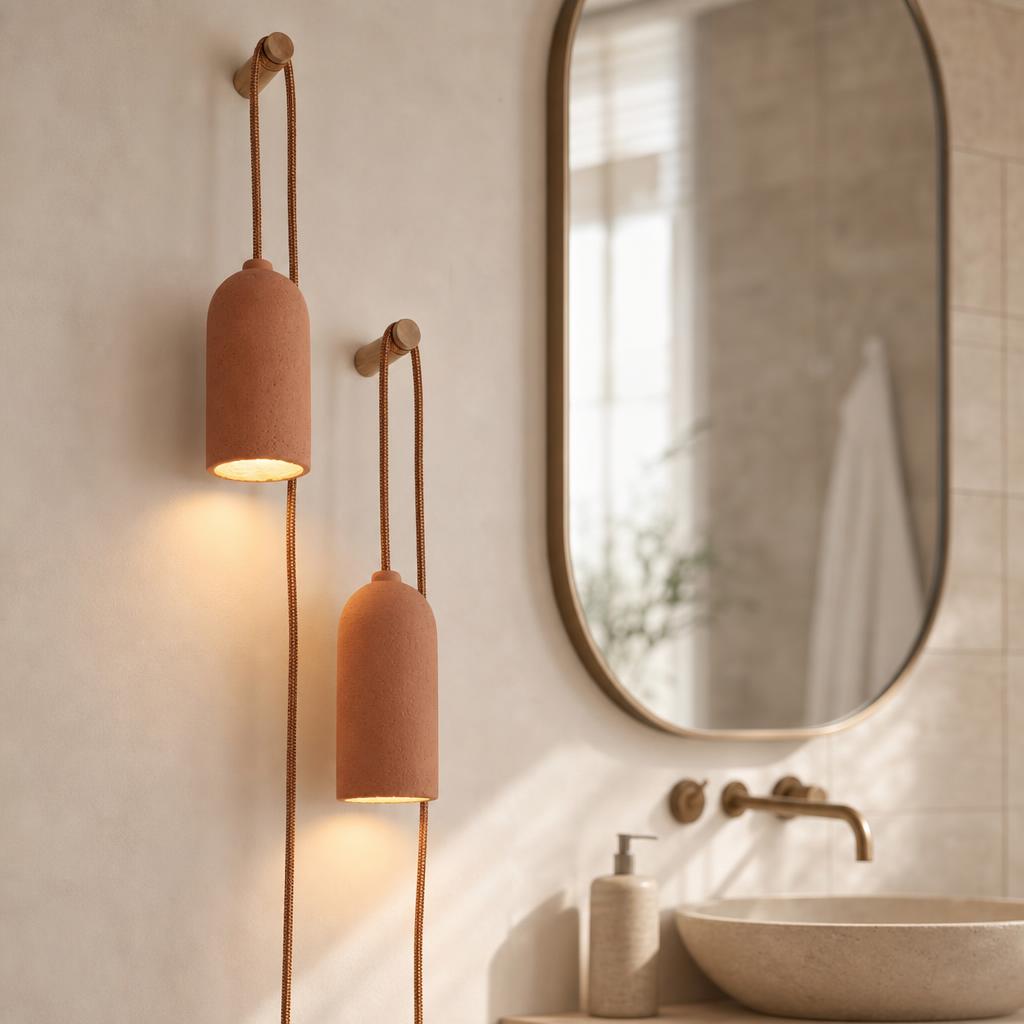
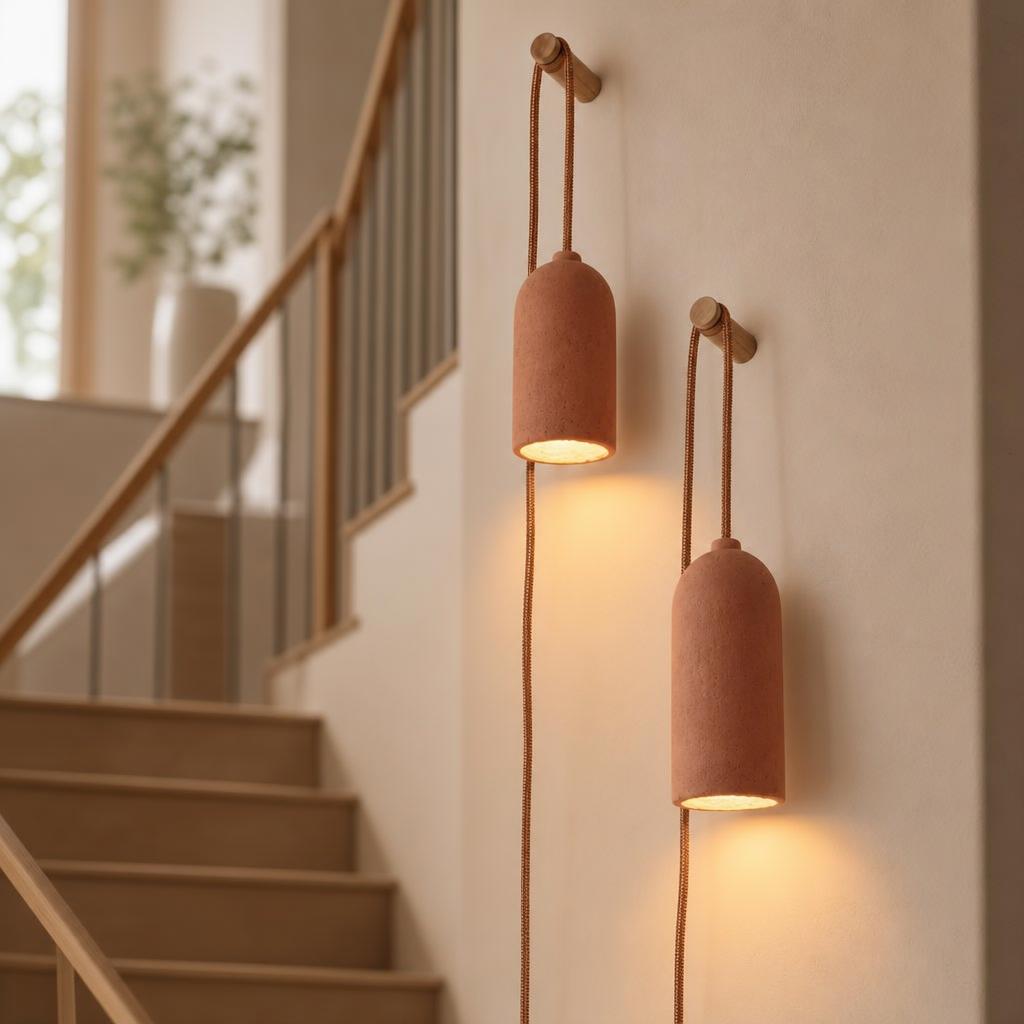
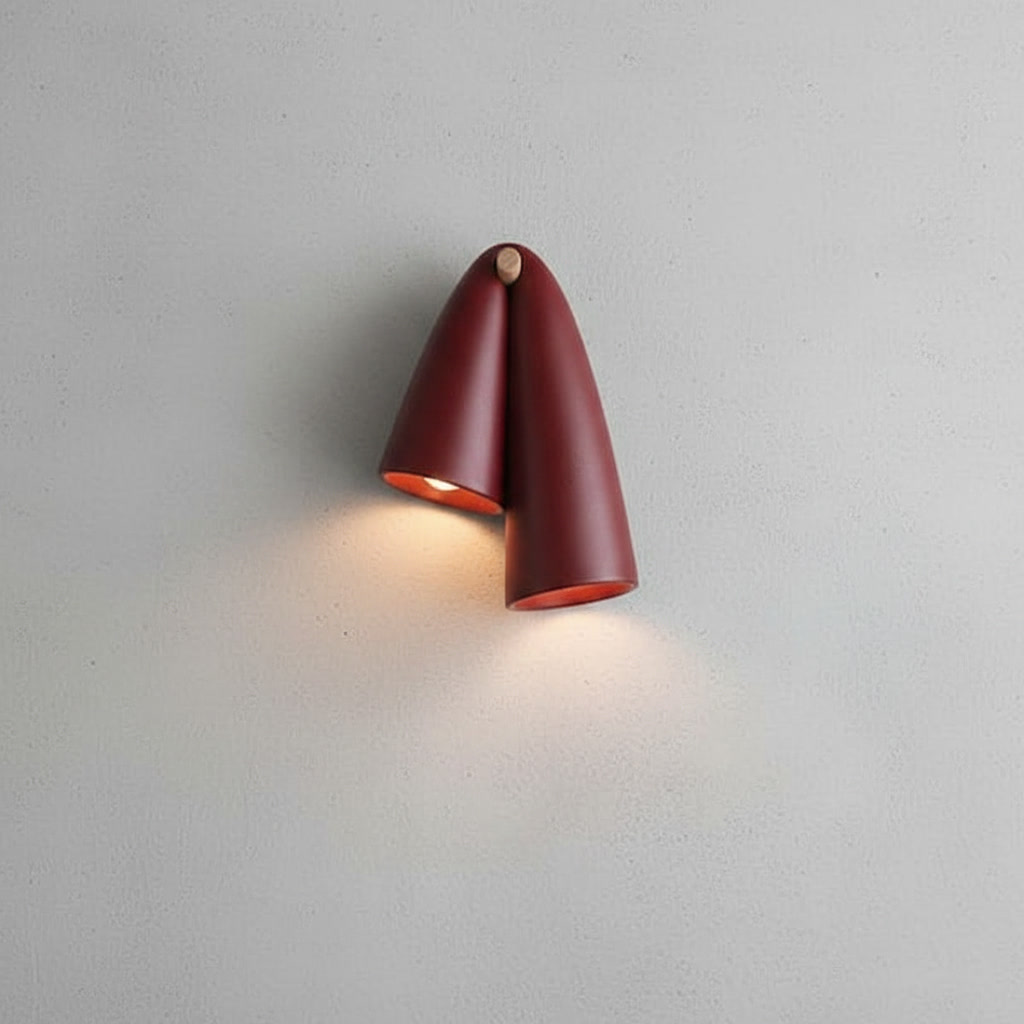
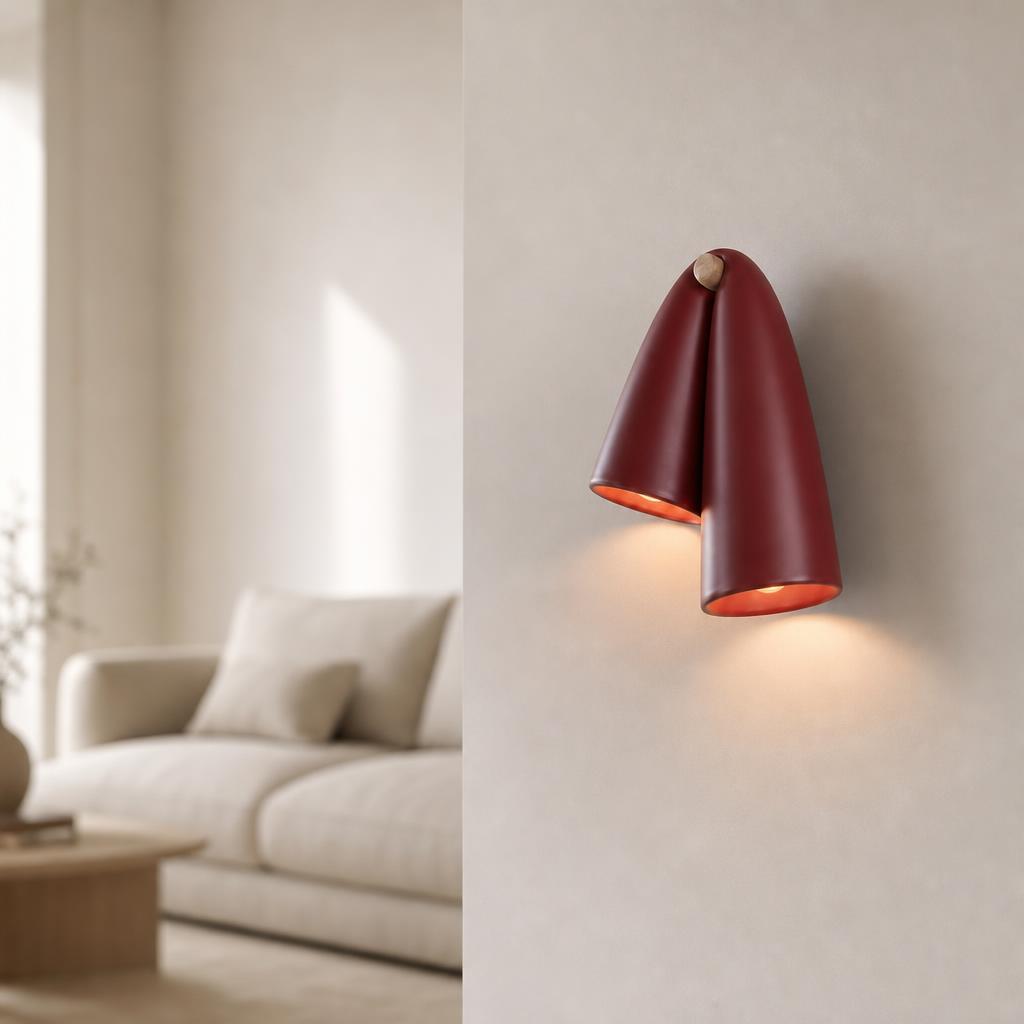
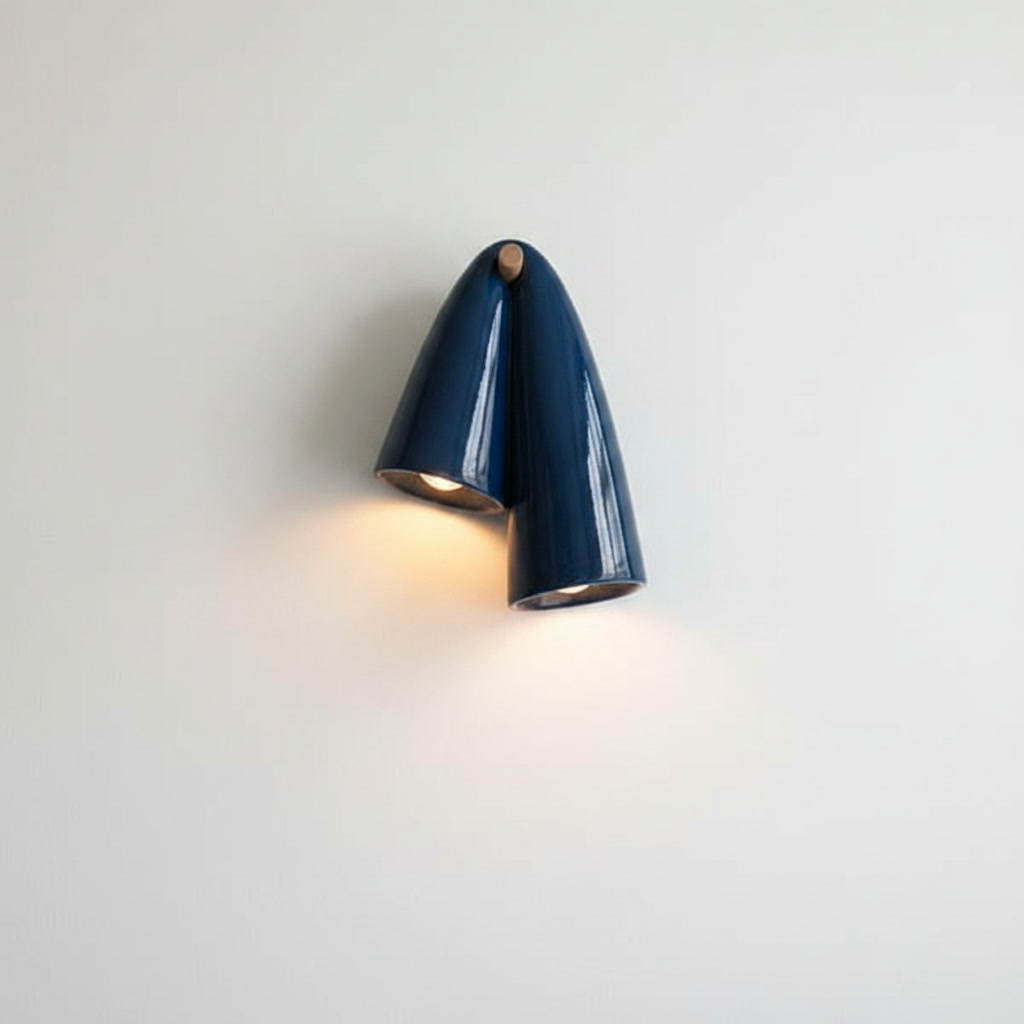
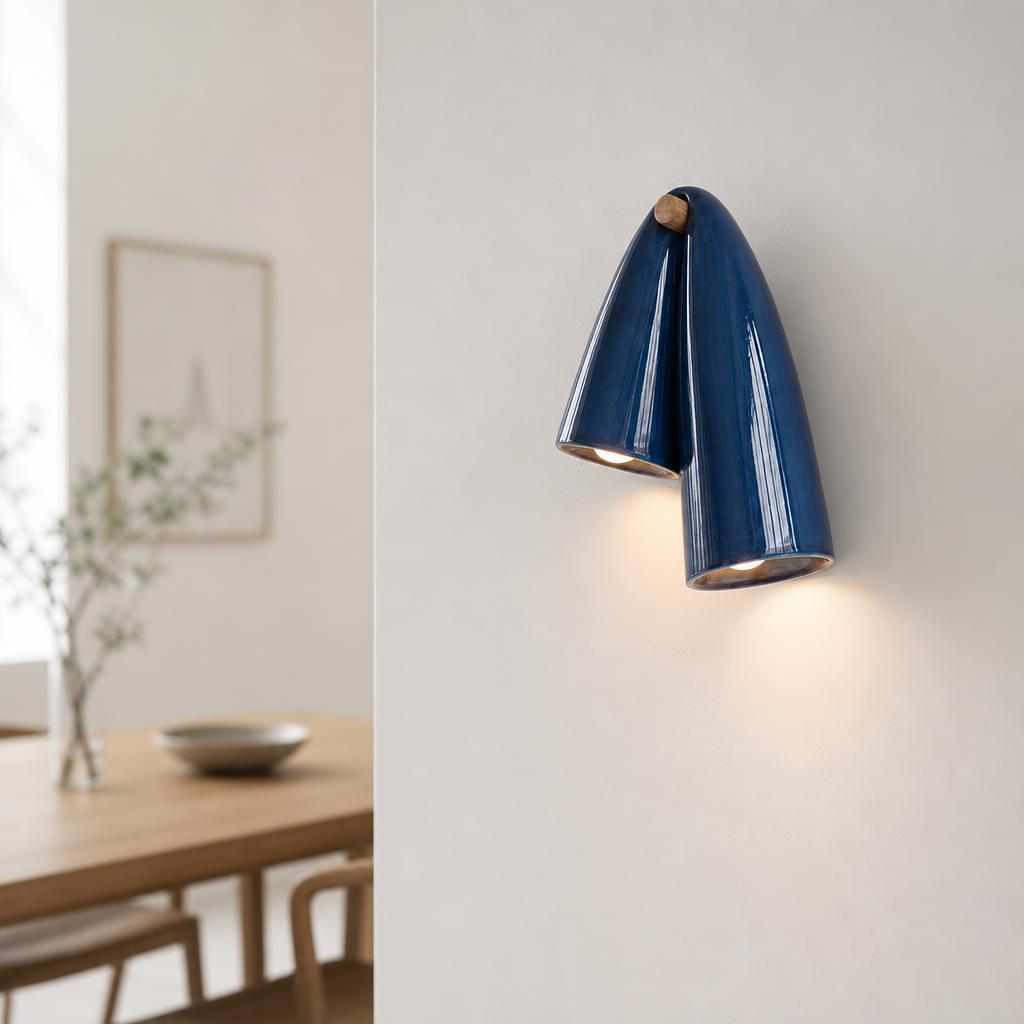
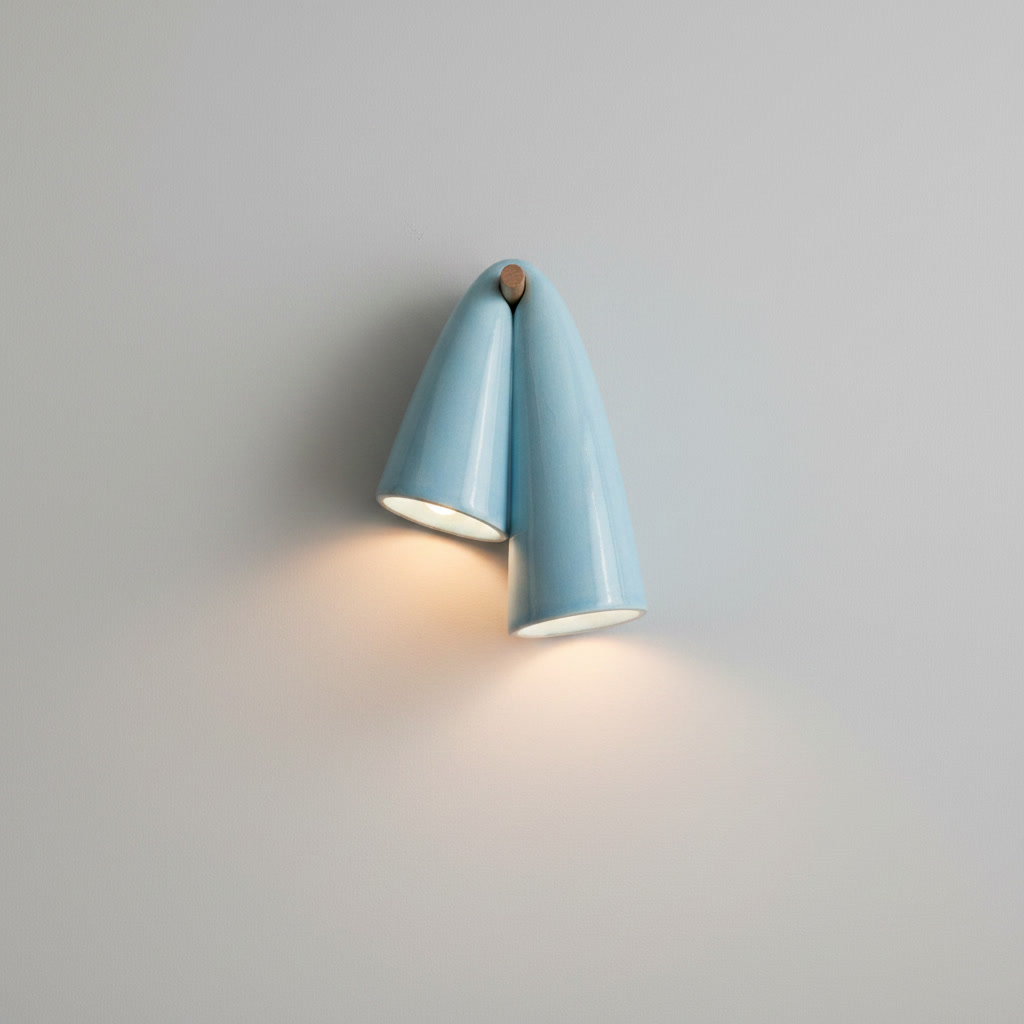
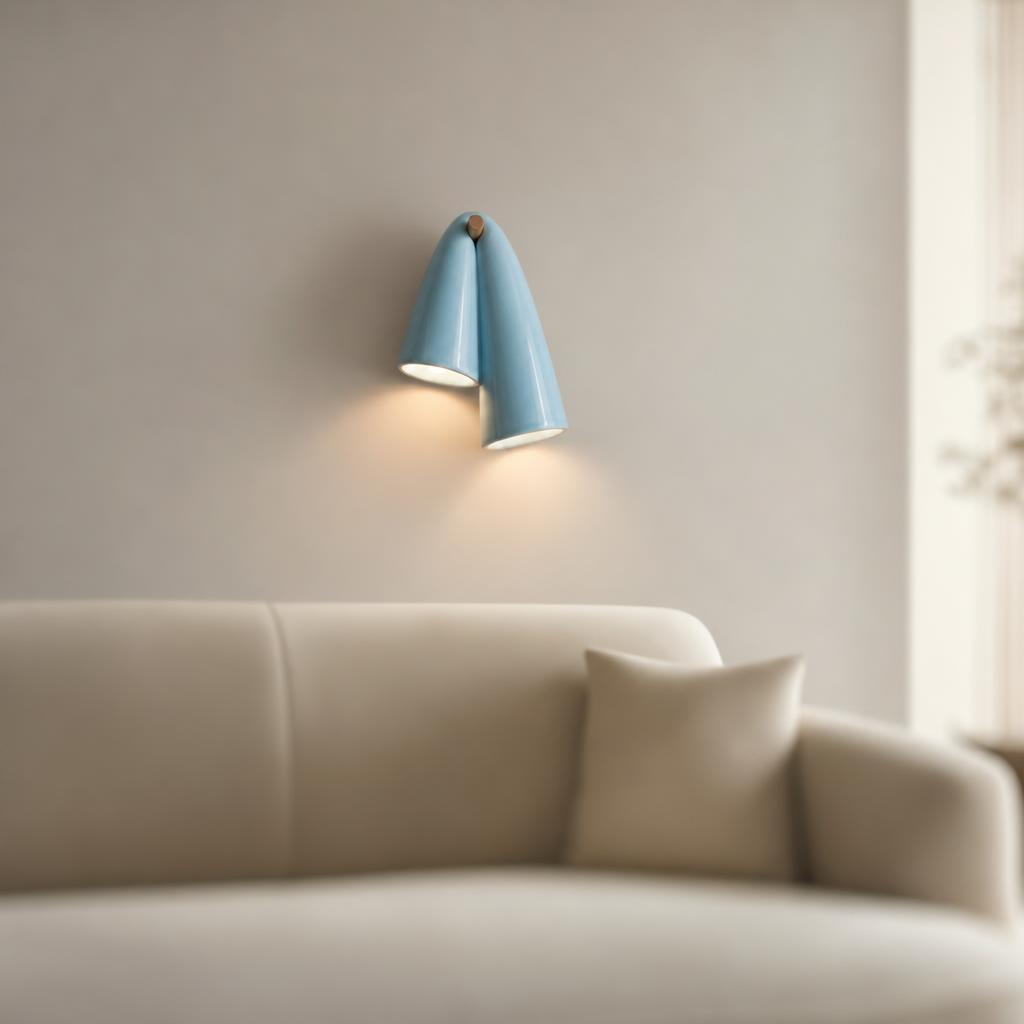
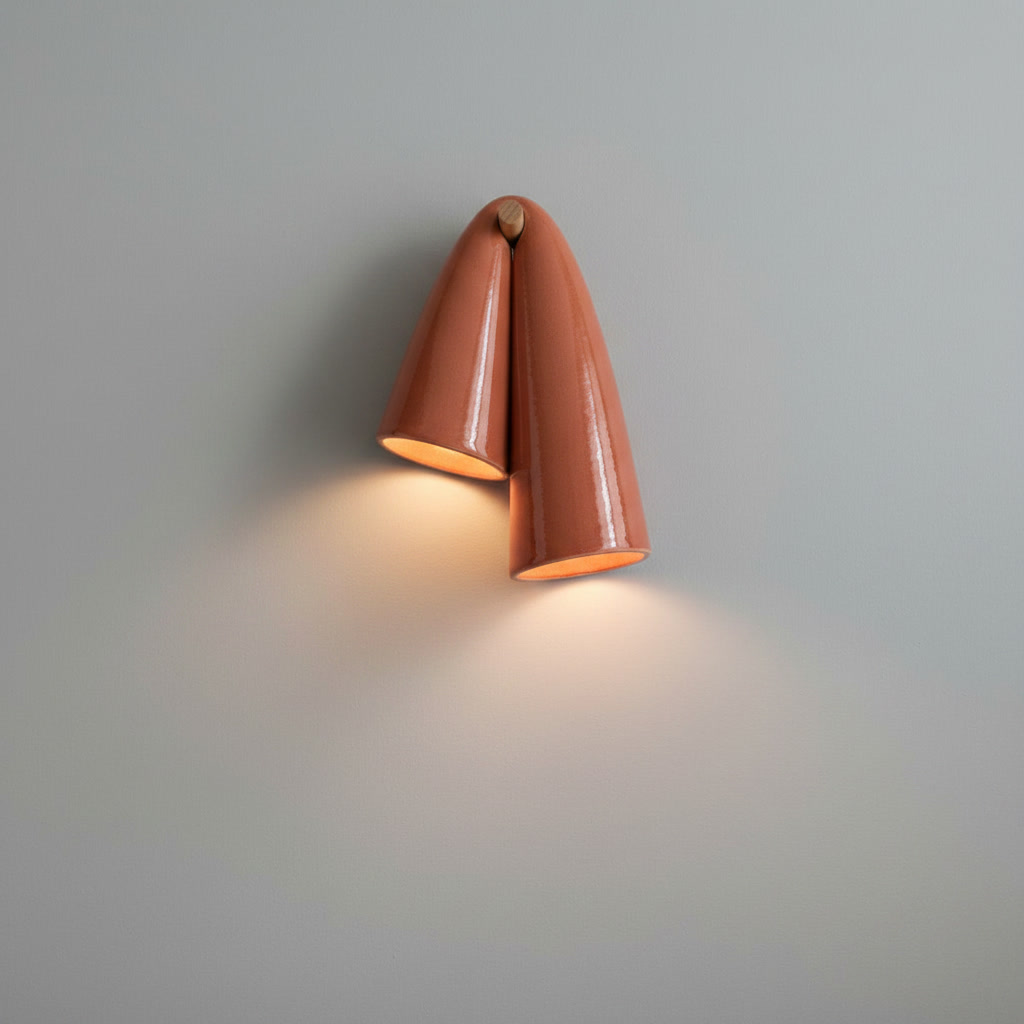
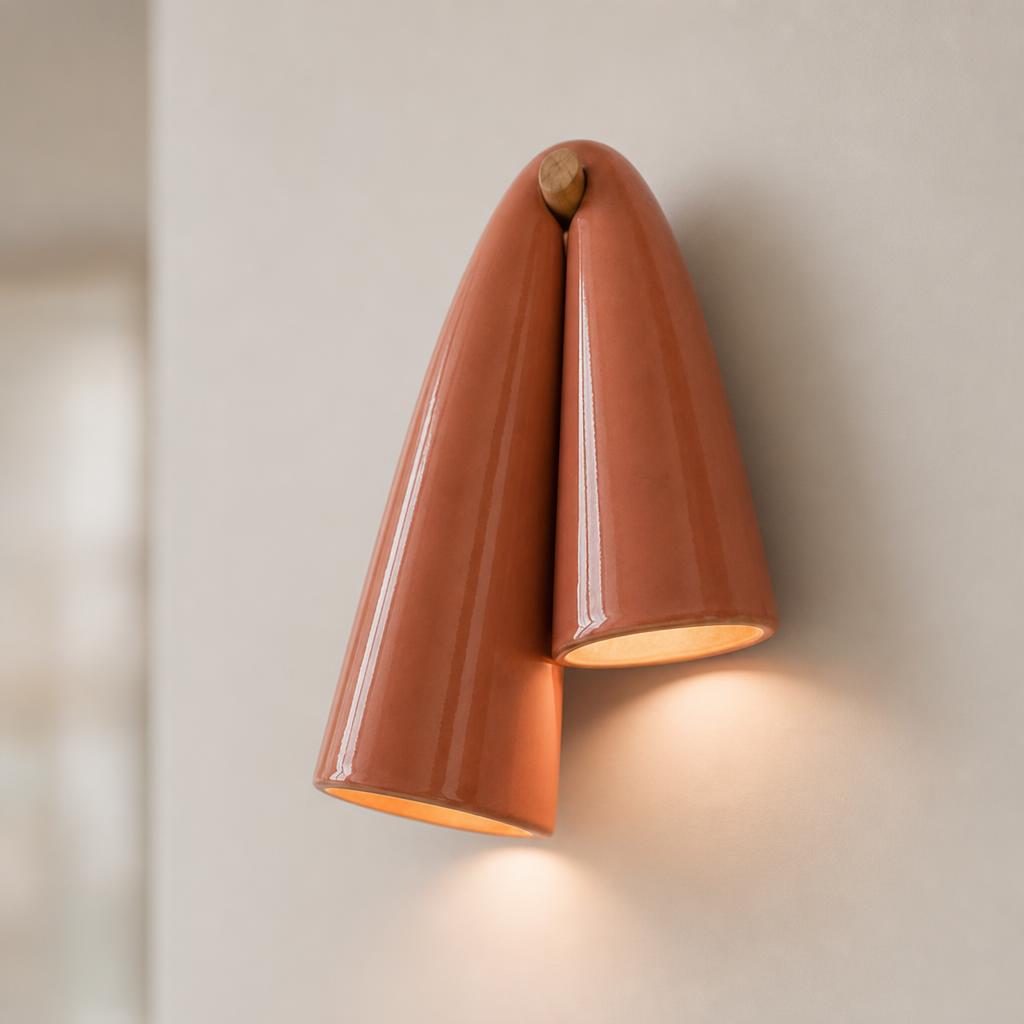
Ceramic Wall Sconces & Wall Lamps
Ceramic wall sconces combine practical wall lighting with the character of a decorative object. Mounted directly on the wall, they can add another layer of illumination to a room while introducing shape, texture, color, and visual rhythm without using floor or tabletop space.
At Art Ceramico, our wall lighting collection focuses on ceramic designs that feel just as considered when switched off as they do when illuminated. From contemporary wall sconces with sculptural silhouettes to expressive ceramic finishes that bring warmth to otherwise simple walls, these fixtures are designed for interiors where lighting is part of the overall design rather than an afterthought.
Wall sconces can work in many areas of a home. They can frame a focal point in a living room, bring soft lighting to a hallway, create symmetry beside a bed, add atmosphere to a dining space, or introduce an unexpected decorative detail to an entryway.
For a complete lighting scheme, wall lights can also be combined with our ceramic pendant lights and ceramic table lamps to create different layers of light throughout the interior.
What Is a Wall Sconce?
A wall sconce is a light fixture that is mounted directly to a wall rather than placed on a table, floor, or ceiling.
The terms wall sconce, wall lamp, and wall light are often used for similar types of fixtures. Their designs can vary significantly, but their main purpose is to provide illumination from the wall while becoming part of the architecture and decoration of the room.
Unlike a table lamp, a wall sconce does not require furniture below it. Unlike a pendant lamp, it does not need to hang from the ceiling.
This makes wall-mounted lighting especially useful when you want to add light while keeping the surrounding space visually open.
Ceramic wall sconces add another dimension because the material itself becomes part of the design. The ceramic surface can introduce color, texture, curved forms, subtle irregularity, or a more sculptural silhouette that helps the fixture feel integrated into the interior.
Why Choose Ceramic Wall Sconces?
Ceramic has a distinctive visual quality that works especially well in decorative lighting.
While metal and glass fixtures often create a polished or architectural appearance, ceramic wall lights can introduce a softer, more tactile element.
A ceramic fixture can become a small focal point on the wall without overwhelming the rest of the space.
A More Sculptural Approach to Wall Lighting
Modern interiors often use lighting for more than illumination.
A carefully selected sconce can function almost like a small piece of wall art.
Shape becomes especially important with ceramic because the material can be formed into distinctive silhouettes that interact with the wall and surrounding light.
This makes ceramic wall sconces particularly interesting in rooms with relatively simple furniture or neutral walls, where a sculptural fixture can provide contrast and character.
Warmth and Texture
Ceramic naturally adds visual texture.
Depending on the finish and color, it can help soften highly contemporary interiors, complement natural materials such as wood and woven fibers, or introduce a crafted element into minimalist spaces.
This makes ceramic wall lighting versatile enough to work across many interior styles rather than belonging to one specific aesthetic.
Decorative Even When the Light Is Off
Good lighting fixtures should contribute to a room throughout the day.
A distinctive ceramic wall lamp remains visible as a decorative object even when it is not illuminated.
For interiors where every object is carefully chosen, this dual role is important: the fixture provides light when needed while continuing to add shape and personality to the wall at other times.
Where Can Wall Sconces Be Used?
One of the strengths of indoor wall sconces is their versatility.
The ideal placement depends on the room, the type of light required, and the proportions of the fixture.
Wall Sconces for Living Rooms
Wall sconces in a living room can create an additional layer of lighting beyond the primary ceiling fixture.
They can be positioned around a seating area, beside artwork, around architectural features, or on an otherwise empty wall that needs more visual interest.
A contemporary wall sconce can be particularly effective when the room already contains table or floor lighting and you want to distribute light across different heights.
Instead of depending on one strong central source, layered lighting can make the living room feel more relaxed and visually balanced.
If portable accent lighting is also part of your design, explore our ceramic table lamps for another way to introduce light at furniture level.
Hallway Wall Sconces
Hallways are a natural place for wall-mounted lamps because available floor space is often limited.
A row of wall lights can introduce rhythm along a longer corridor, while a single statement wall sconce can add interest to a smaller passage or transitional area.
Because wall sconces become part of the vertical surface, they can help transform a hallway from a purely functional circulation space into a more intentional part of the interior.
When selecting hallway lighting, the proportions and projection of the fixture should always be considered so that it fits comfortably within the available space.
Bedroom Wall Lights
Wall lighting can also work beautifully in bedrooms.
Using sconces around a bed can free space on bedside tables while creating a more integrated look.
A balanced pair can introduce symmetry, while a single decorative wall lamp can create a more informal arrangement.
The exact fixture and placement should always be selected according to how the space will be used and the type of illumination required.
Dining Rooms and Entryways
Dining rooms and entryways are spaces where decorative lighting can have a strong visual impact.
Wall sconces can complement ceiling lighting without competing with it.
In a dining room, wall lights can add softer illumination around the perimeter while a pendant provides the central focal point above the dining area.
Explore our pendant lamp collection if you are building a layered lighting scheme around a dining table or kitchen area.
In an entryway, a ceramic sconce can help establish the visual character of the home from the moment someone enters.
Contemporary Wall Sconces for Modern Interiors
Contemporary wall sconces do not need to be plain.
Modern lighting can use bold color, curved forms, contrasting materials, and sculptural shapes while still feeling clean and current.
The key is usually proportion.
A distinctive wall light works best when it has enough visual space around it to be appreciated.
Ceramic is particularly suitable for this approach because its surface and form can introduce personality without requiring excessive ornamentation.
For neutral interiors, colored ceramic lighting can become a focal accent.
For more expressive interiors, a ceramic wall lamp can repeat colors or materials already present elsewhere in the room.
The objective does not need to be perfect matching. Often, the most interesting lighting creates a relationship with the surrounding interior while still maintaining its own identity.
How to Choose the Right Wall Sconce
Choosing a wall lamp should begin with the space rather than the fixture alone.
Consider what you want the light to accomplish and how the sconce will interact with the surrounding furniture, architecture, and other lighting.
Consider Scale and Proportion
A wall sconce that looks compact in a product photograph may feel very different once installed.
Consider the available wall area and nearby objects such as furniture, mirrors, artwork, doors, or architectural details.
Smaller wall lamps can work well when repeated as a pair or series, while larger decorative sconces may be more effective when given space to stand alone.
Think About the Direction of Light
Wall fixtures can create different lighting effects depending on their shape.
Some forms direct light upward or downward, while others create a broader glow around the fixture.
The resulting shadows and reflections can become an important part of how the wall appears at night.
Before choosing a fixture, think about whether the priority is ambient atmosphere, decorative illumination, or more focused light.
Always review the individual product information for specific fixture and electrical details.
Choose Color as Part of the Interior
Ceramic wall sconces offer opportunities to introduce color in a controlled way.
A deeper color can provide contrast against a light wall, while softer shades can create a quieter relationship with the surrounding palette.
Natural finishes and ceramic surfaces can also pair effectively with wood, stone, woven materials, and other tactile finishes.
Rather than treating lighting as a completely separate design decision, consider it alongside the colors and materials already present in the room.
One Wall Sconce or a Pair?
Both approaches can work.
A single sconce can act as a decorative accent or highlight a particular area.
Pairs create symmetry and are frequently used around beds, mirrors, artwork, fireplaces, consoles, or other central elements.
For longer walls or hallways, repeating several wall lamps can establish rhythm and help distribute light more evenly.
The correct arrangement depends on the proportions of the room and the visual effect you want to create.
There is no requirement for every wall fixture in a home to match exactly.
A more considered approach is to choose lights that share complementary materials, colors, proportions, or design language.
Create a Layered Lighting Scheme
The most inviting interiors rarely depend on a single light source.
Combining lighting at different heights gives you more control over atmosphere and helps different parts of the room perform different functions.
Wall sconces provide light at wall level.
Table lamps introduce portable light around seating, bedside furniture, and consoles.
Pendant lights create overhead illumination and can establish a strong focal point above dining tables, kitchen islands, and other central areas.
Used together, these different fixture types can create a more complete lighting composition.
This is also why choosing lighting by material can be effective. Repeating ceramic in different forms can connect separate areas of the interior without requiring every fixture to be identical.
Ceramic Wall Lighting with Character
Wall lighting occupies an interesting position between architecture and decoration.
It is attached to the building, yet it can have the presence of an individual design object.
Ceramic makes that relationship even more expressive.
Its tactile surface, sculptural possibilities, and ability to carry color allow a relatively small fixture to influence the atmosphere of an entire wall.
Whether you are searching for contemporary wall sconces for a living room, decorative wall lights for a hallway, or ceramic wall lamps that can complement other lighting throughout your home, the goal should be the same: choose fixtures that provide useful illumination while contributing something visually meaningful to the room.
Browse the Art Ceramico collection of ceramic wall sconces and wall lamps to discover lighting designed to bring warmth, character, and a more considered sense of atmosphere to everyday interiors.
Frequently Asked Questions About Wall Sconces
What are sconces?
Sconces are light fixtures mounted directly to a wall. They provide illumination without requiring floor or table space and can be used for ambient, accent, or decorative lighting depending on the design.
What is the difference between a wall lamp and a wall sconce?
The terms are often used interchangeably. “Wall sconce” traditionally describes a fixture mounted to a wall, while “wall lamp” and “wall light” are broader modern terms for wall-mounted lighting.
Are wall sconces suitable for living rooms?
Yes. Wall sconces can add another layer of light to a living room and are particularly useful for creating atmosphere, highlighting architectural features, or adding visual interest to an empty wall.
Can wall sconces be used beside a bed?
Wall sconces are commonly used beside beds because they can provide lighting without occupying bedside-table space. The best fixture and placement depend on the room layout and how the light will be used.
How do I choose between modern and contemporary wall sconces?
Look at the overall interior rather than relying only on a style label. Consider the fixture's form, color, material, scale, and relationship with nearby furniture. Ceramic sconces with simple sculptural forms can work across a wide range of contemporary interiors.
Can wall sconces be combined with pendant and table lamps?
Yes. Combining wall sconces with pendant and table lighting creates layers at different heights and can make a room feel more balanced. Using complementary ceramic fixtures can also help connect different areas of the interior.
Should wall sconces be installed by a professional?
Installation requirements vary by fixture and electrical system. Always review the individual product specifications and follow applicable local electrical requirements. Where professional electrical work is required, installation should be completed by a qualified installer.