Skip to navigation
Skip to main content
Sculptural ceramic lighting selected for form, color and atmosphere — table lamps, pendant lights and wall sconces for contemporary spaces.
US · UK · EU · CA · AU
Protected checkout
Shop with confidence
Here when you need us
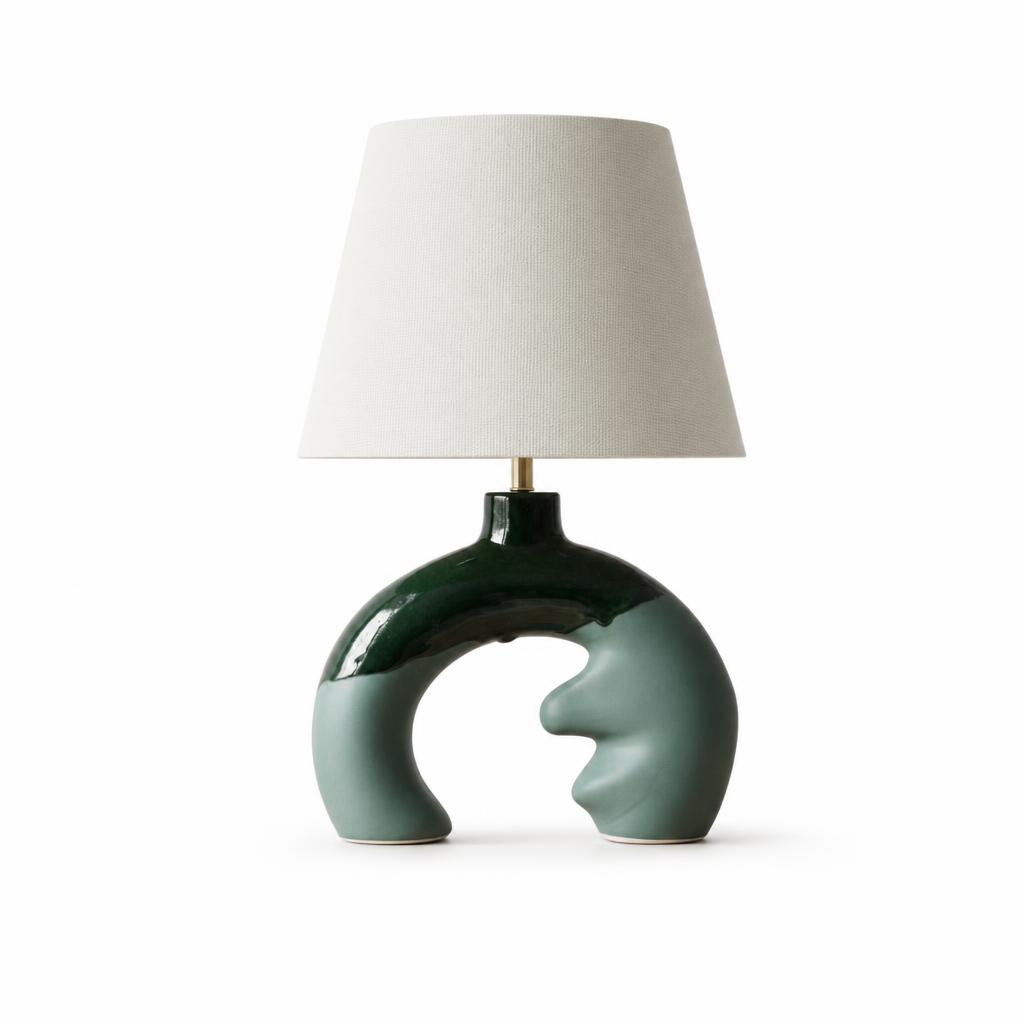
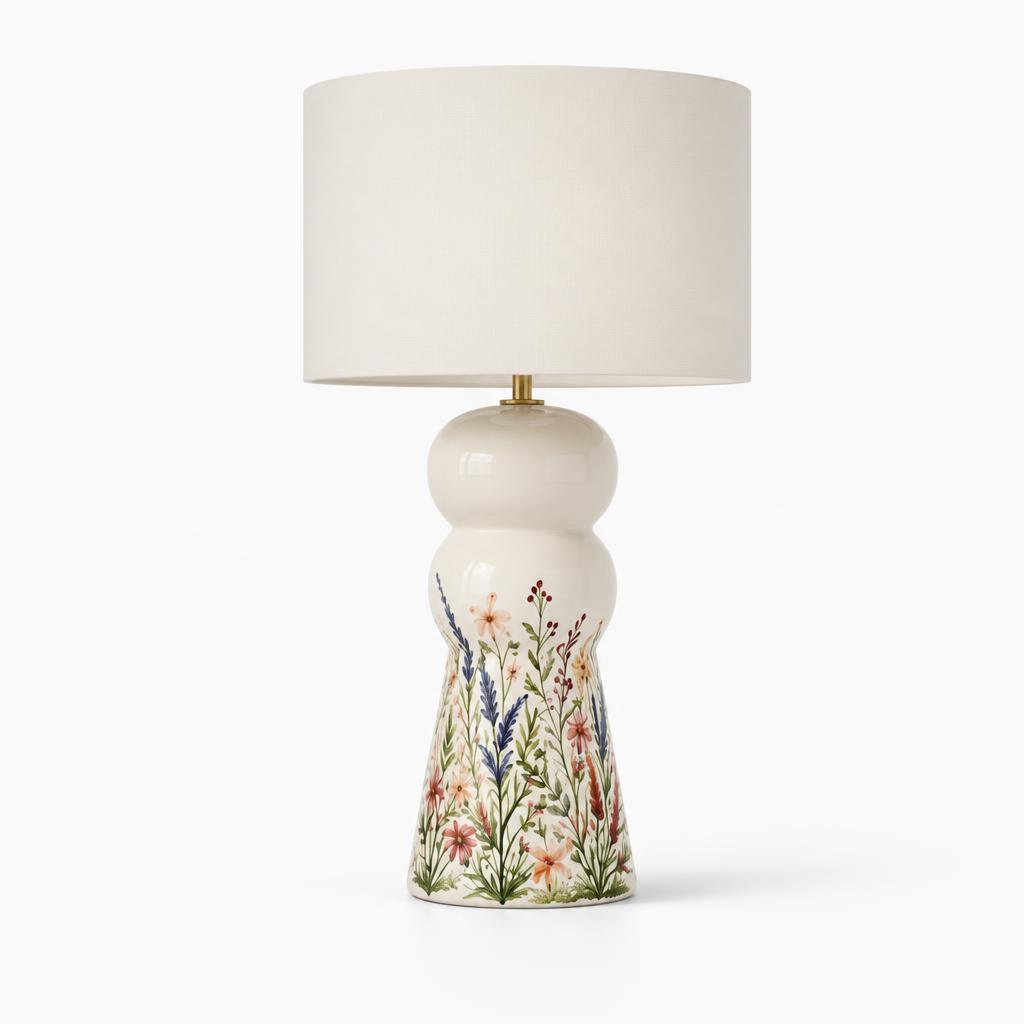
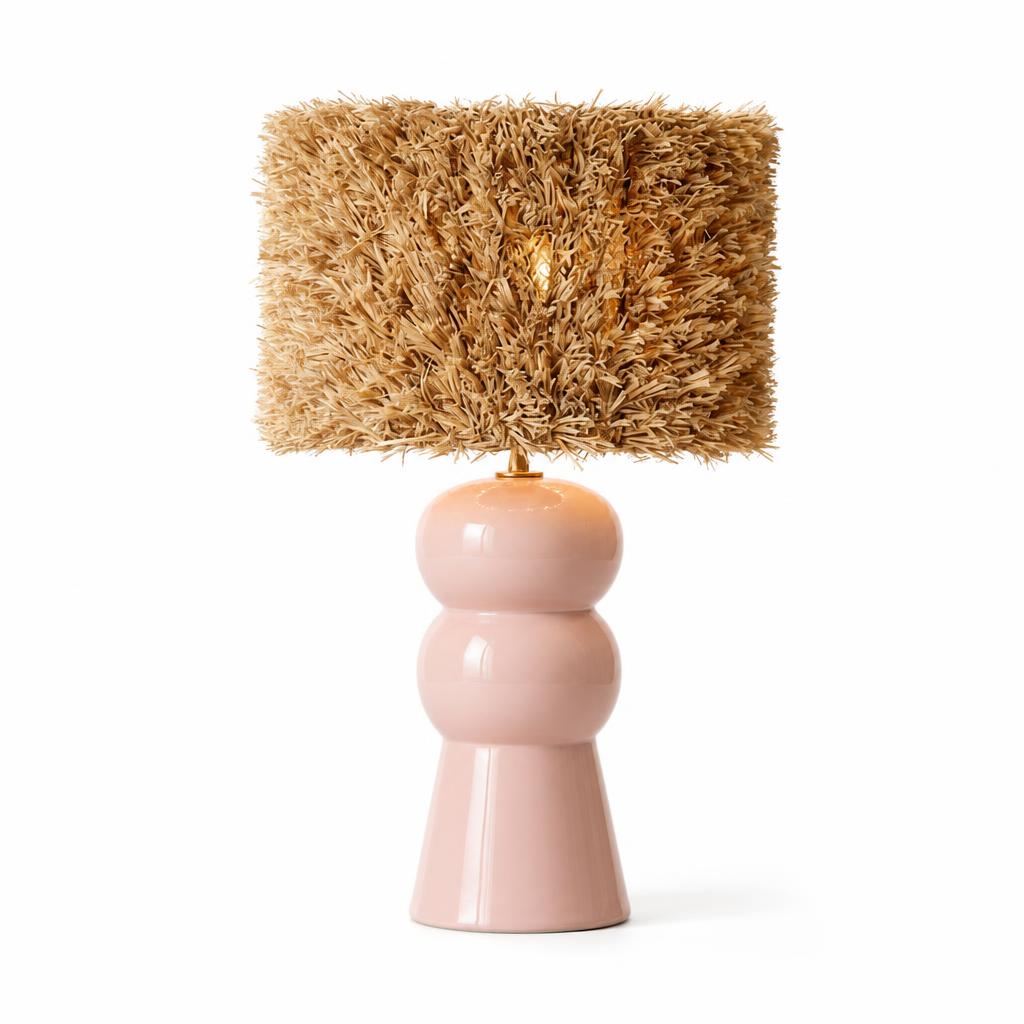
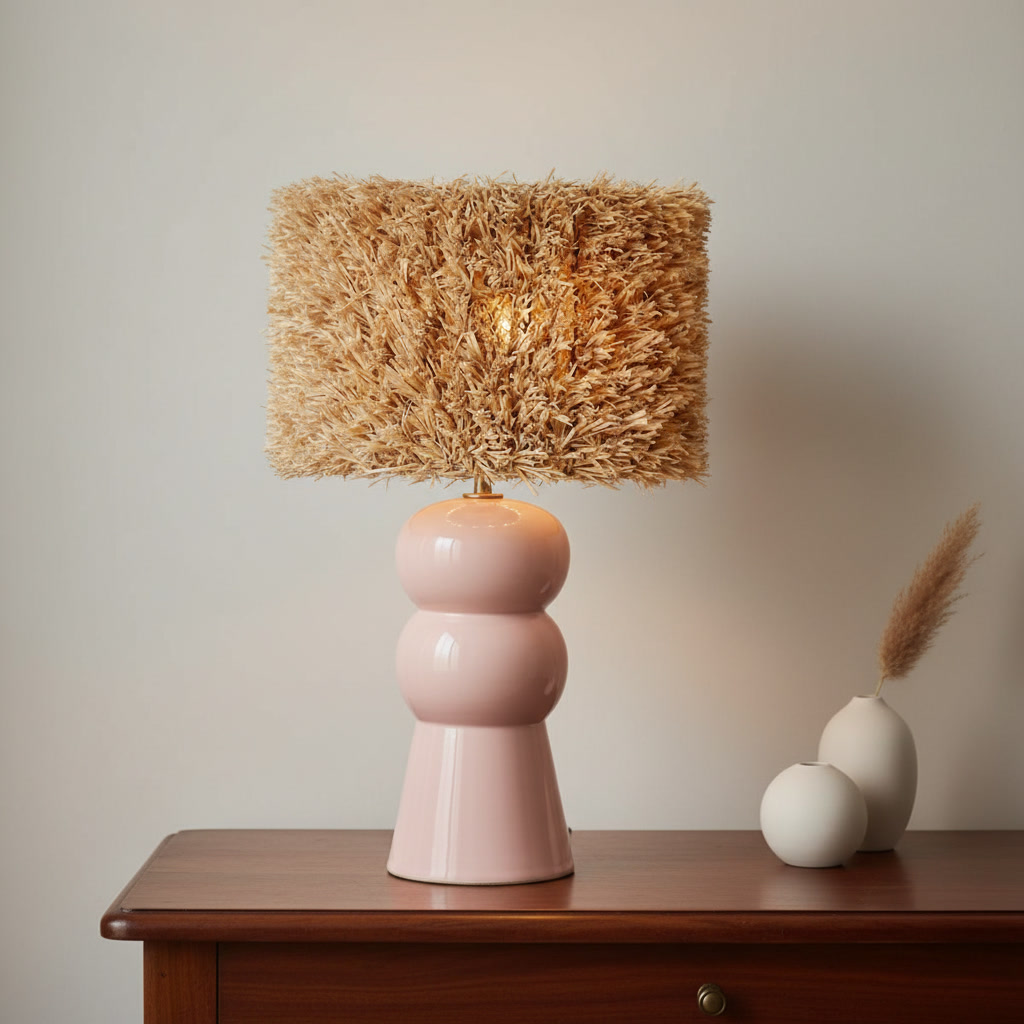
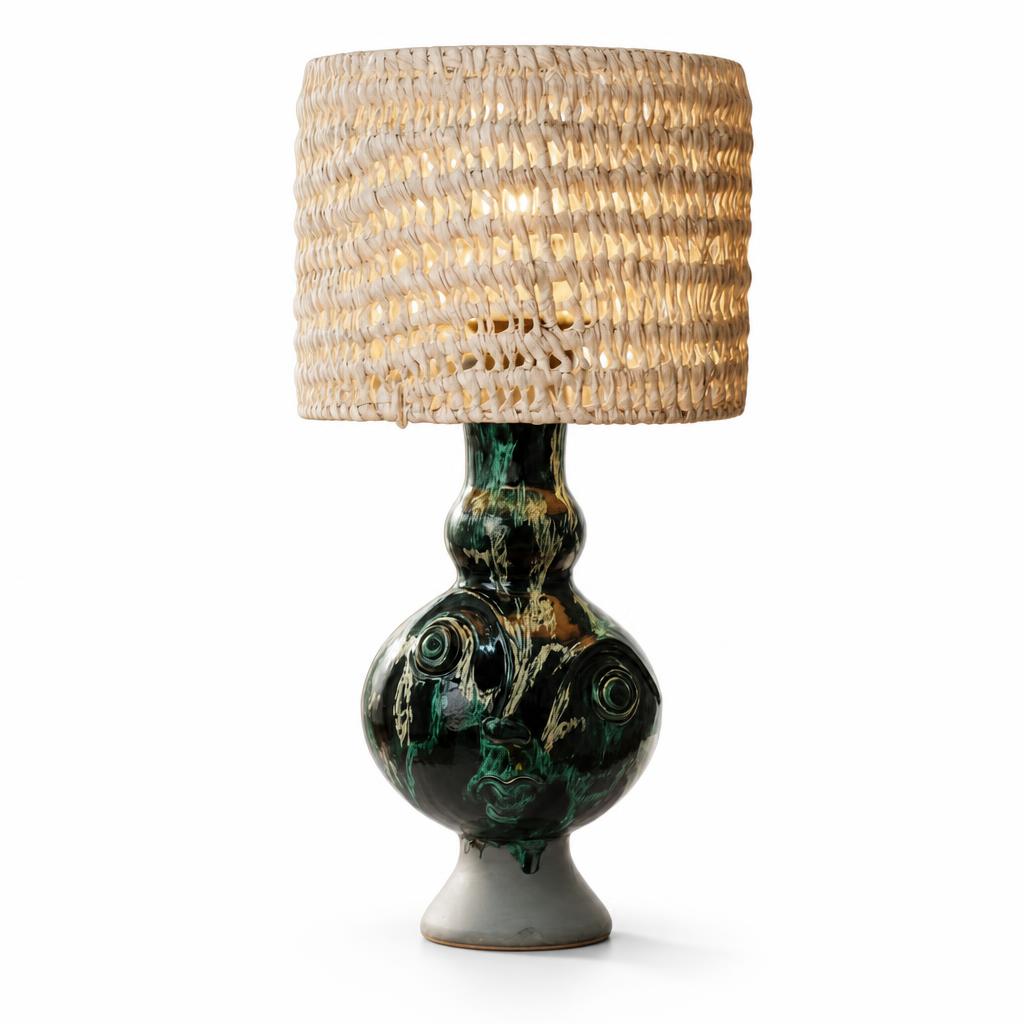
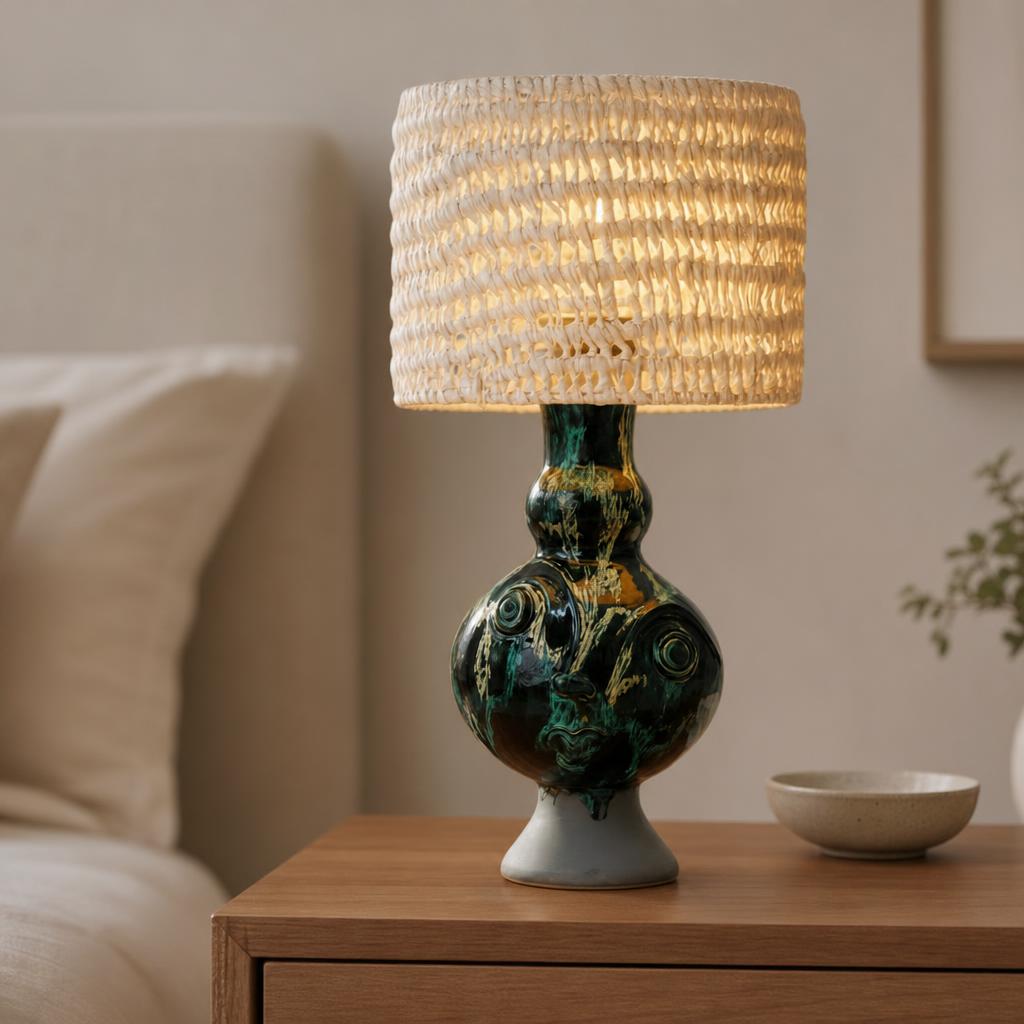
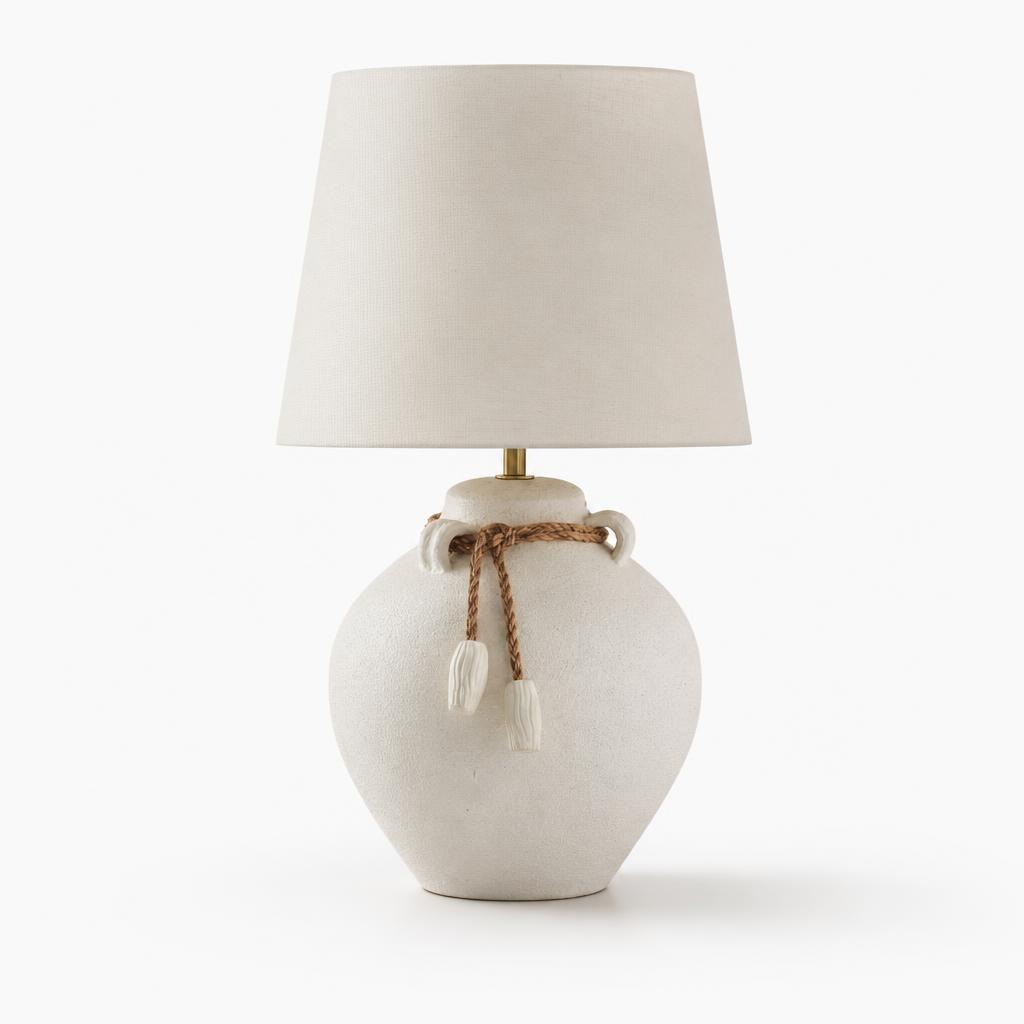
A curated selection of our most loved ceramic lamps — chosen for their timeless design and unique character.
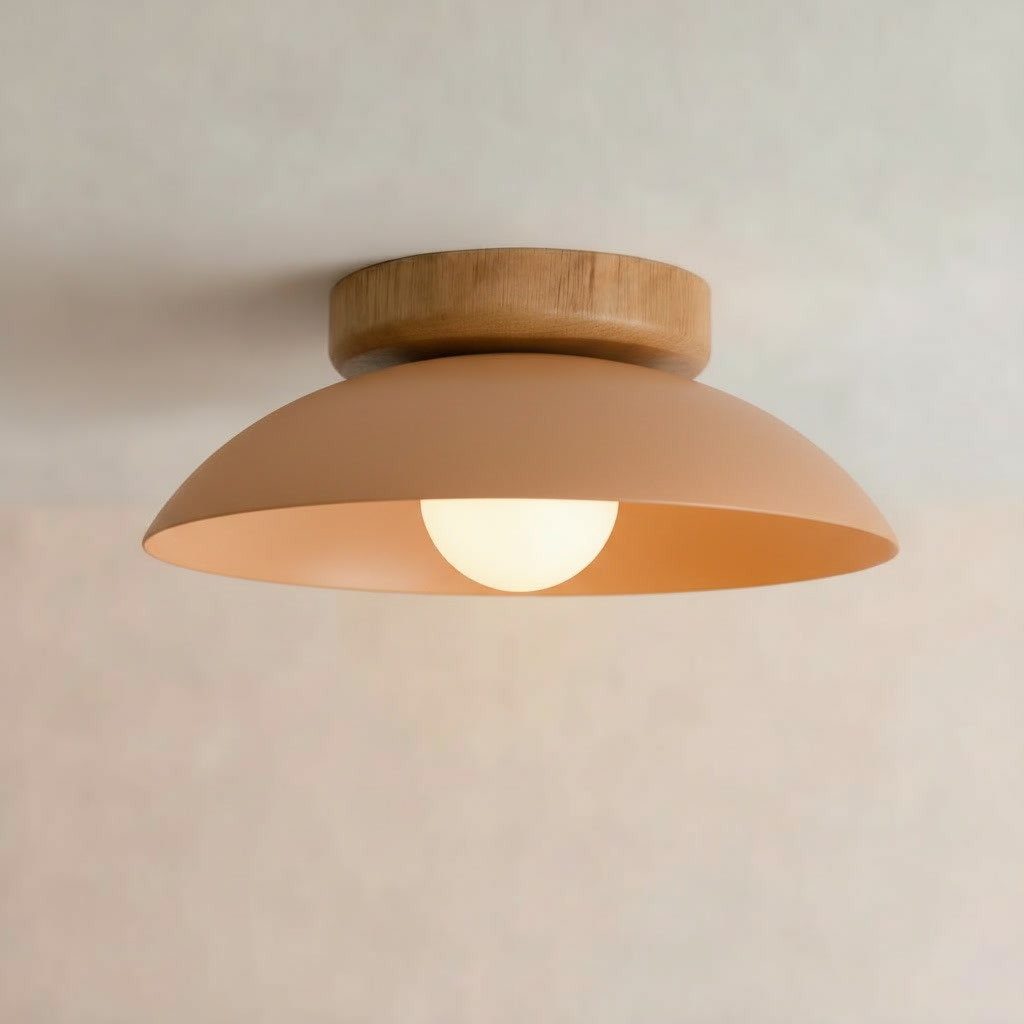
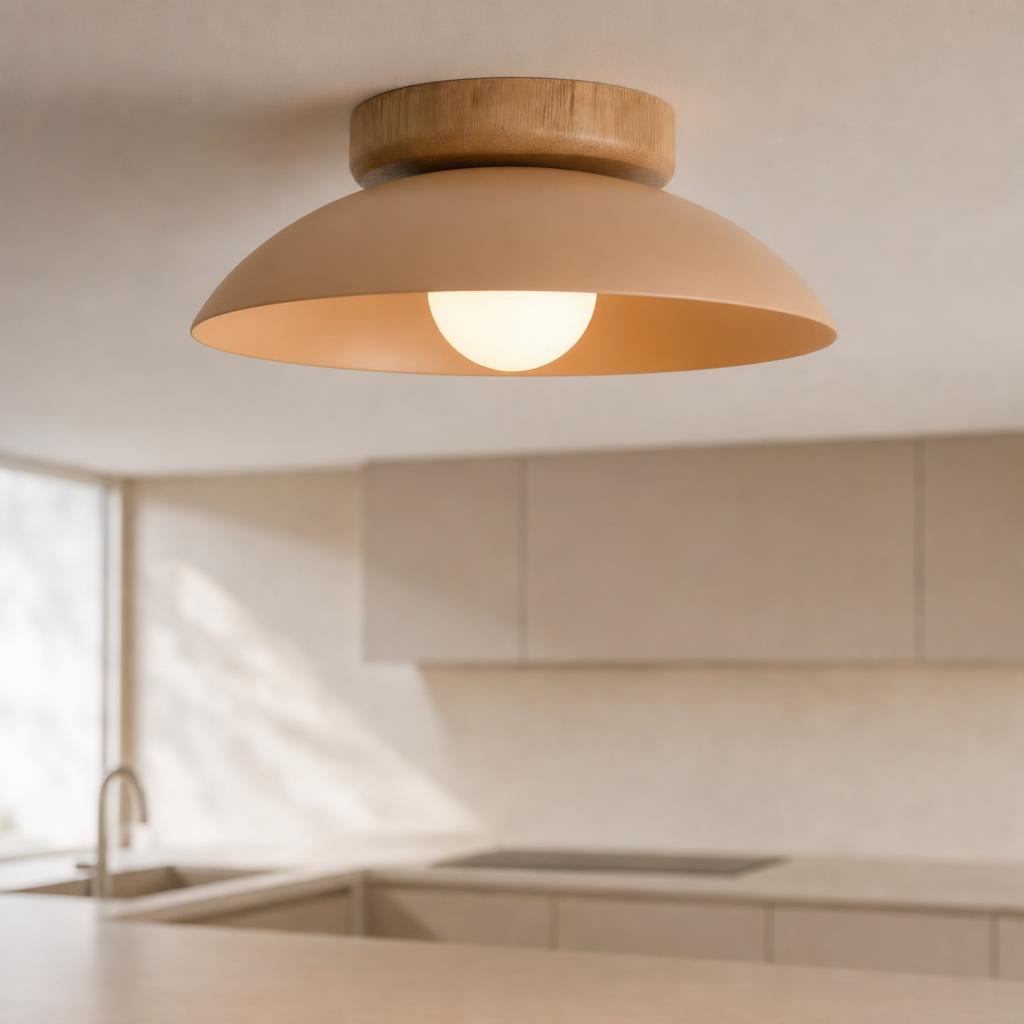
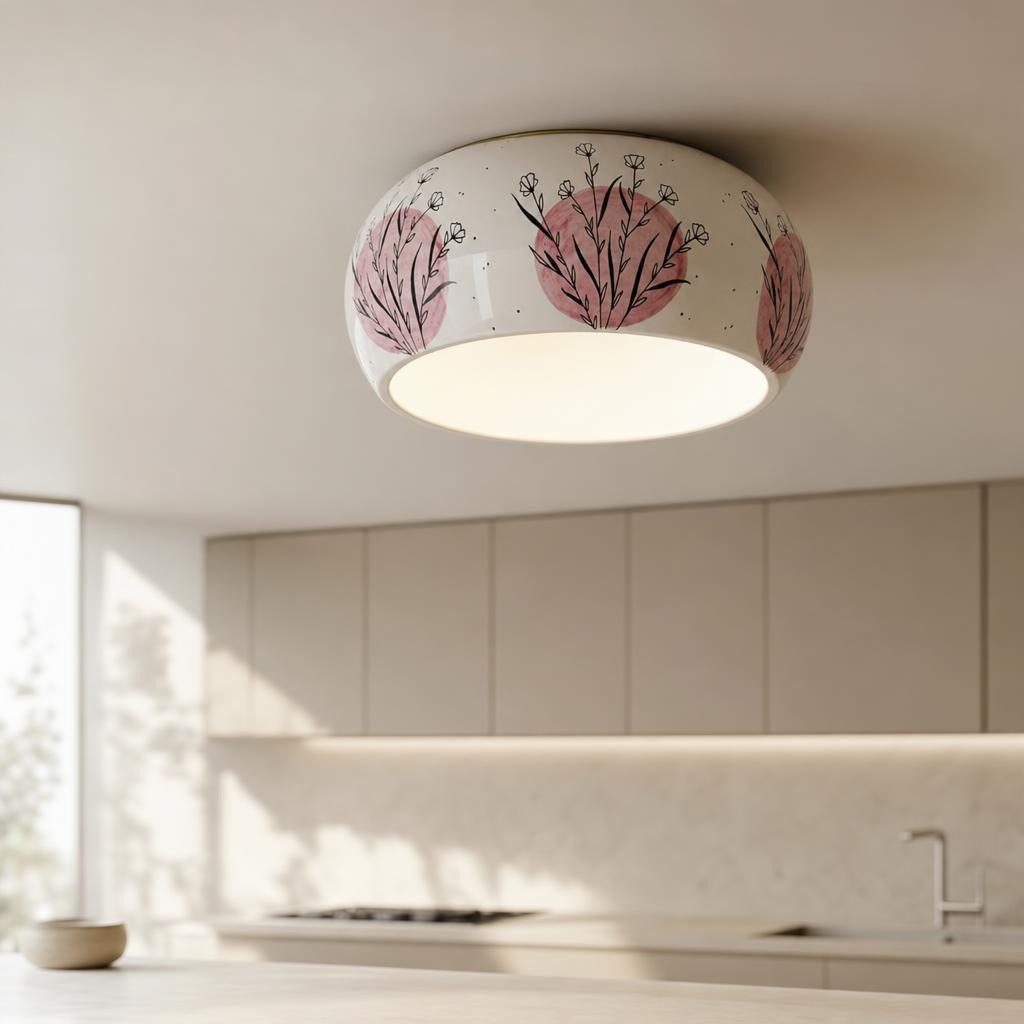
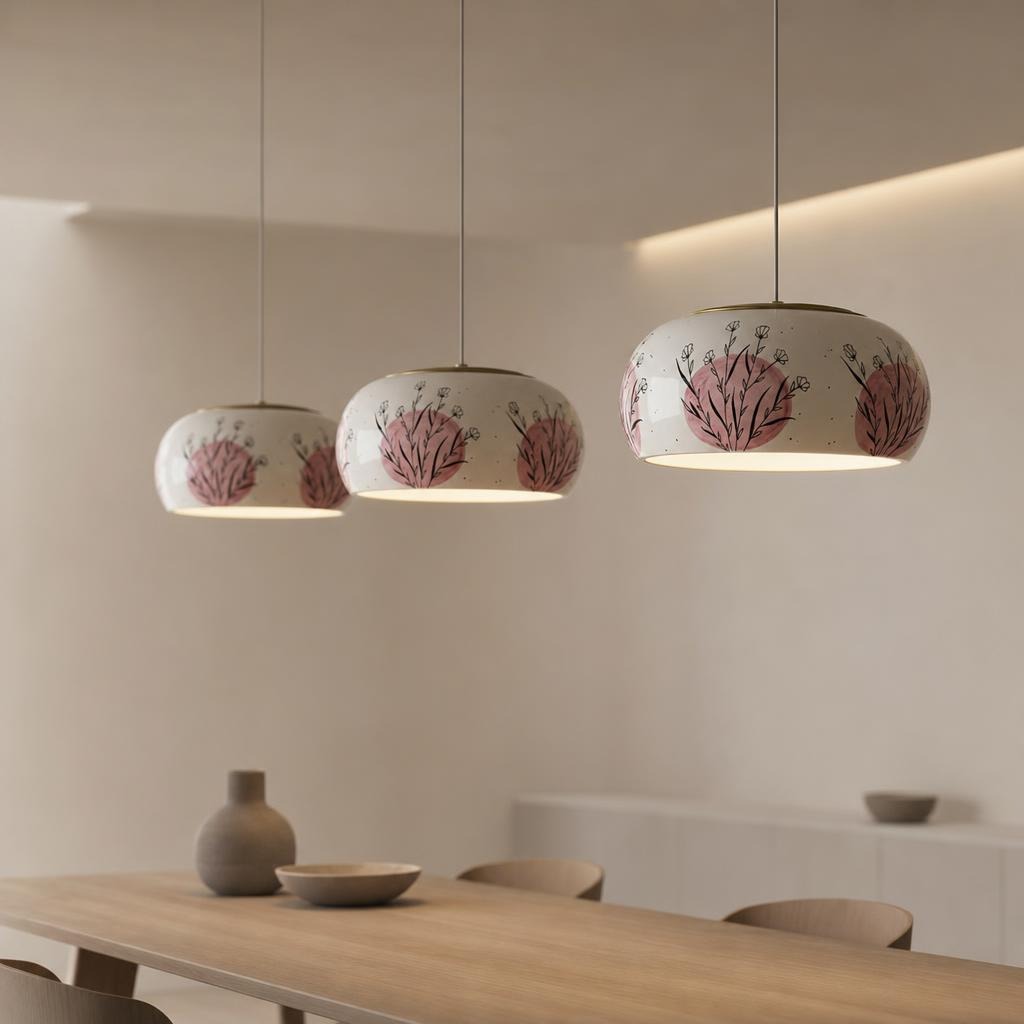
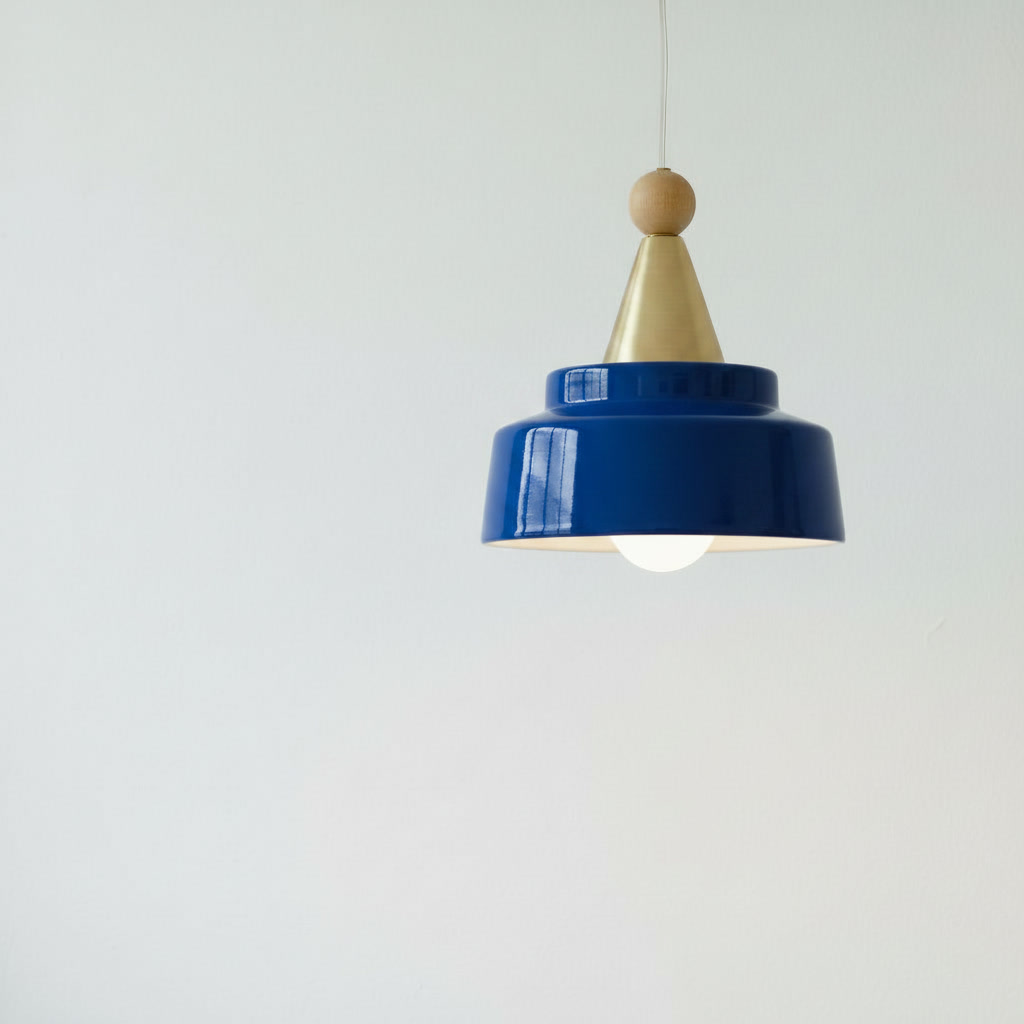
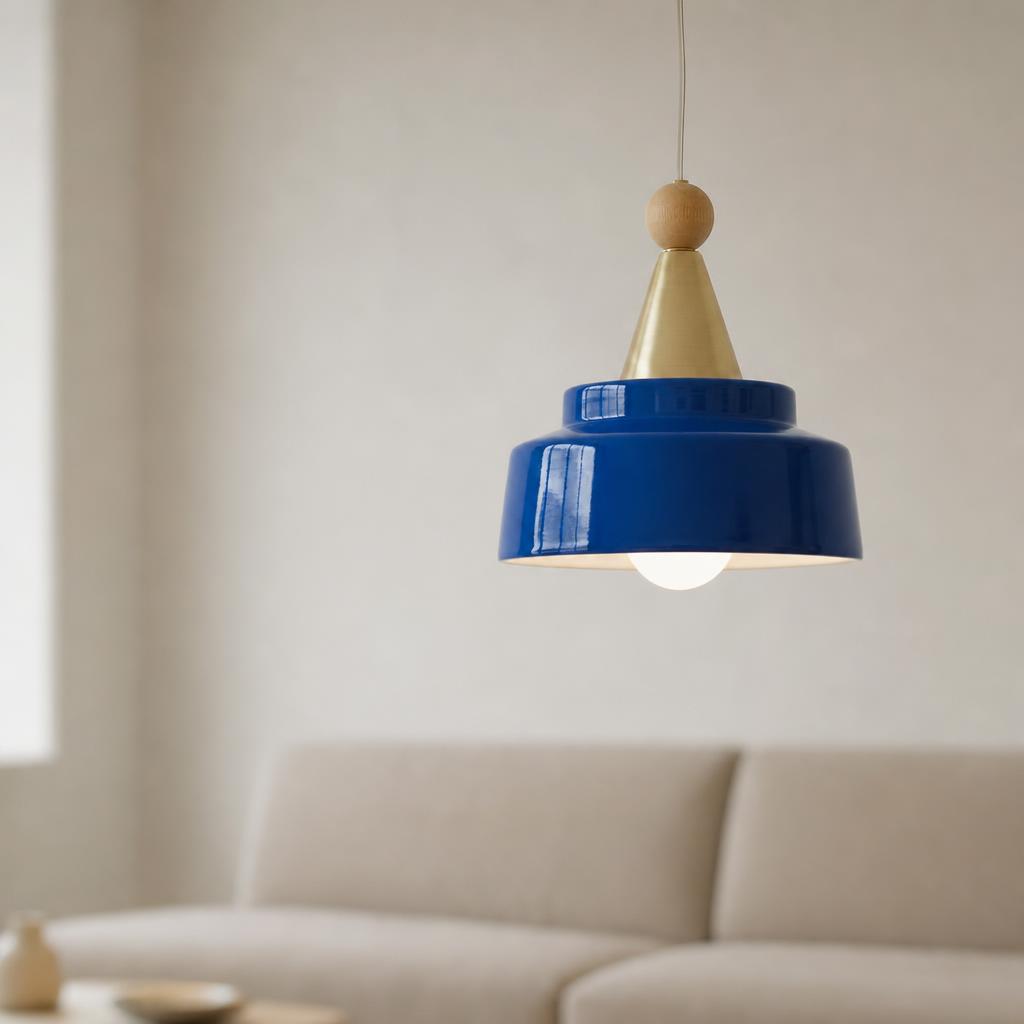
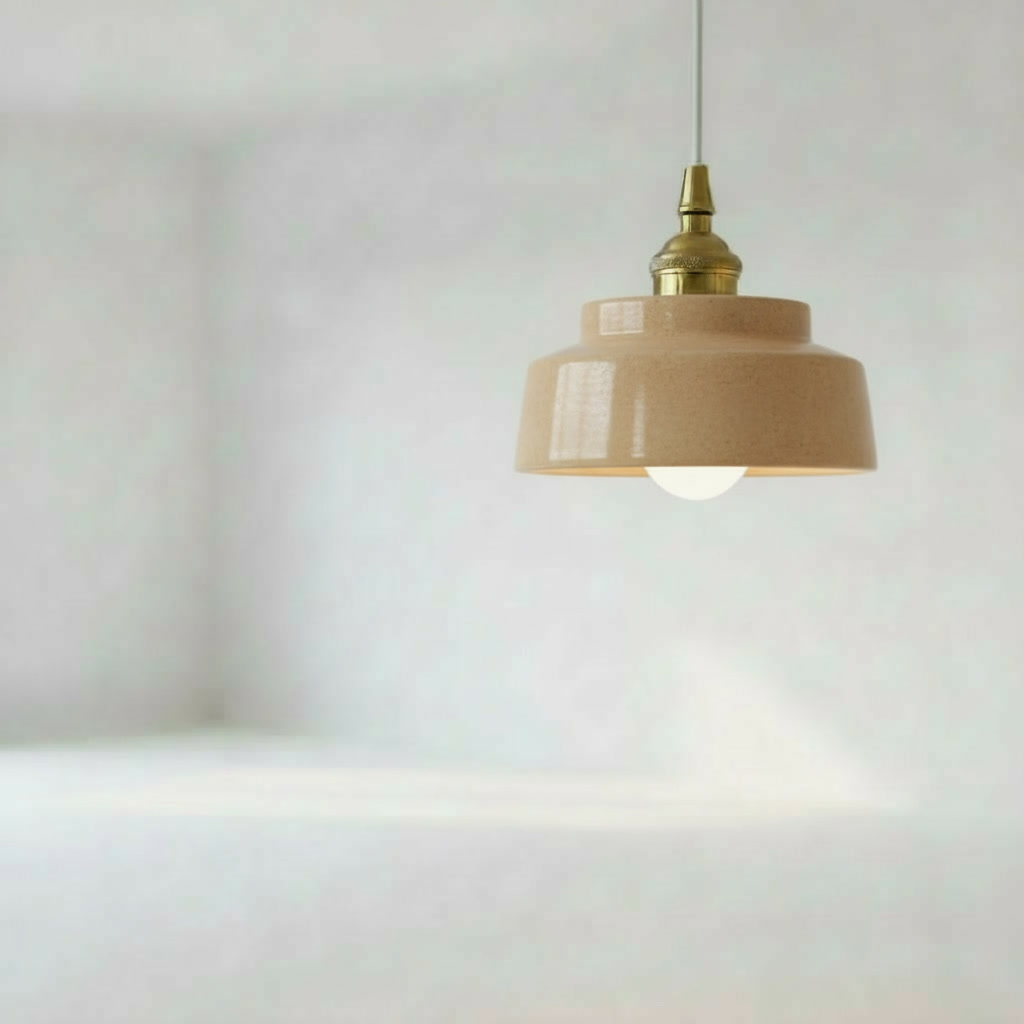
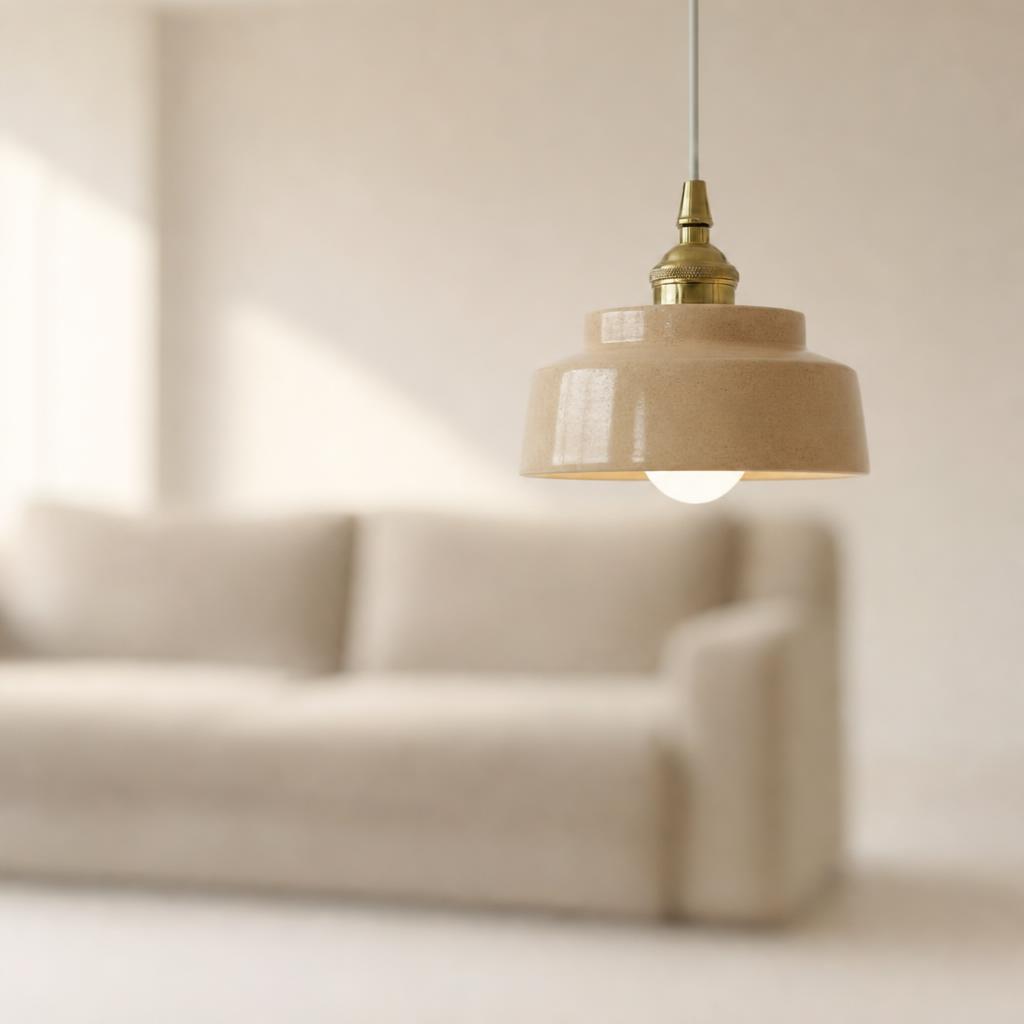
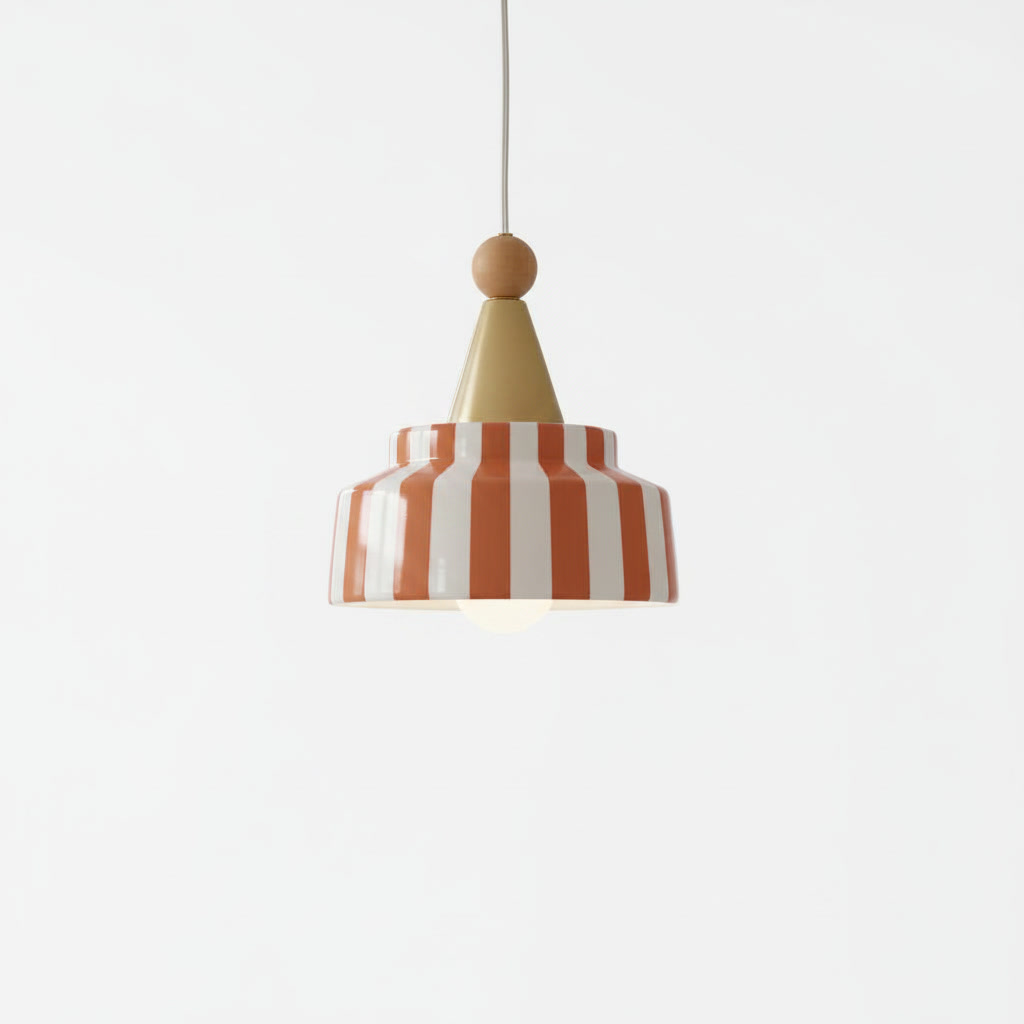
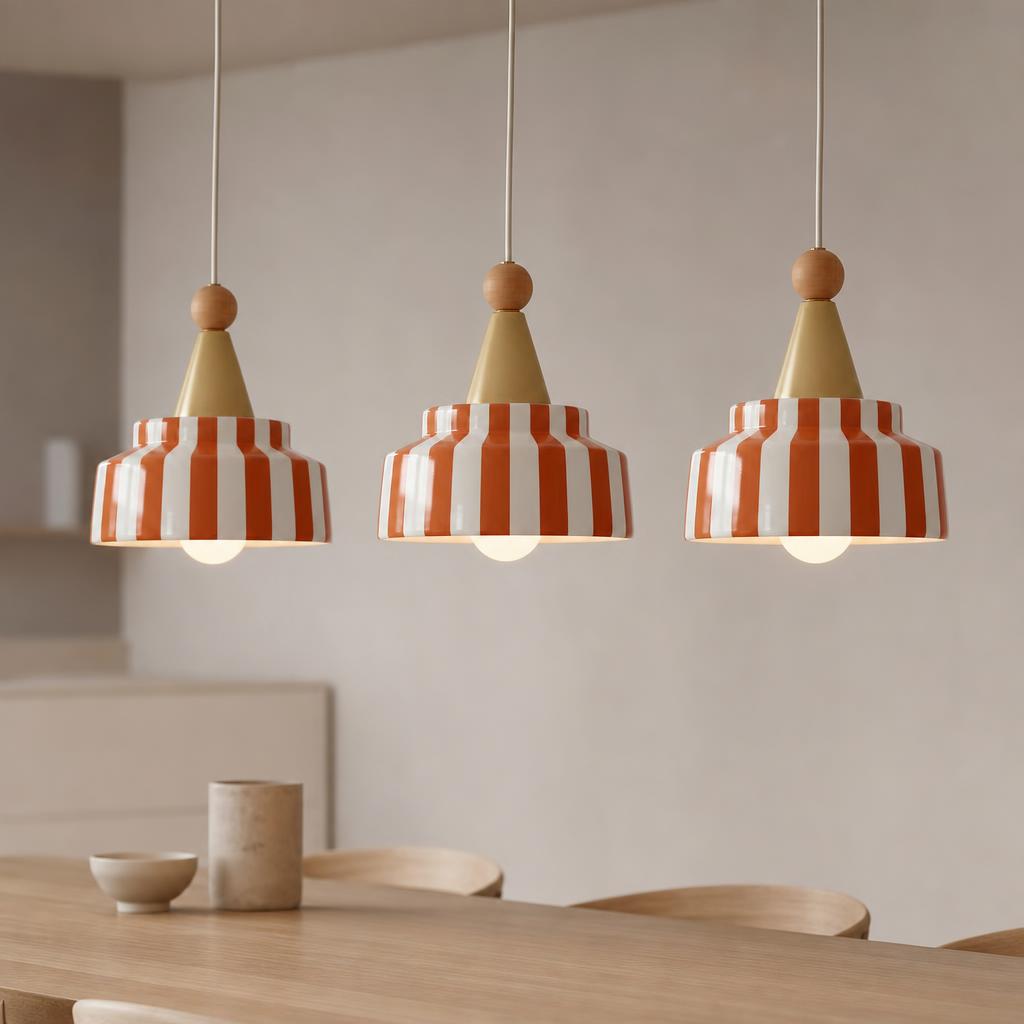
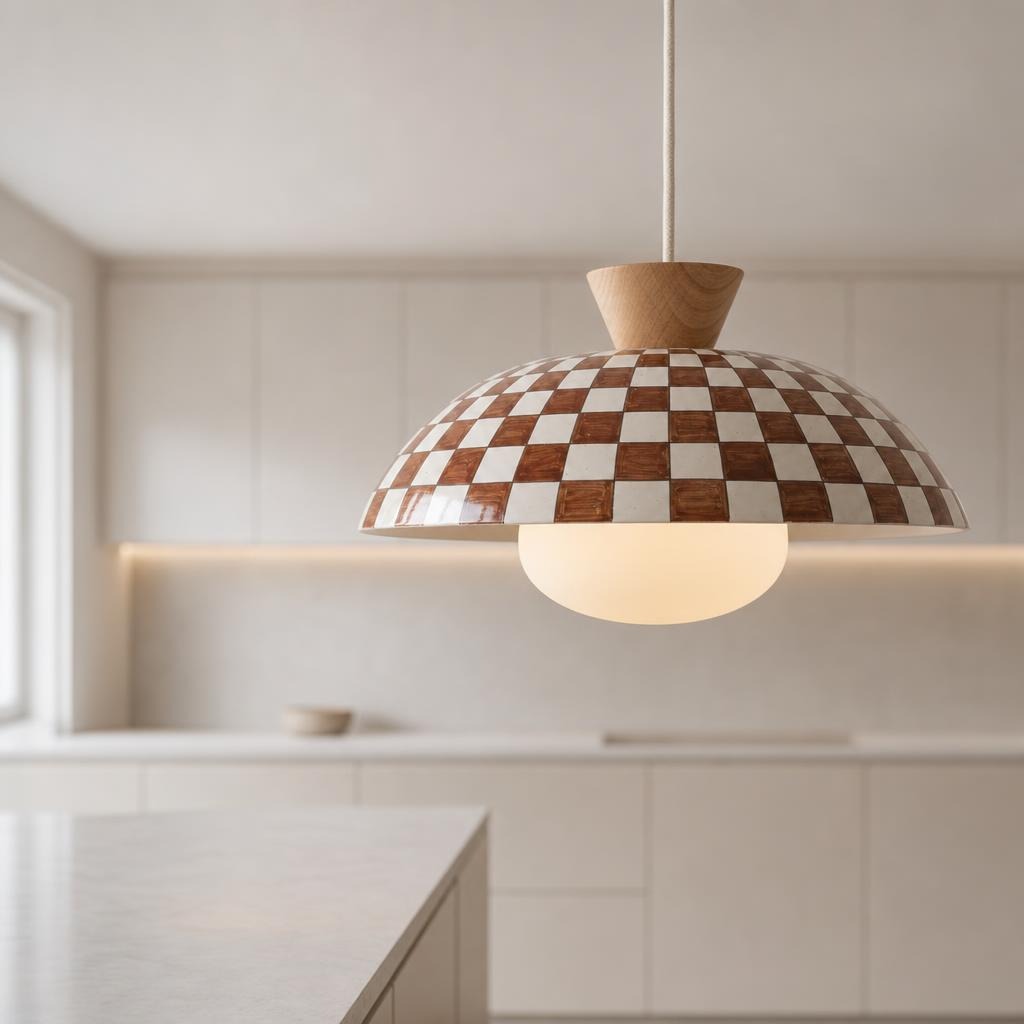
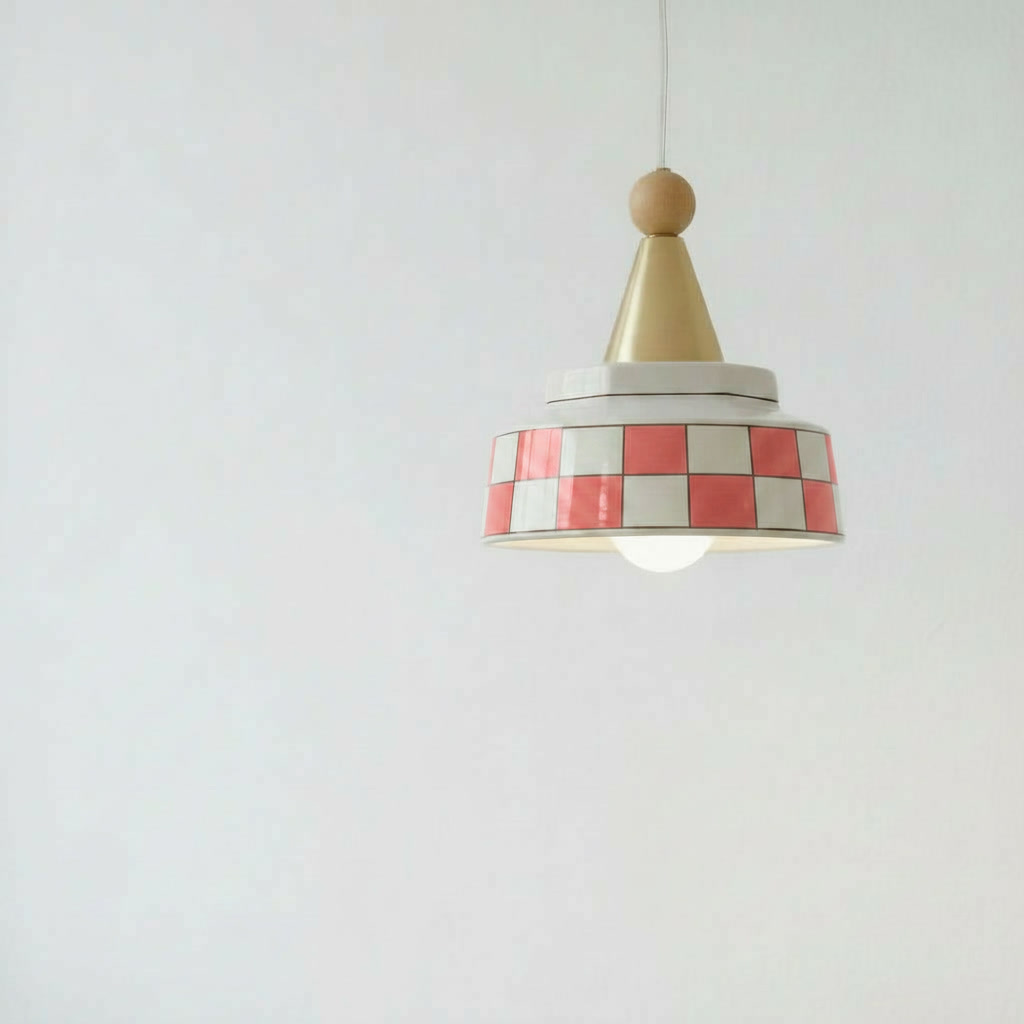
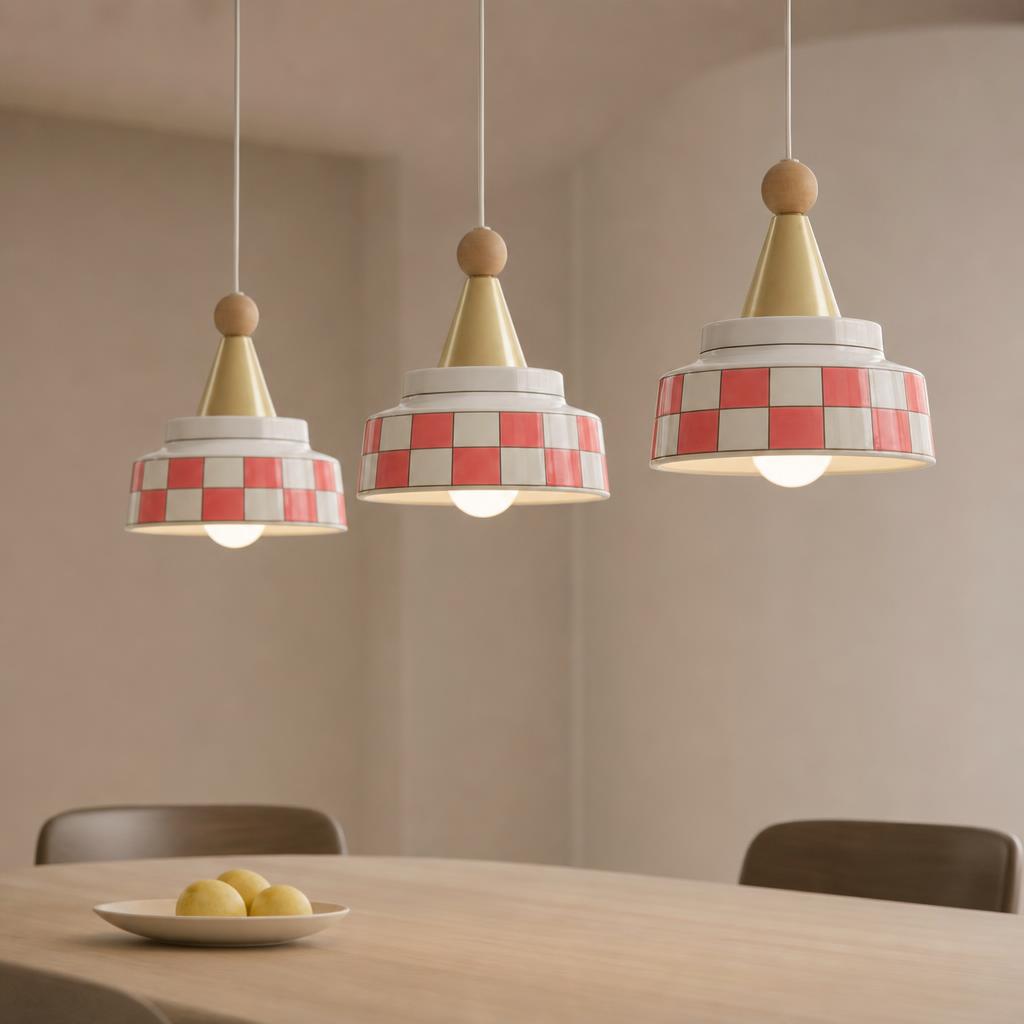
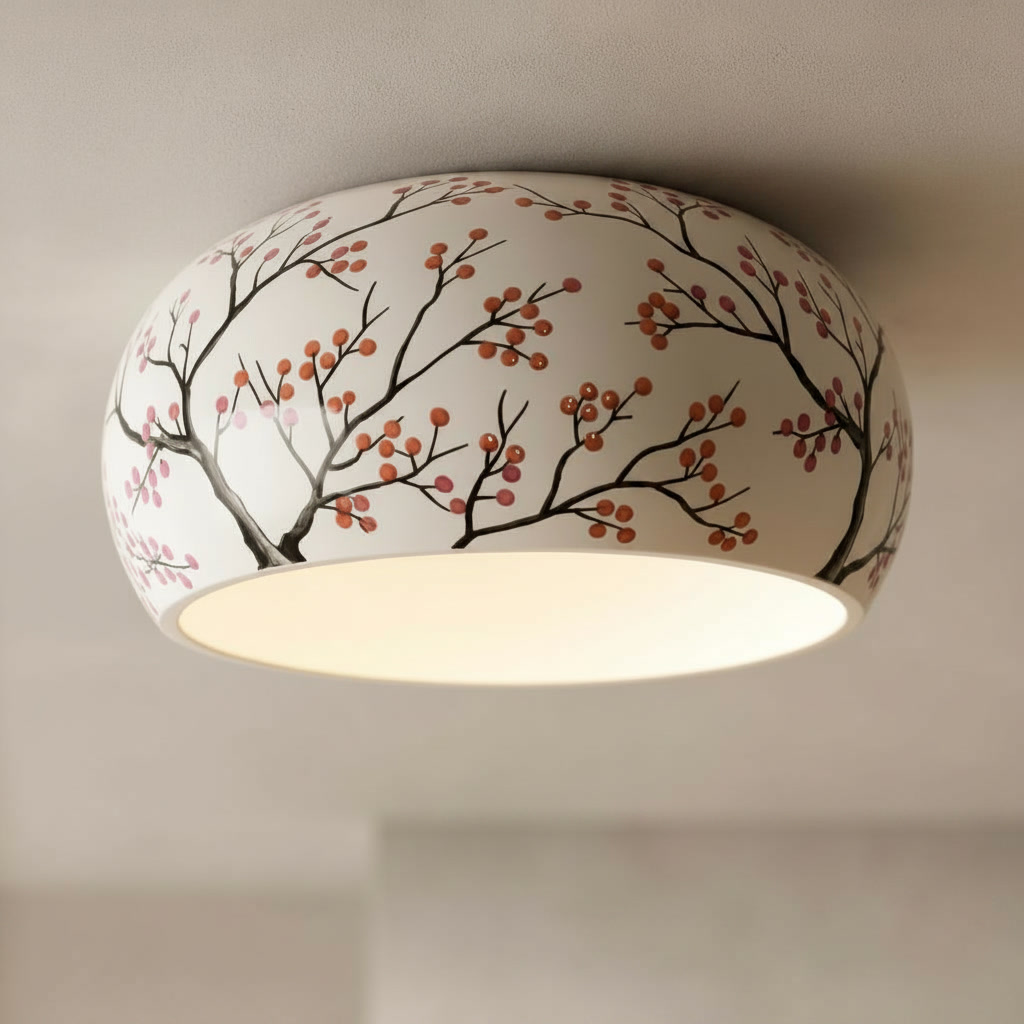
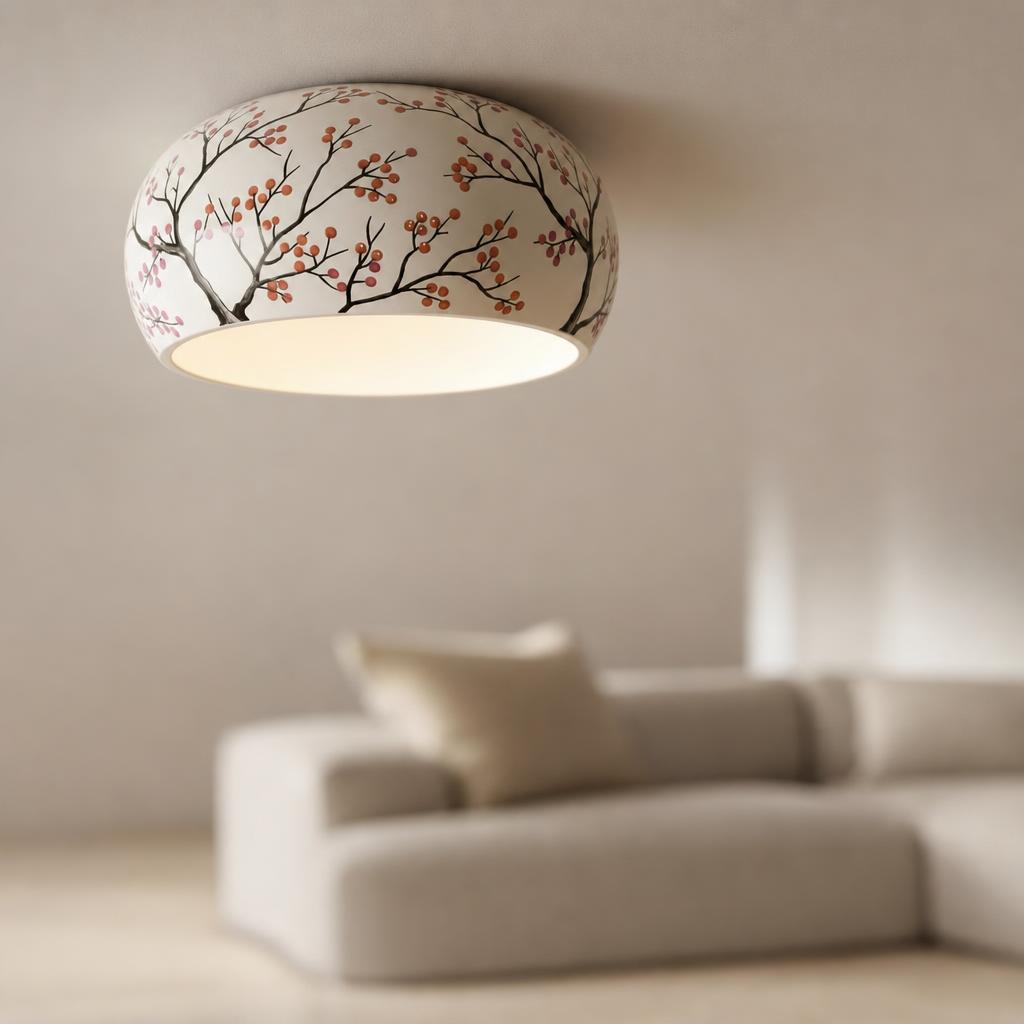
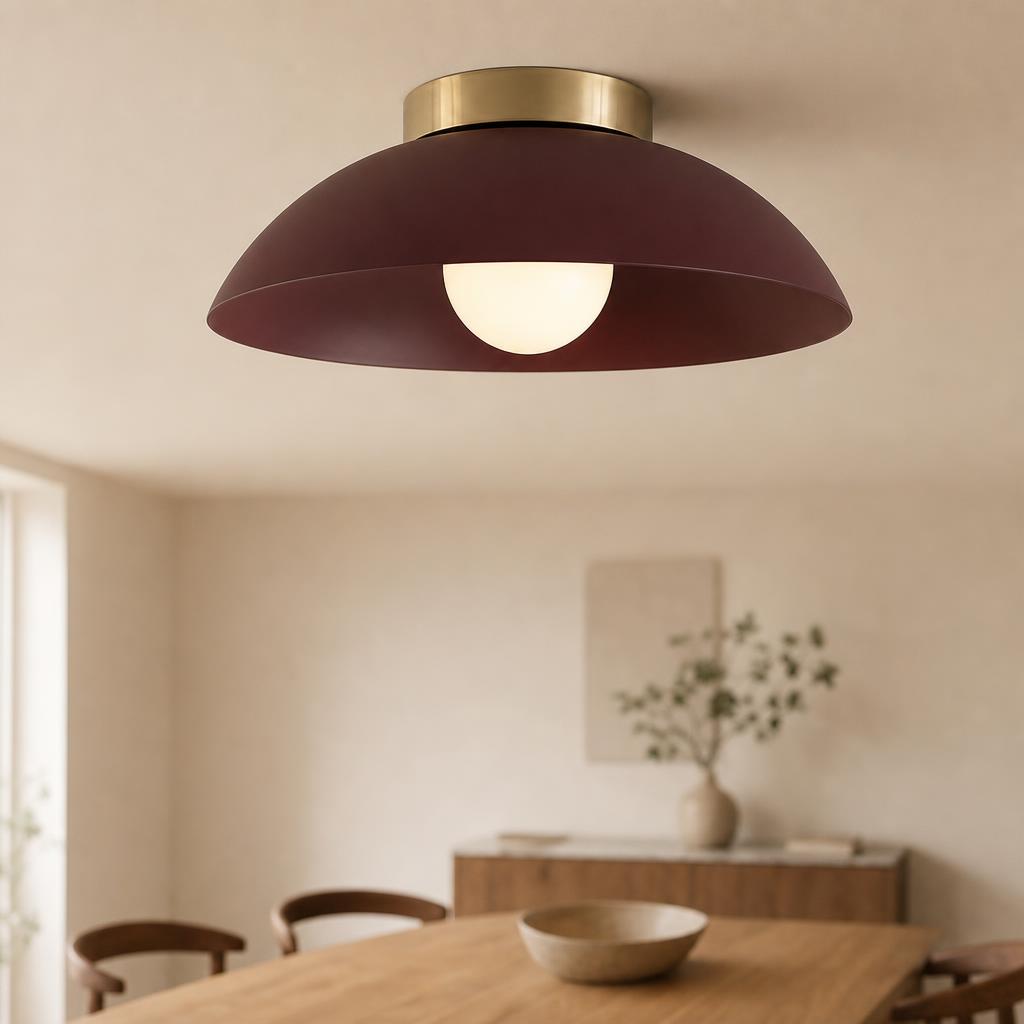
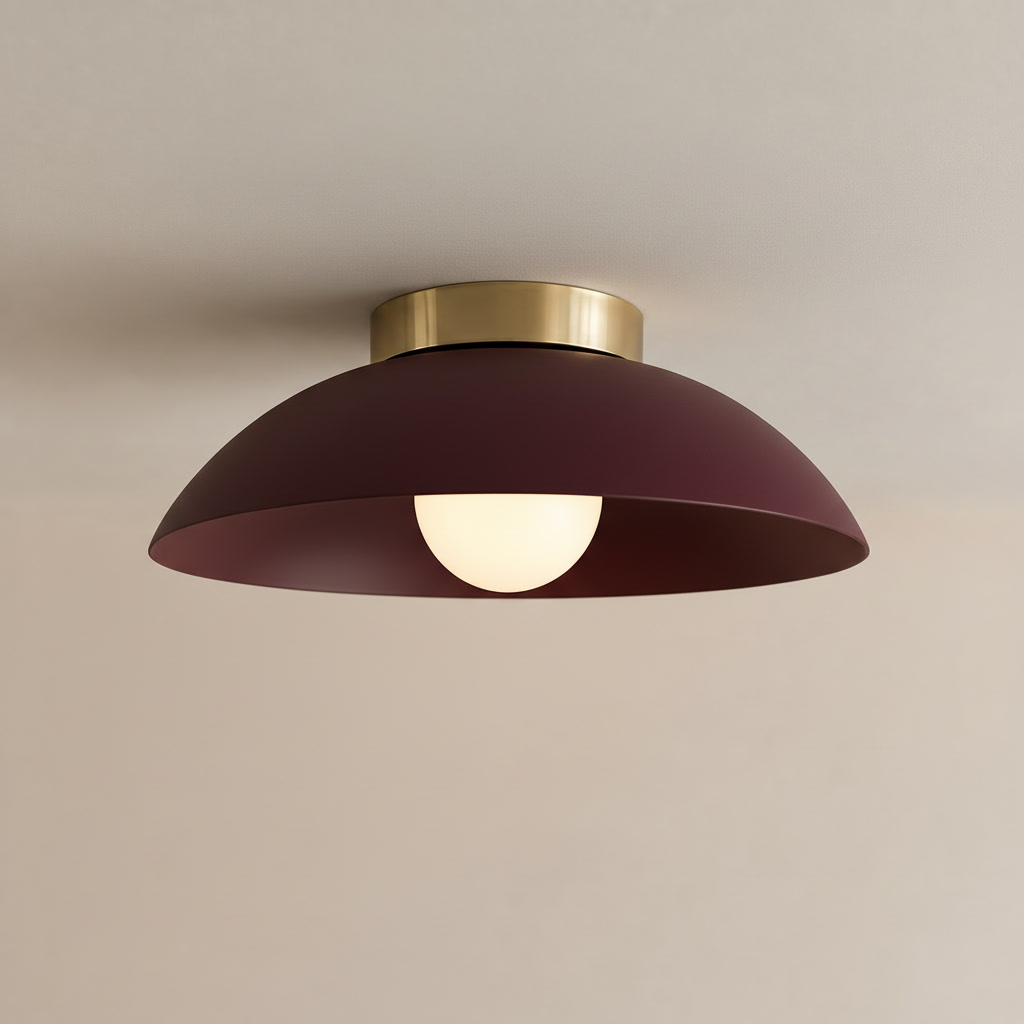
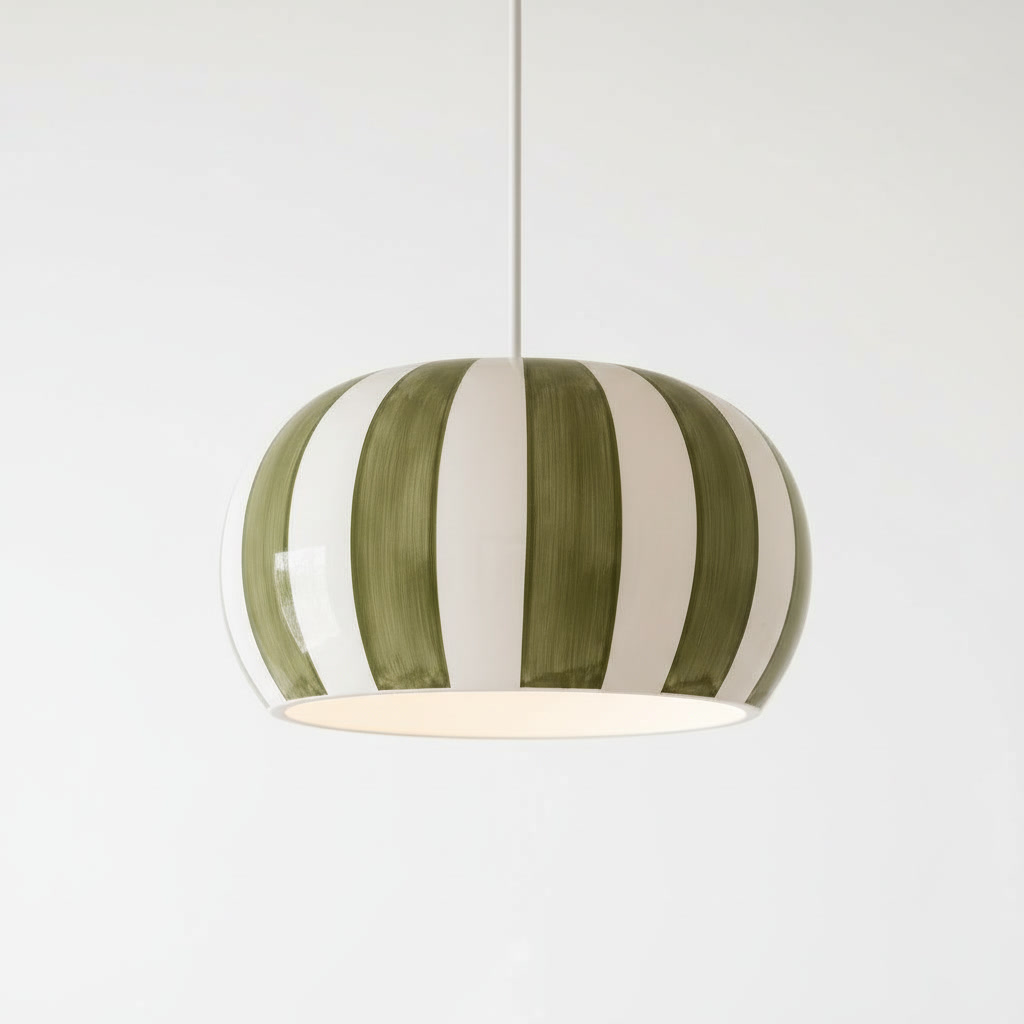
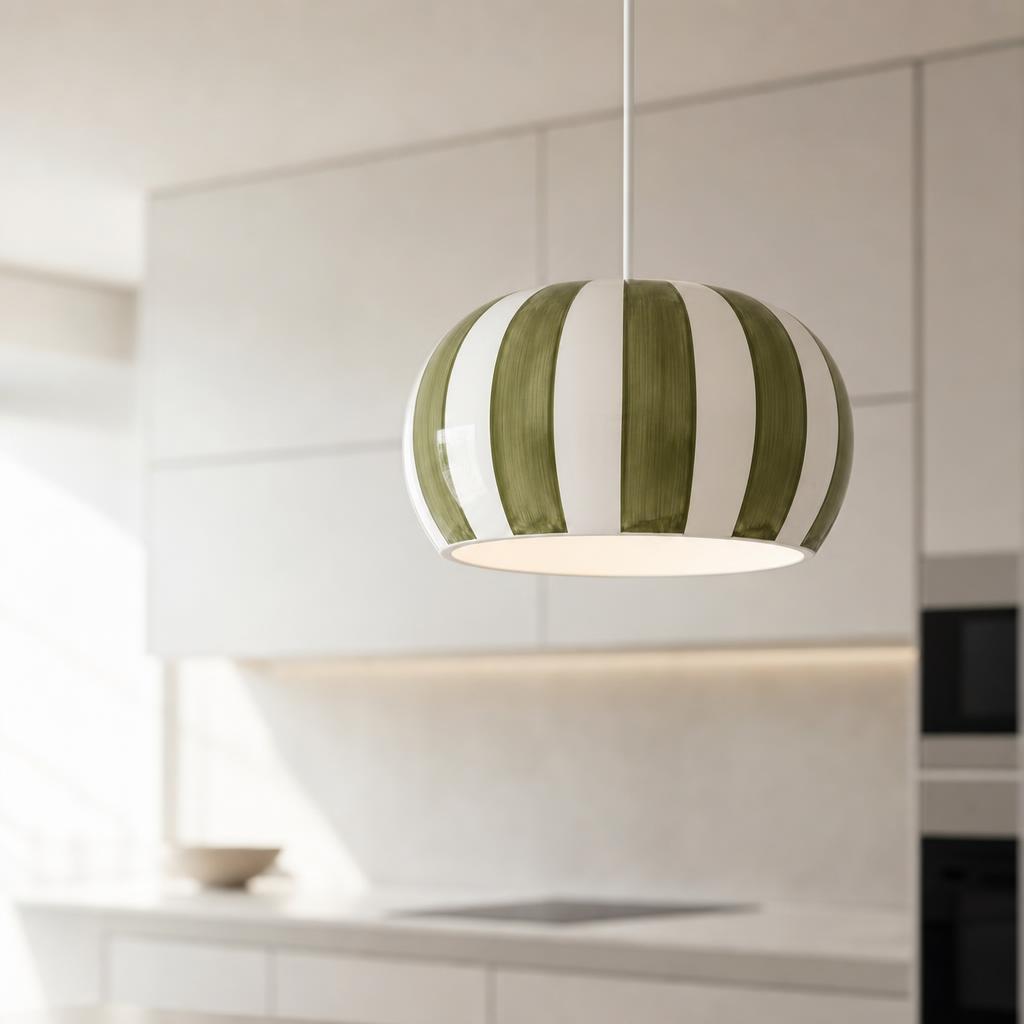
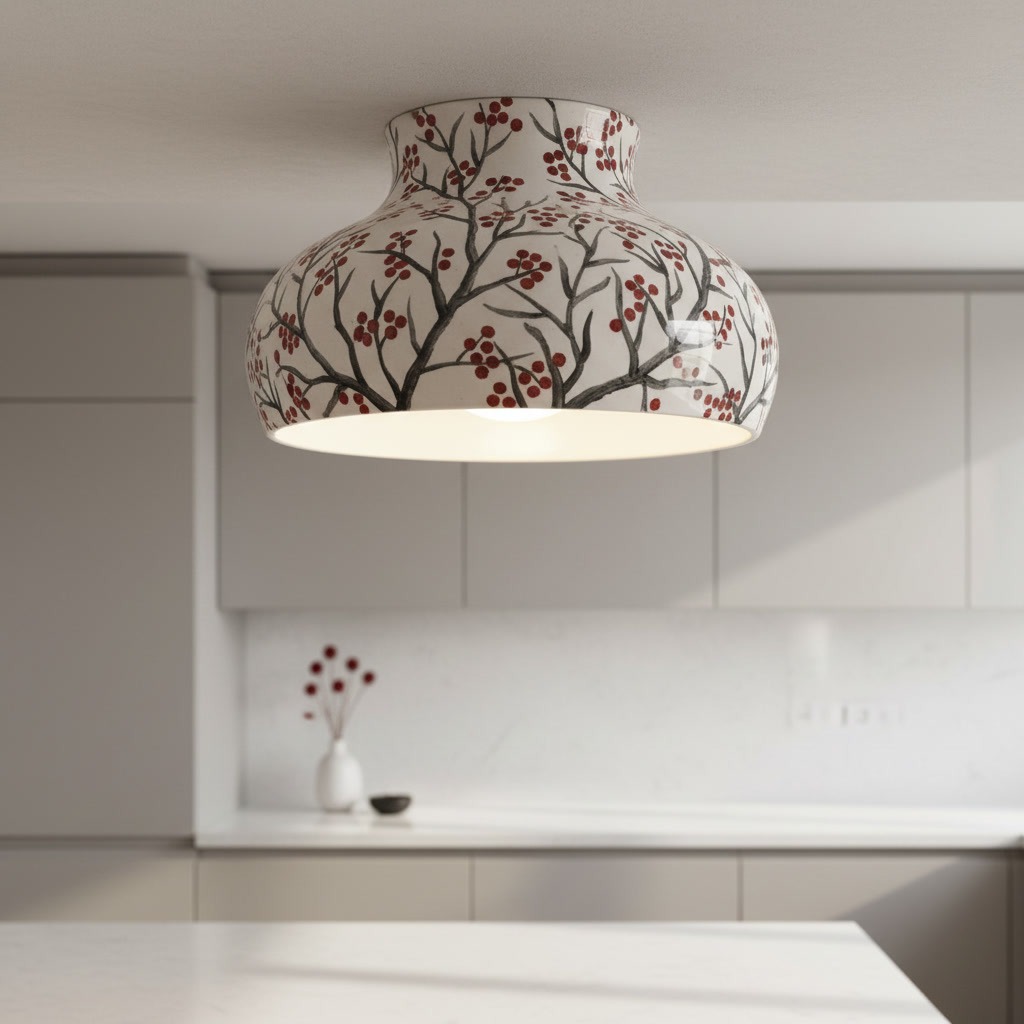
Ceramic pendant lights create a focal point above kitchen islands and dining tables while adding material warmth to contemporary interiors.
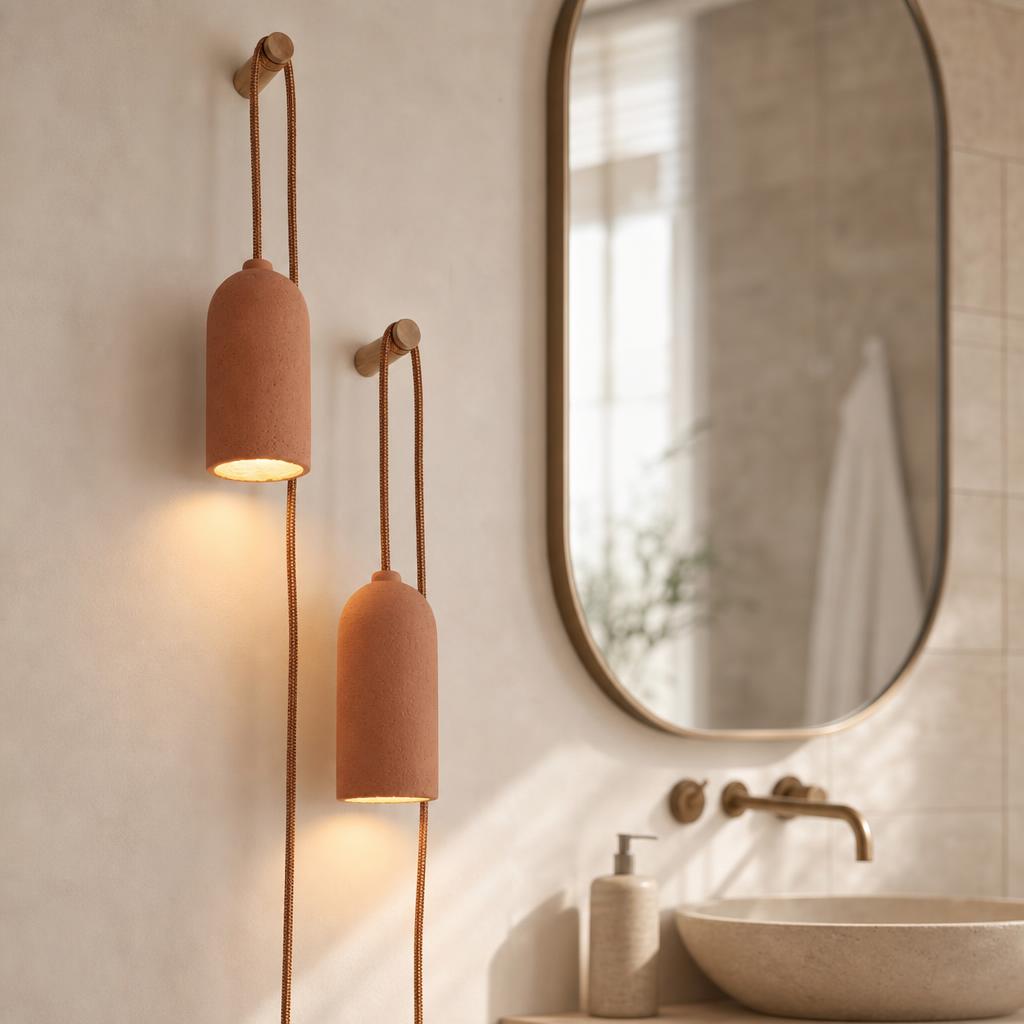
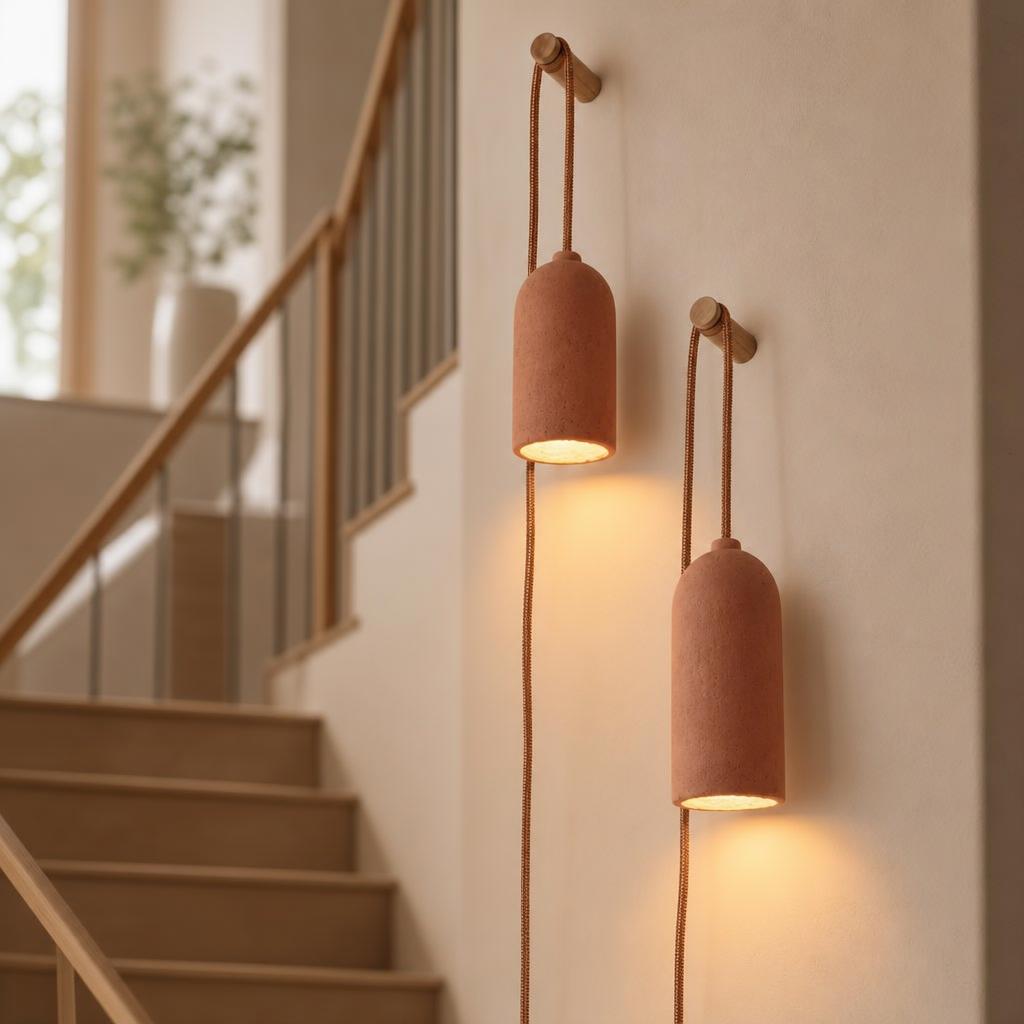
Ceramic wall sconces add light without taking up furniture space. Use them alone, in pairs or repeated through hallways and living spaces.
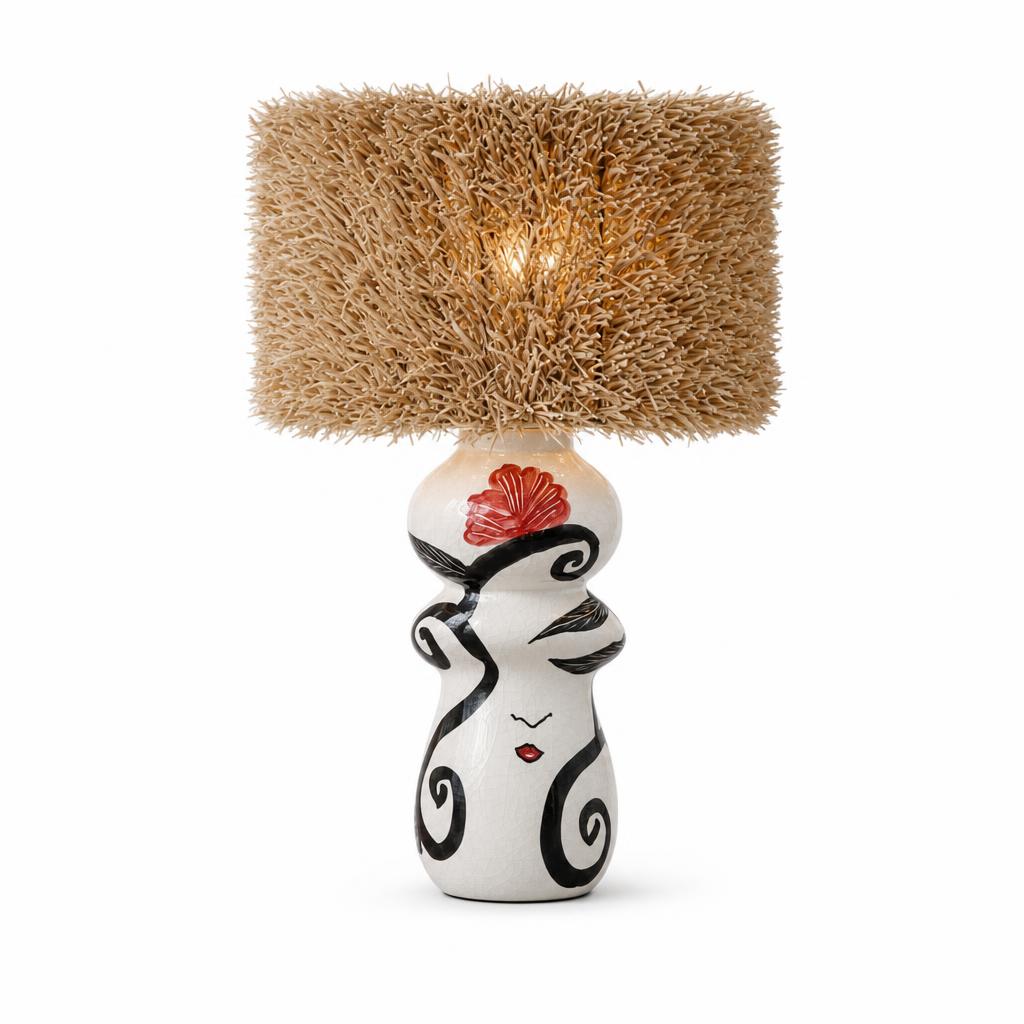
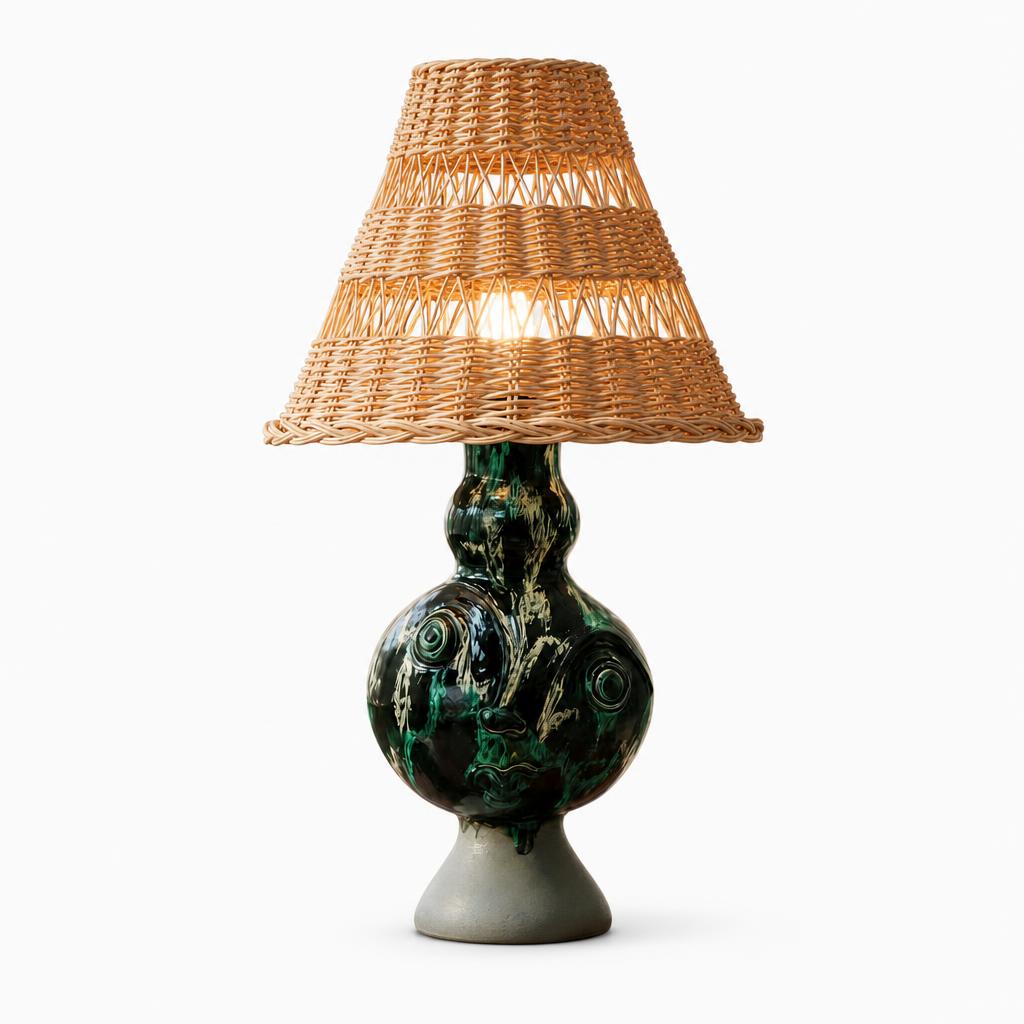
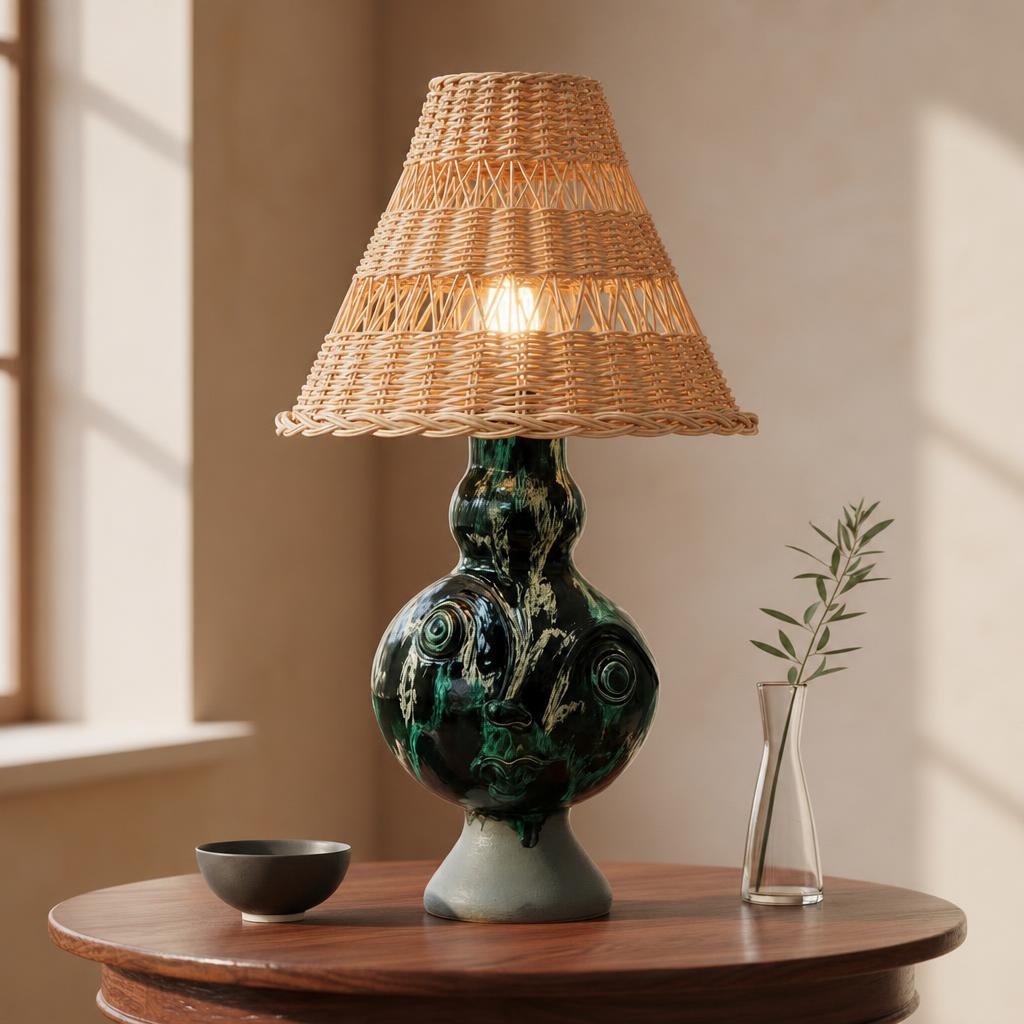
Ceramic brings texture, warmth and character before the light is even switched on. Glaze, painted detail and sculptural form make each piece feel considered from every angle.
Material, form and illumination in considered balance.
Pieces that elevate any interior.
Unique textures and finishes.
Earthy, authentic and lasting.
Soft, inviting light for modern living.
Our ceramic lamps draw inspiration from natural forms and contemporary interiors. Considered silhouettes, tactile finishes and expressive color bring warmth and character to the everyday spaces where life unfolds.
Find the perfect ceramic lighting for every space in your home.
Ceramic lamps bring light and sculpture into the same object. Their grounded materiality softens modern rooms, while expressive glazes, painted surfaces and dimensional silhouettes give an interior a distinctive point of view.
Unlike lighting that disappears into the architecture, ceramic lighting can become part of the visual language of a room. A table lamp adds a tactile shape at eye level. A pendant creates a focal point overhead. A wall sconce introduces pattern, color and directional light without occupying a tabletop or floor area. Together, these forms can make a contemporary space feel collected rather than overly coordinated.
Ceramic is especially effective in interiors built around natural materials. Its matte, glossy, painted or subtly irregular surface sits comfortably beside plaster, timber, linen, stone and metal. In a restrained room, a saturated cobalt glaze can supply a decisive accent. In a layered space, earthy clay and warm neutrals can connect surrounding materials without competing with them.
Good lighting is rarely produced by one fixture alone. A practical scheme layers ambient light for general visibility, task light where work happens and accent light for atmosphere. Ceramic lamps can contribute at every level, from pendants over a kitchen island to sconces beside a bed and a low table lamp illuminating a reading corner.
Choose lighting by purpose first, then consider scale, placement, light direction and surface finish. A beautiful lamp works best when its proportions and output support the way the room is actually used.
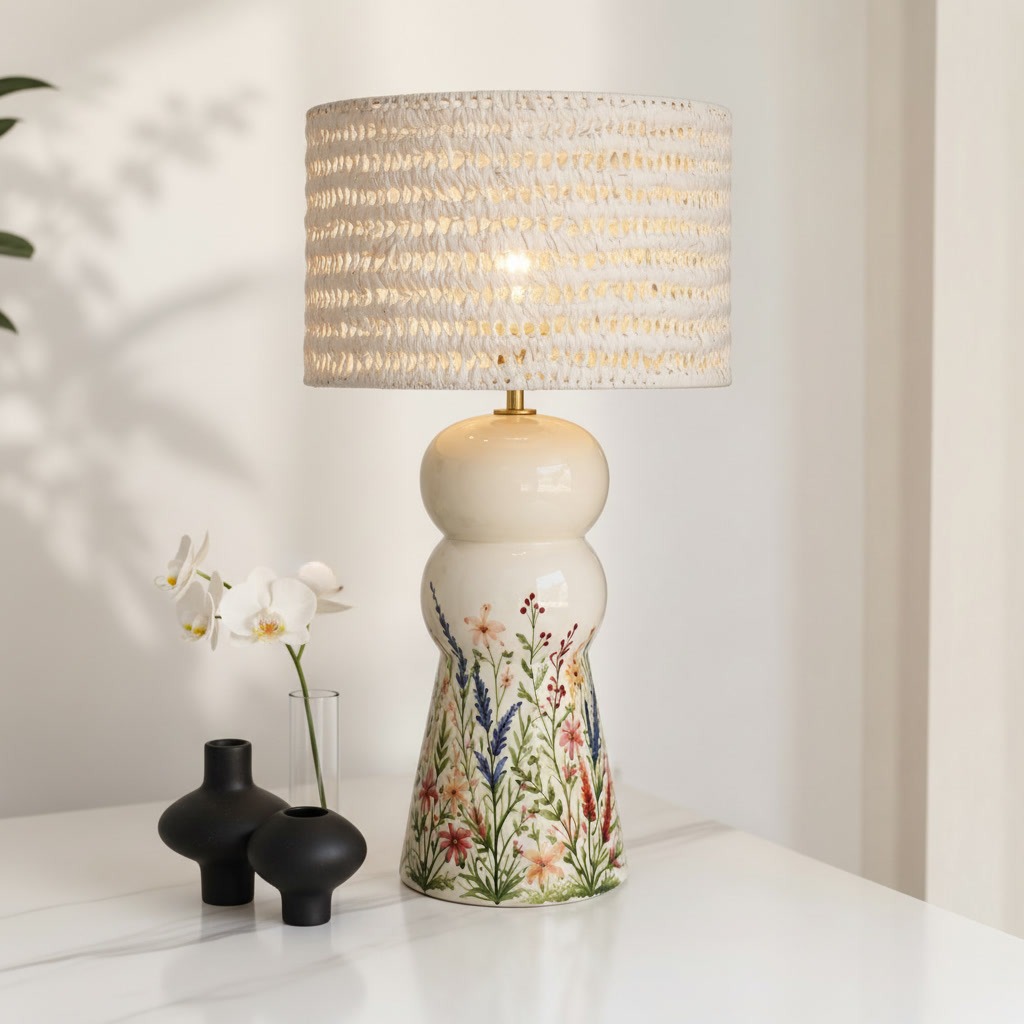
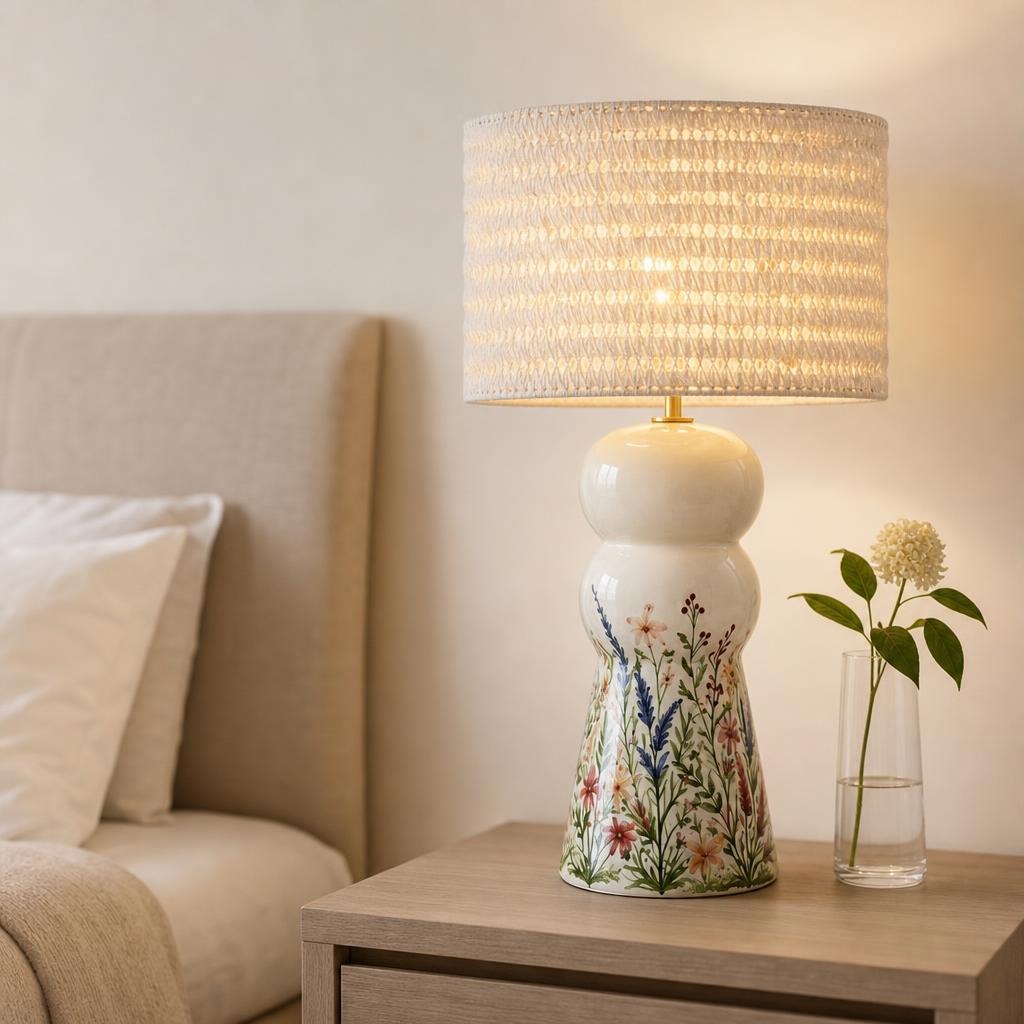
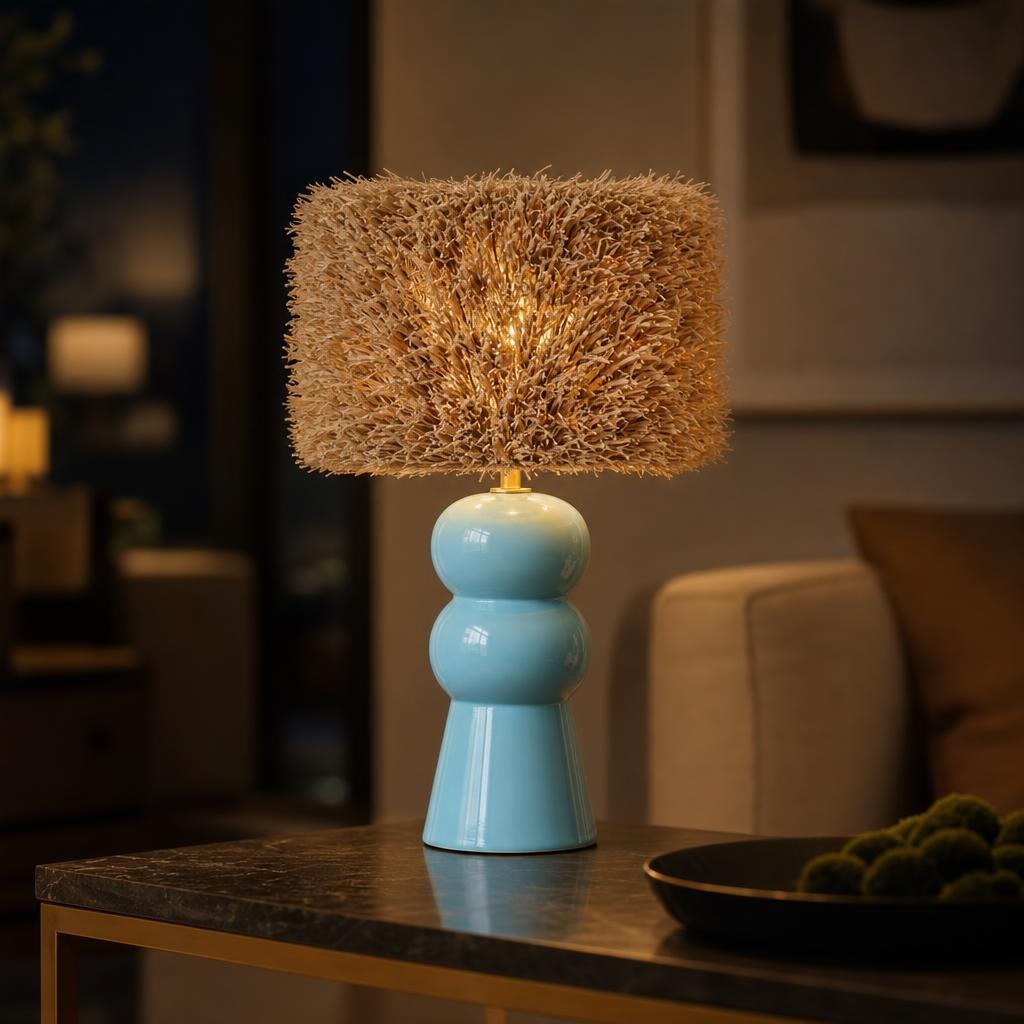
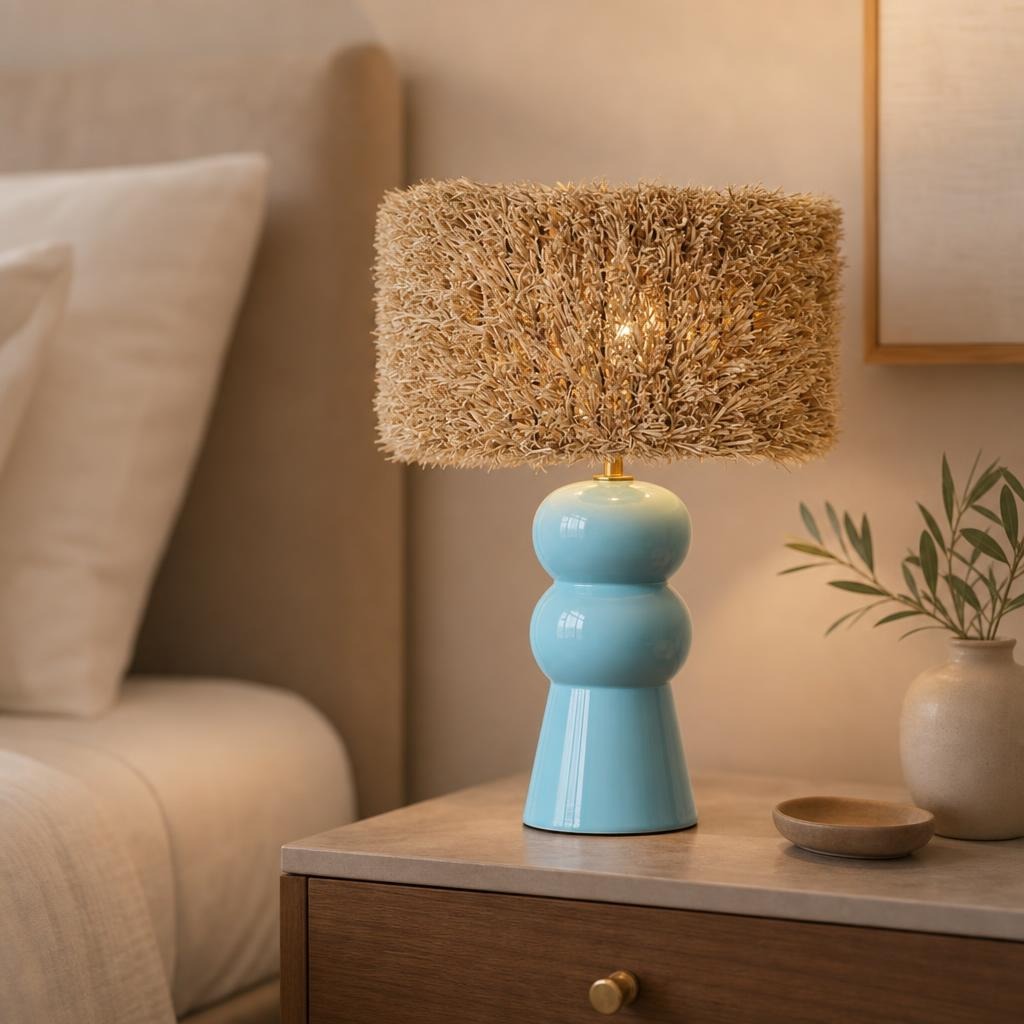
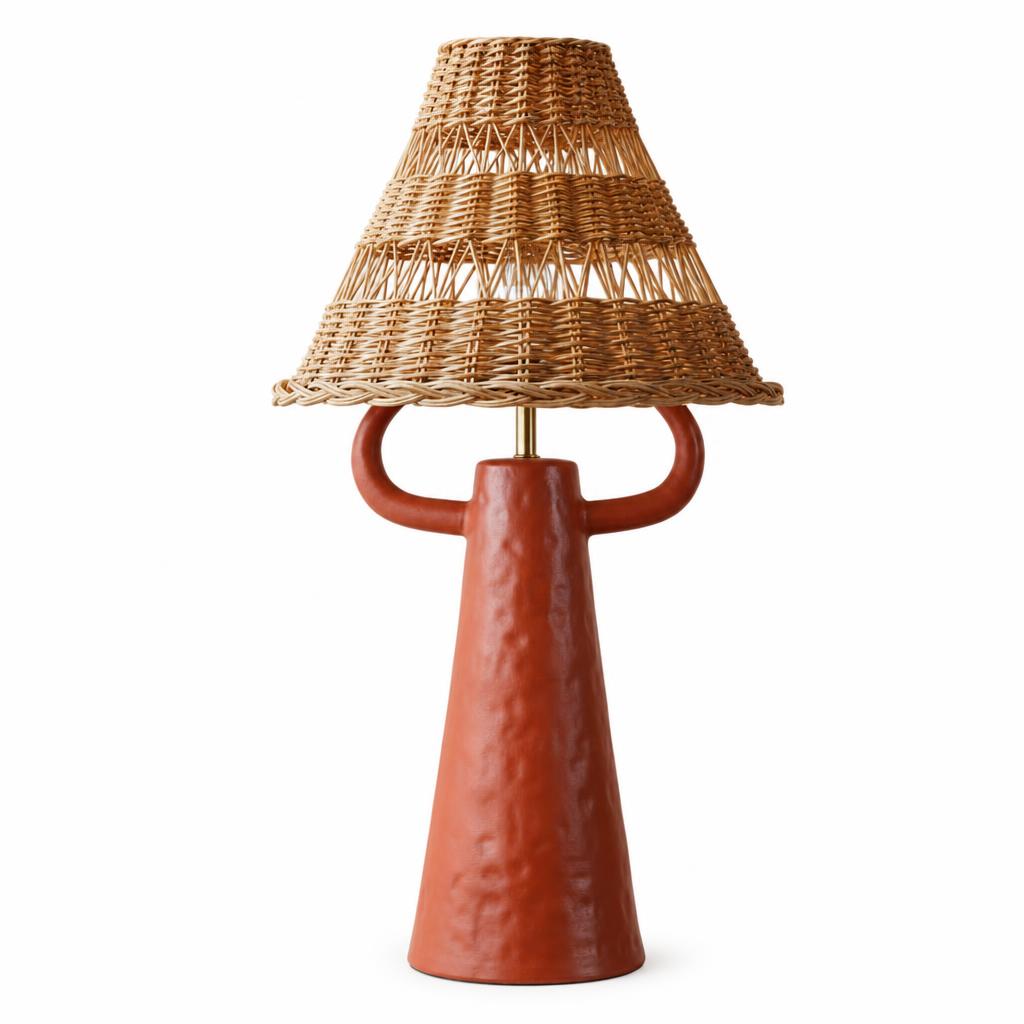
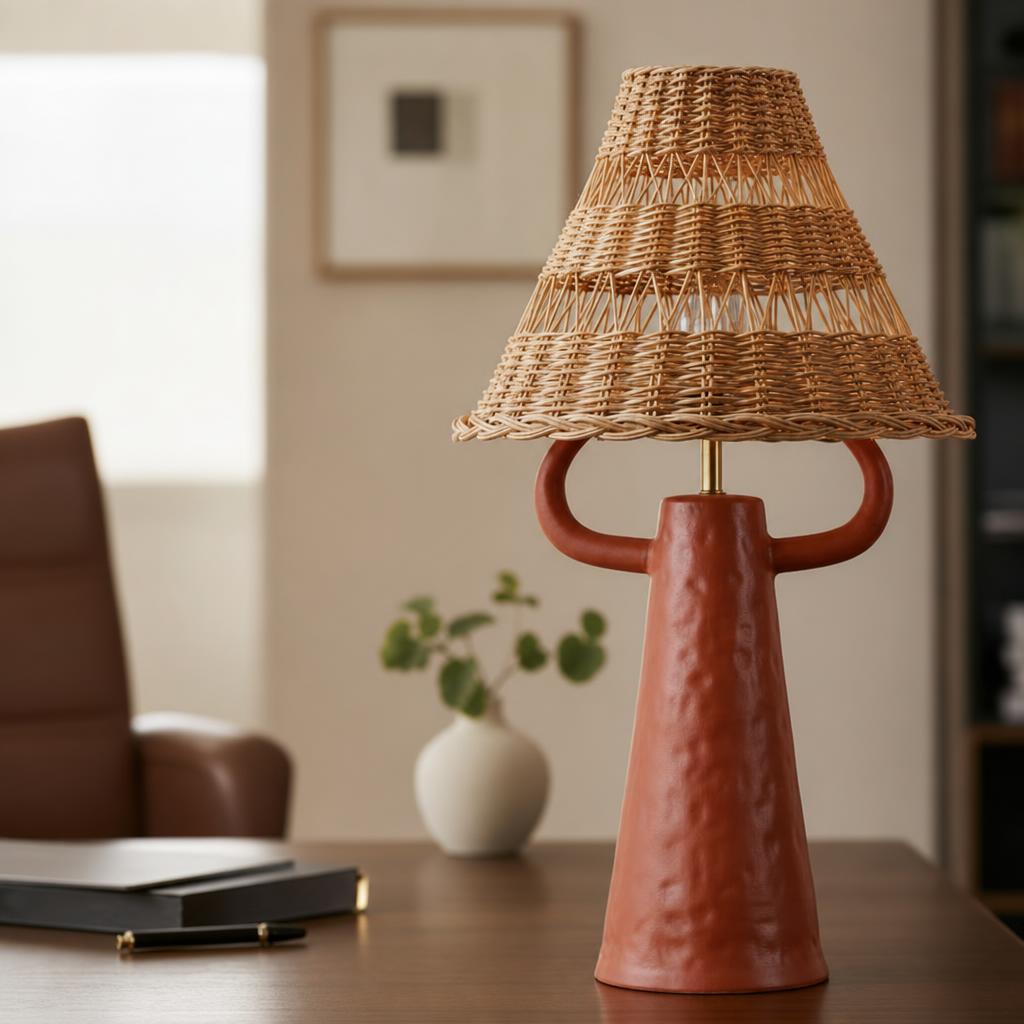
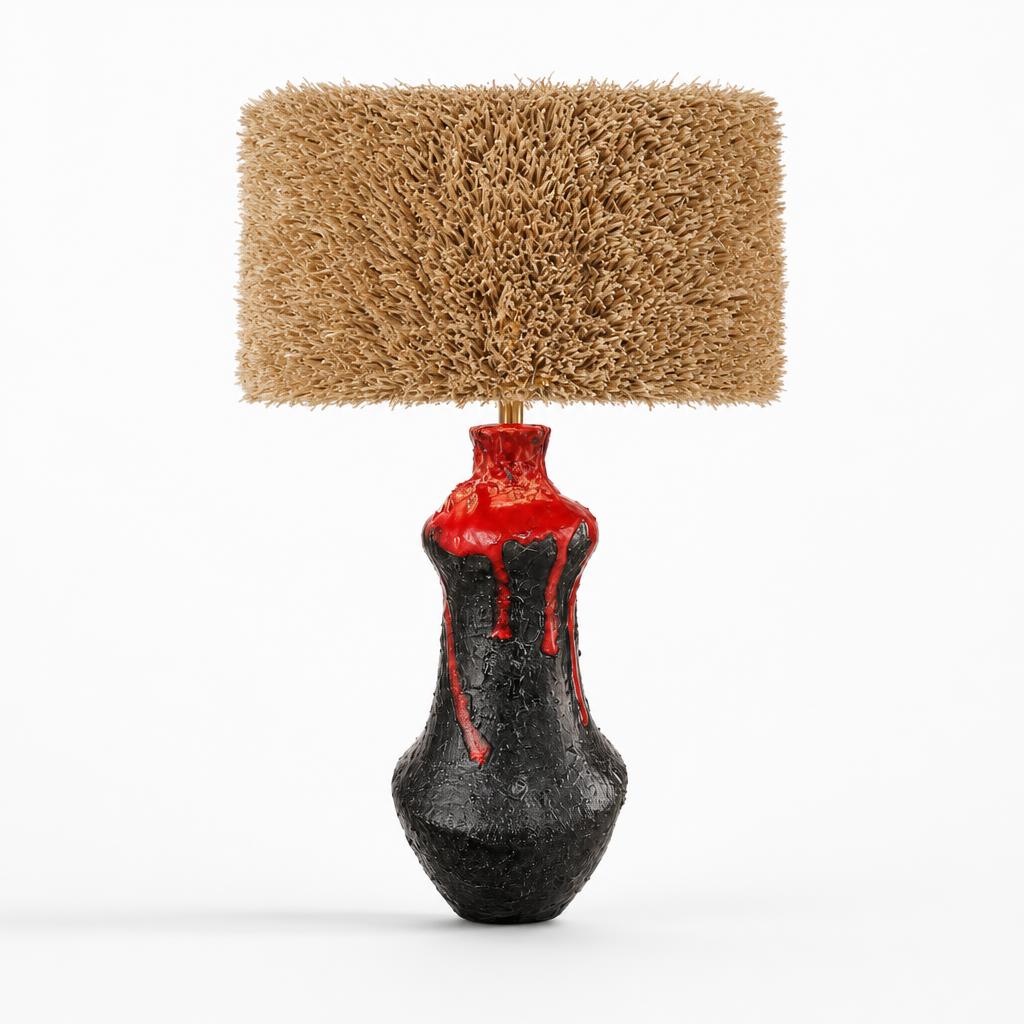
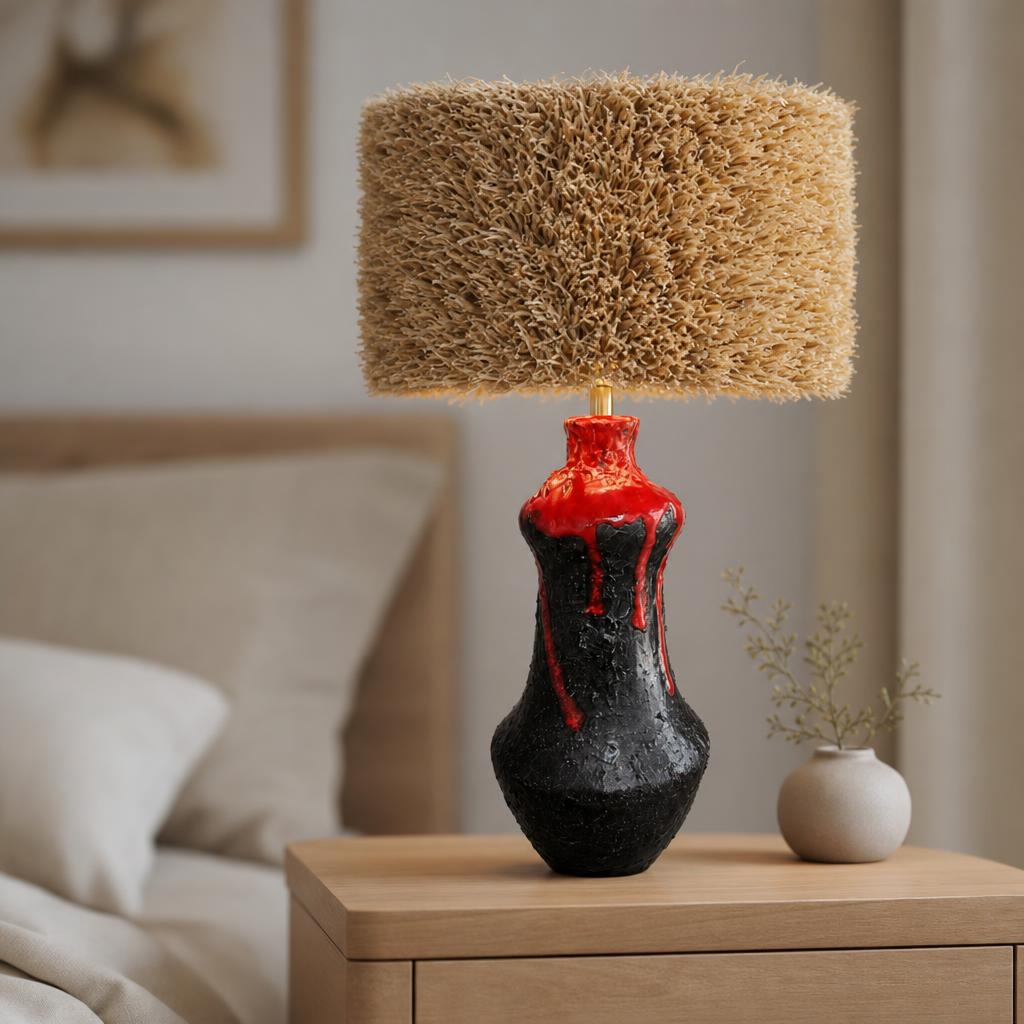
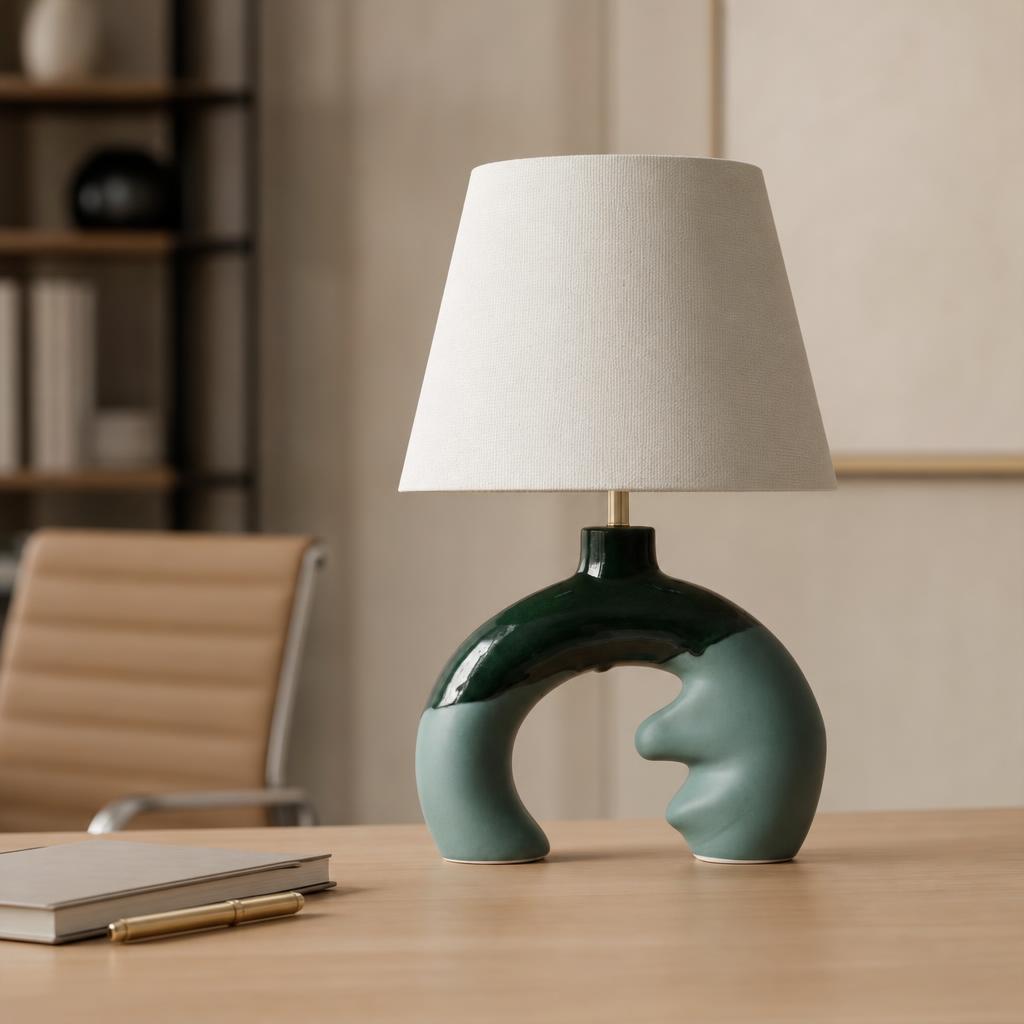
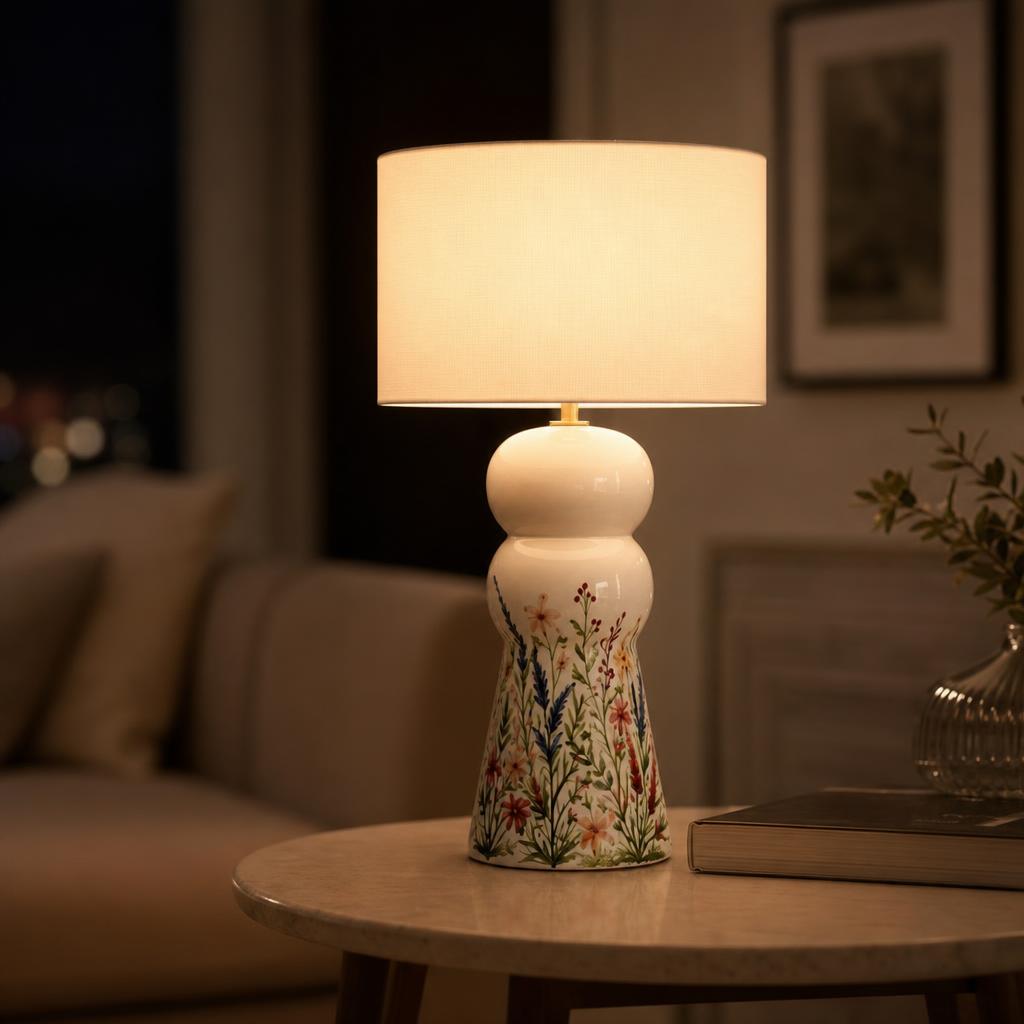
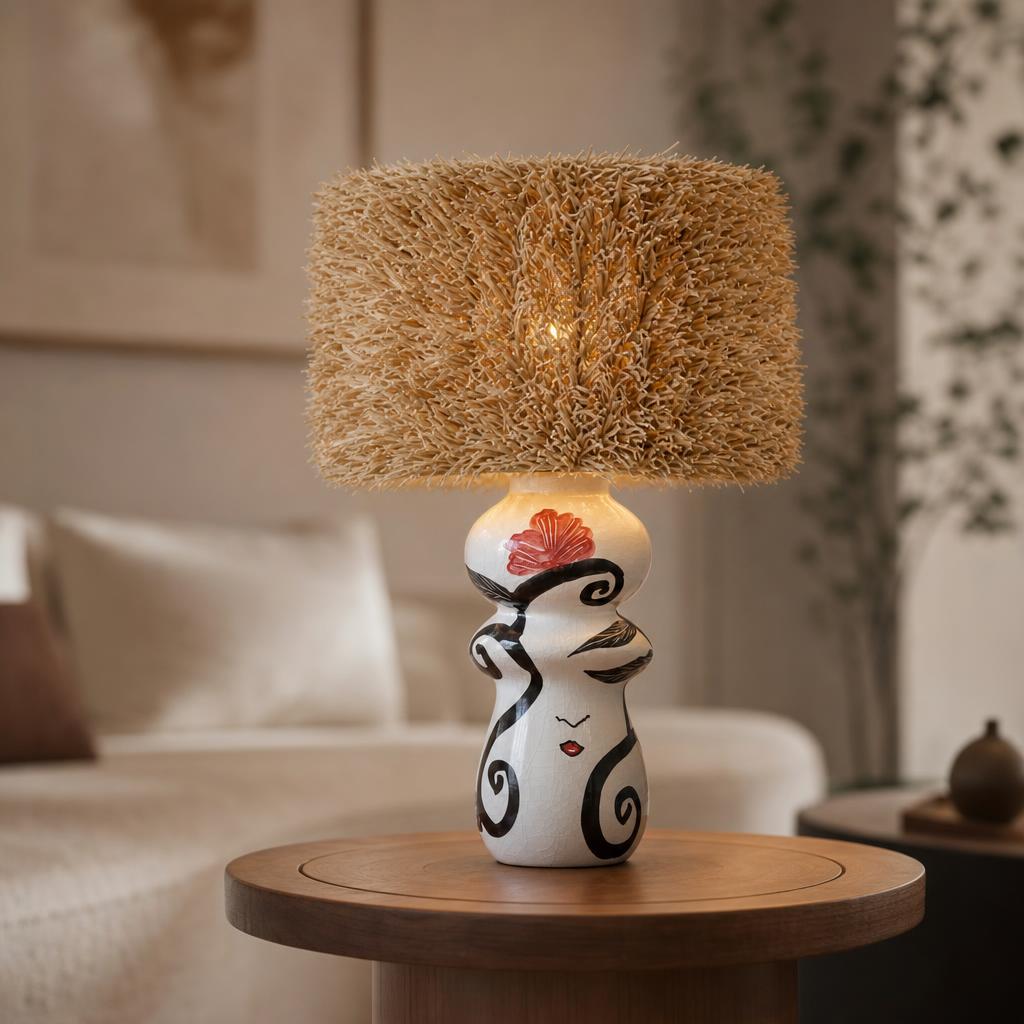
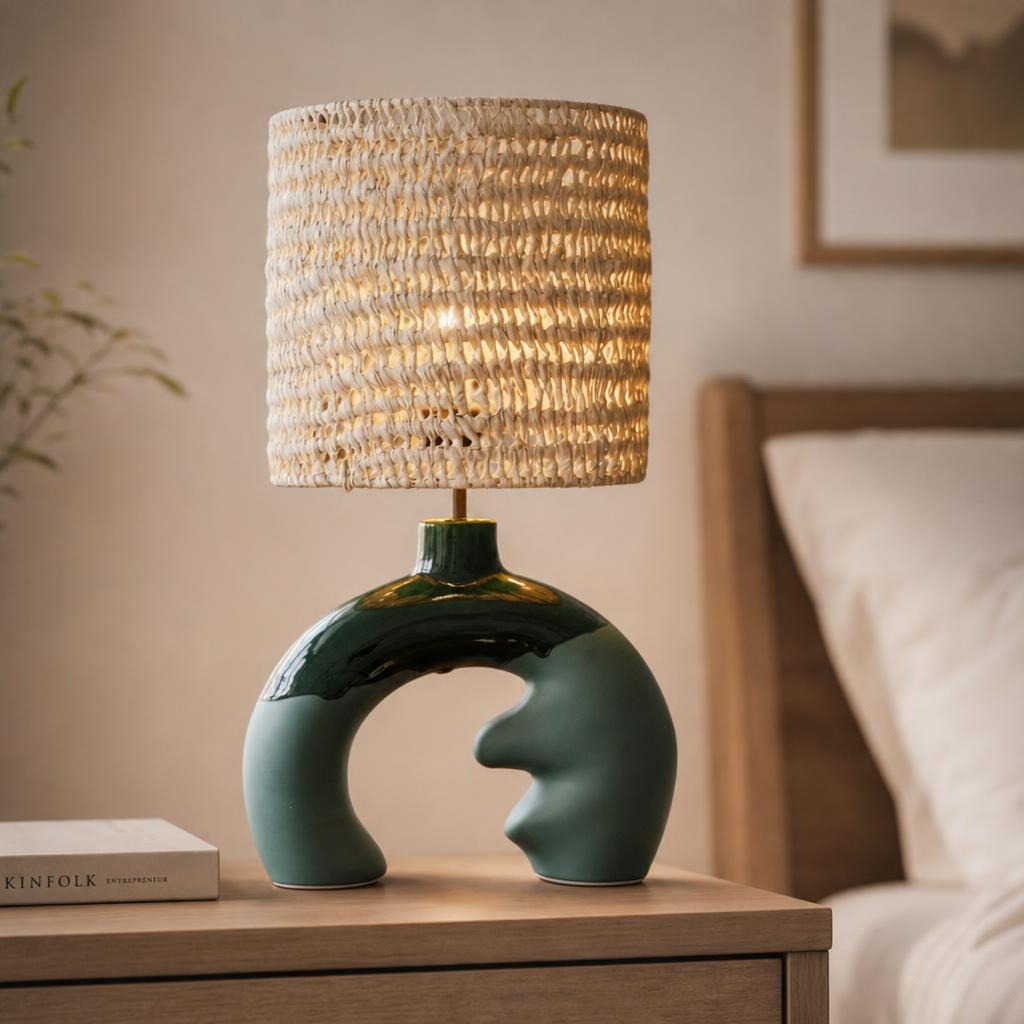
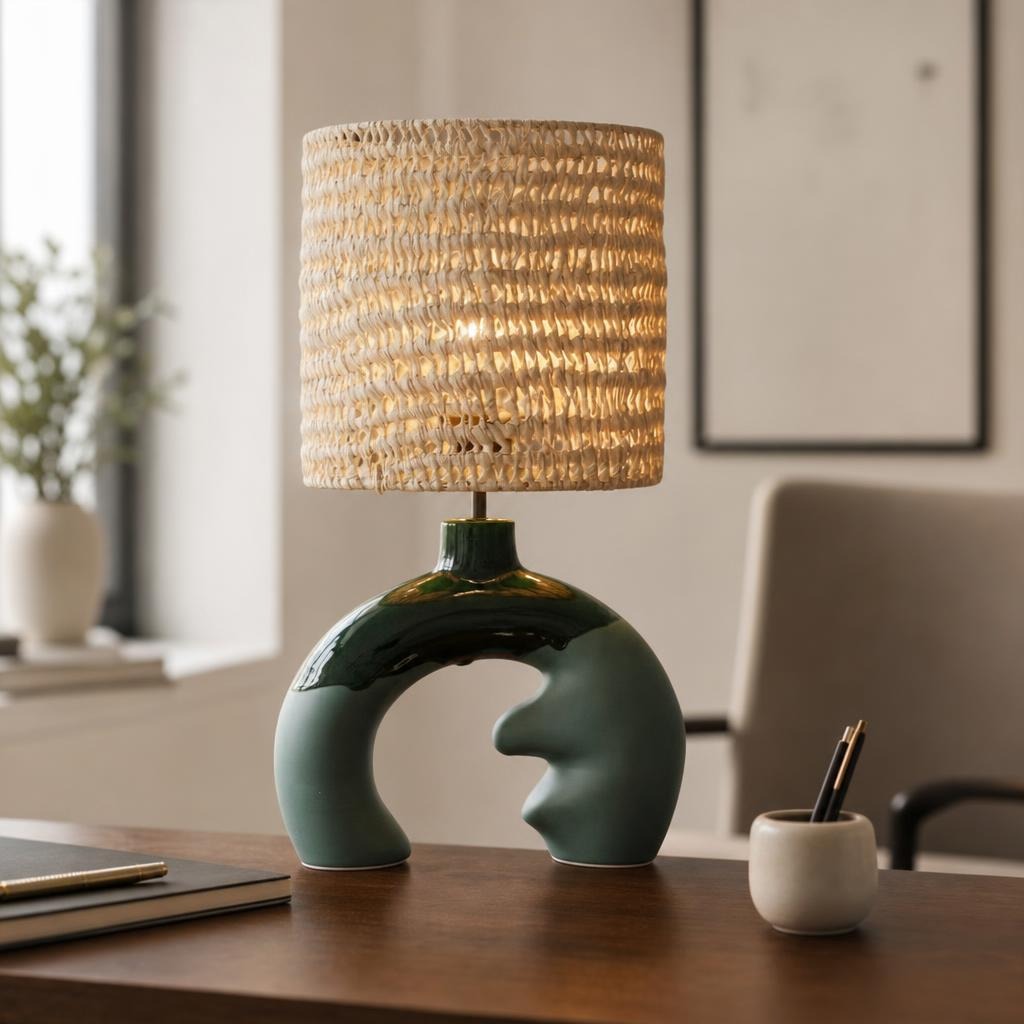
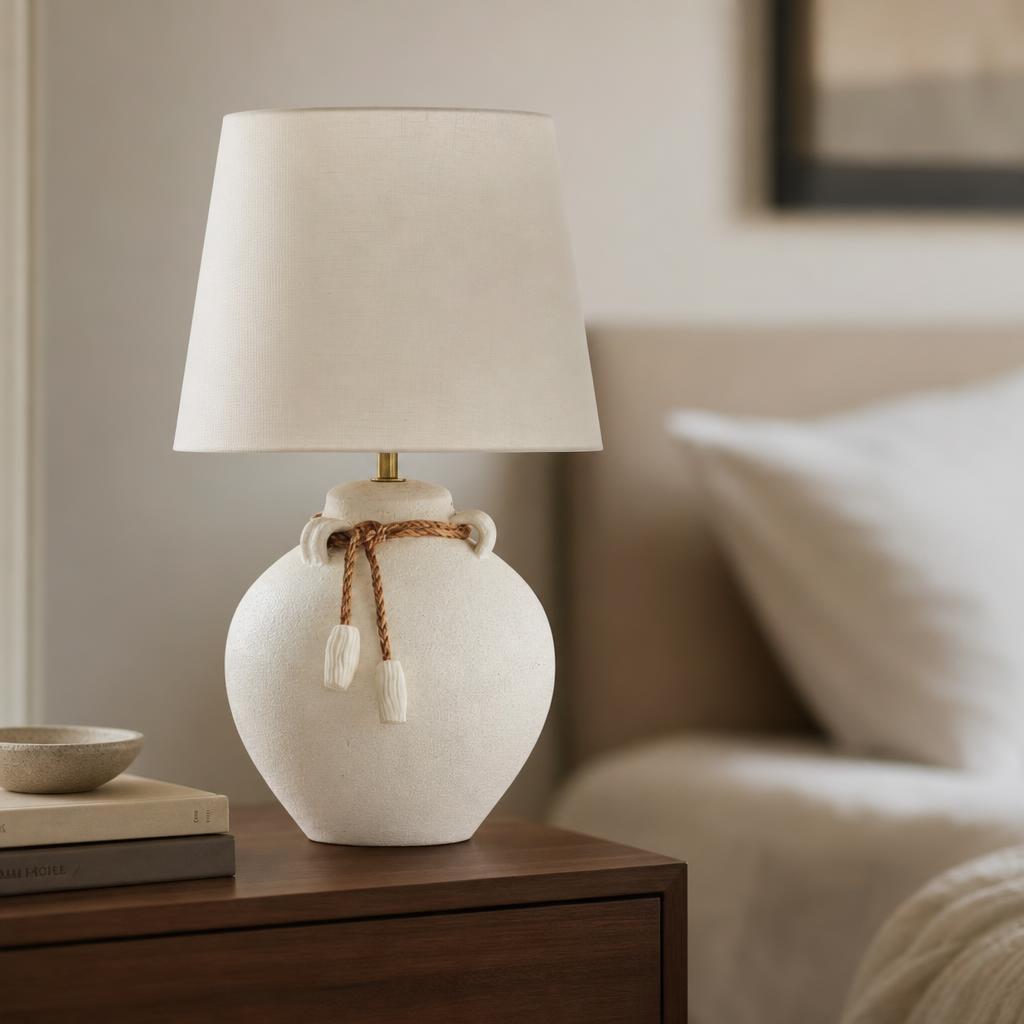
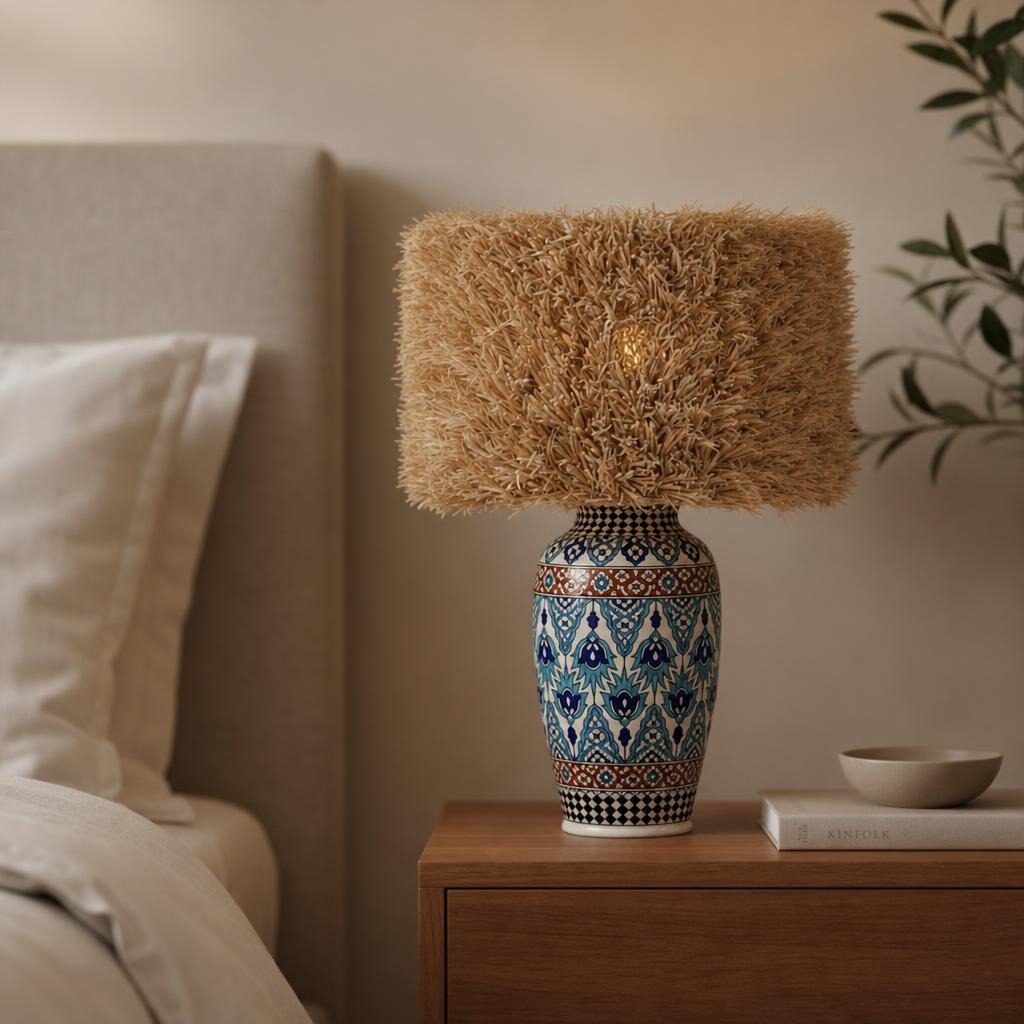
Ceramic table lamps bring illumination down to a comfortable human scale. Place one beside a sofa for reading, on a bedside table for a calm evening glow, or on a console to animate an entryway. Their bases remain visible even when switched off, so shape and finish matter as much as the shade. A broad base feels settled on substantial furniture; a slim sculptural lamp suits a smaller surface. Consider how the ceramic color relates to nearby textiles, art and timber rather than trying to match everything exactly.
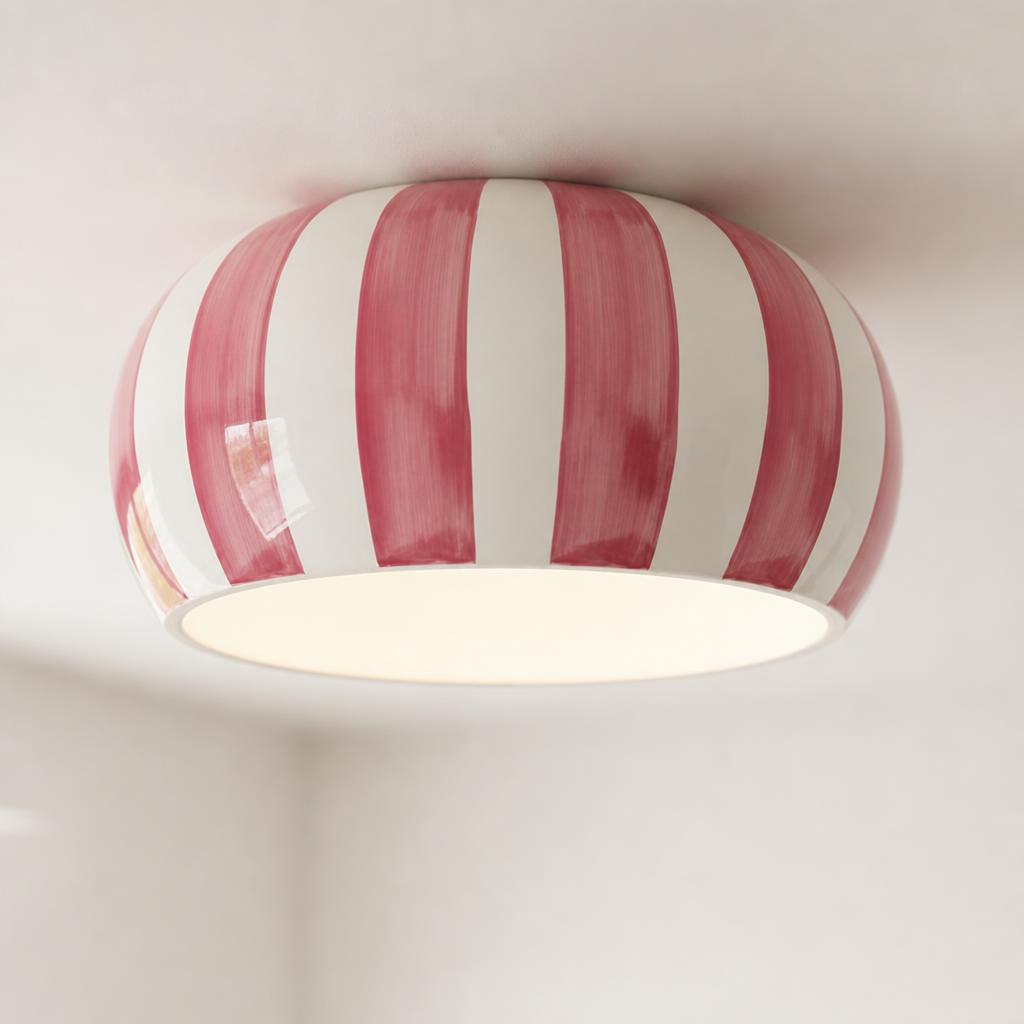
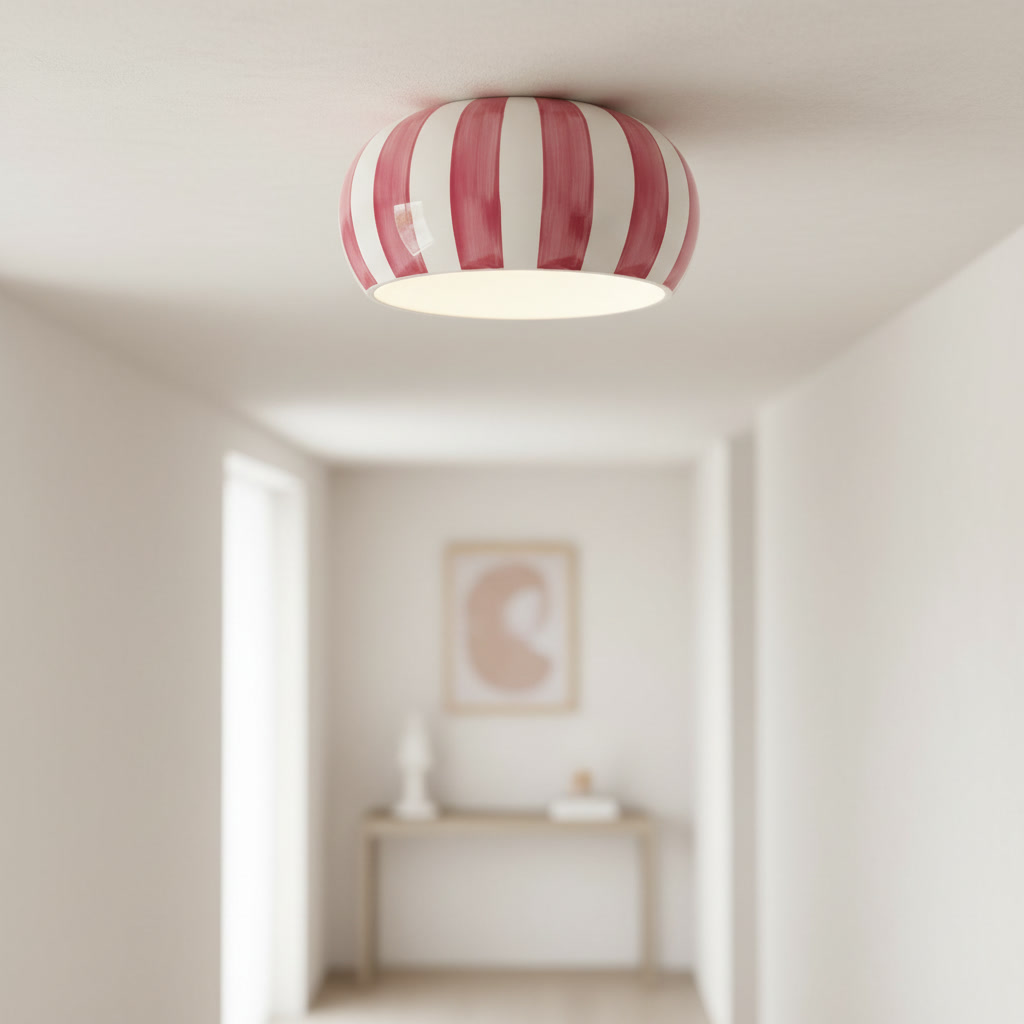
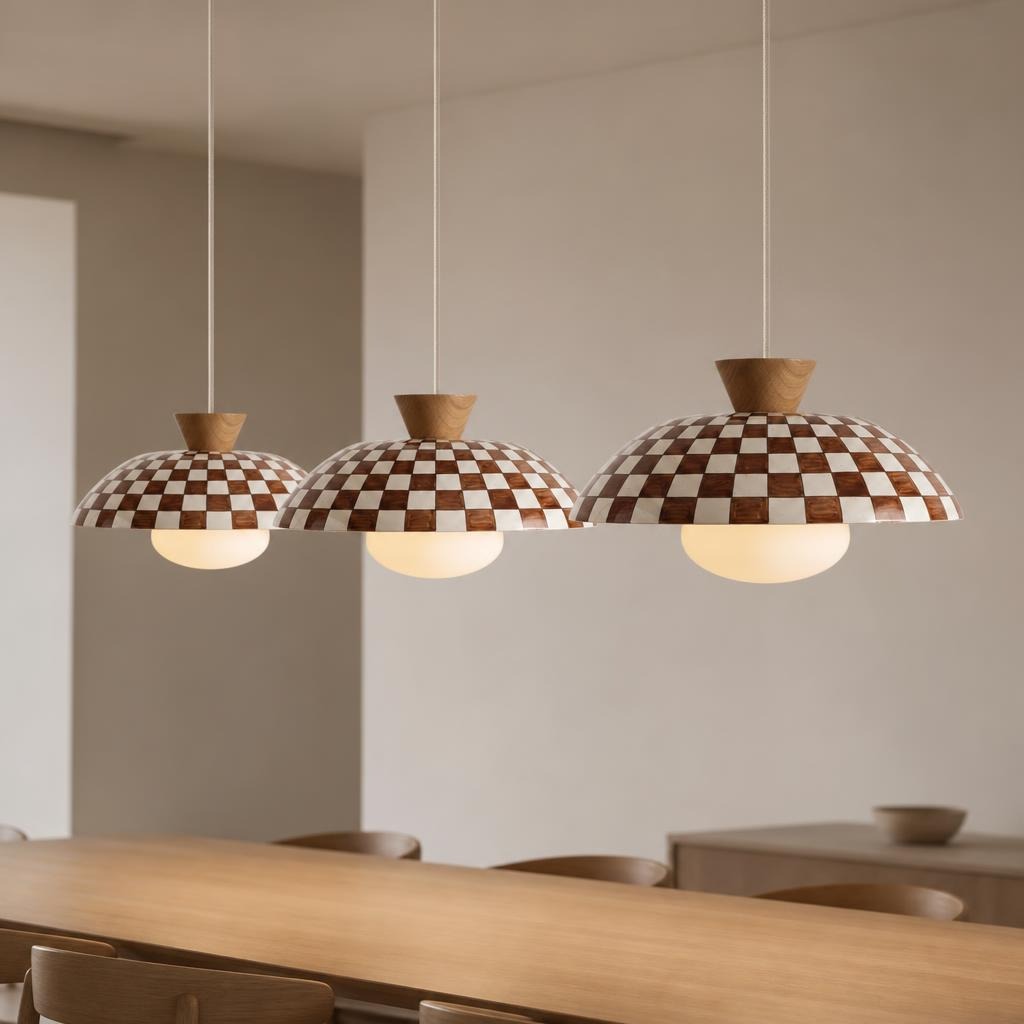
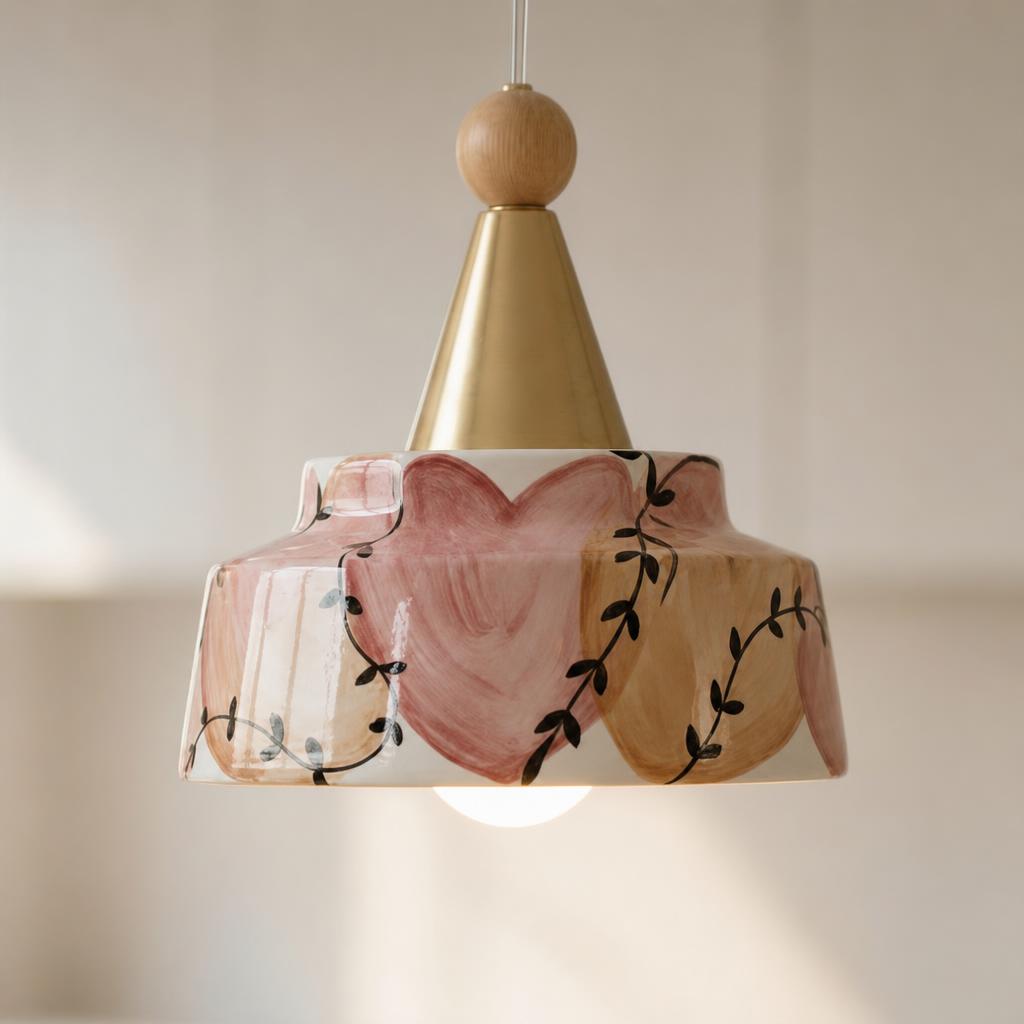
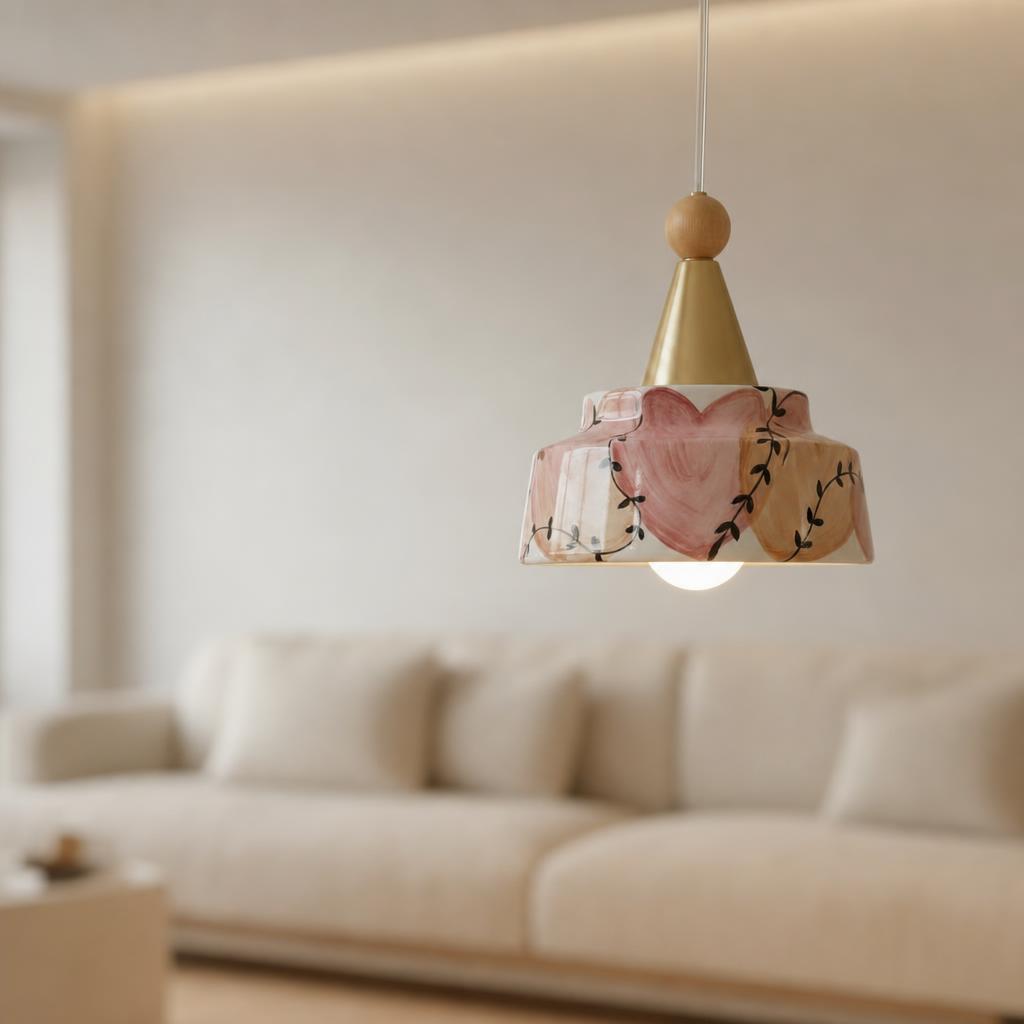
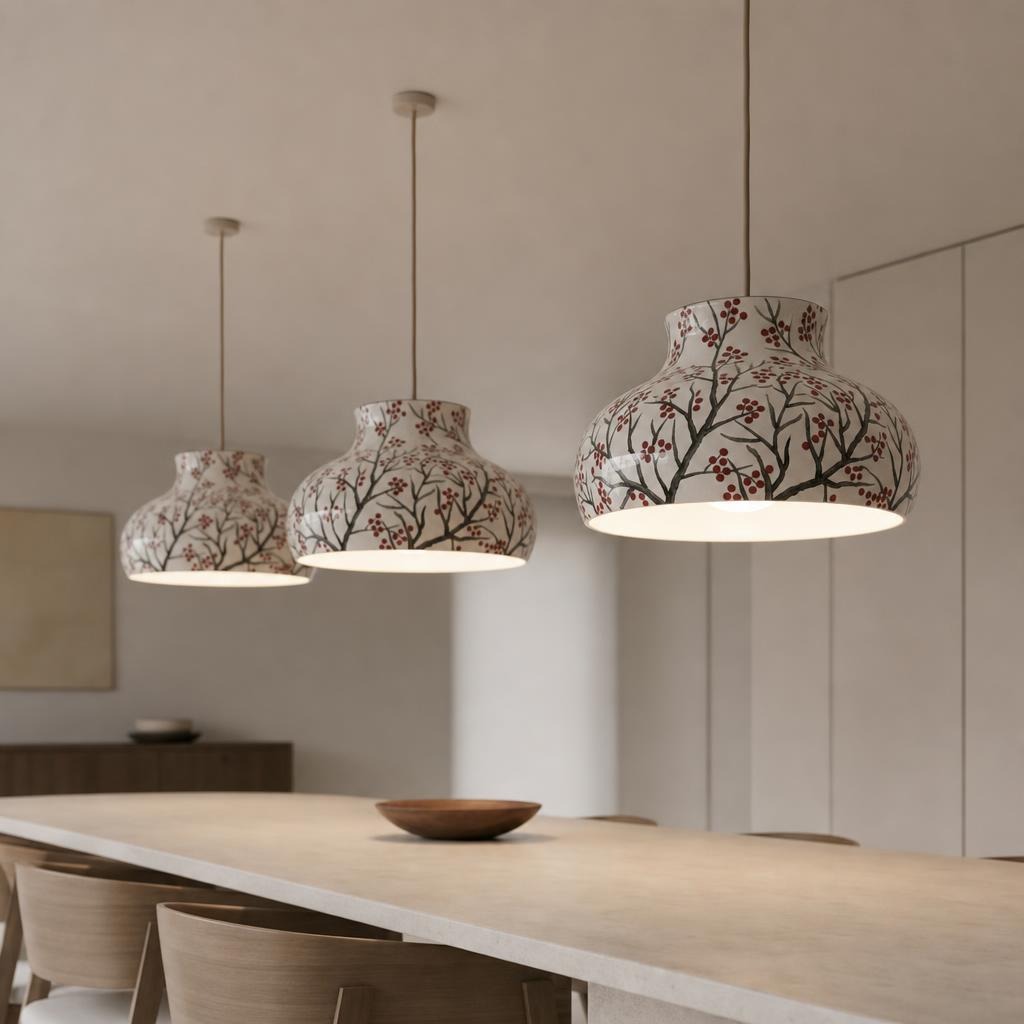
Ceramic pendant lights draw attention to dining tables, kitchen islands and conversational areas. The ceramic shade directs the eye as well as the light, making the fixture an overhead focal point. A single large pendant can anchor a compact table, while a measured row creates rhythm across a long island. Painted patterns introduce character; quieter tonal finishes give texture without dominating the room. Always review fixture dimensions and installation requirements before choosing a size or arrangement.
Ceramic wall sconces are useful where surfaces are limited or where a repeated architectural rhythm is desirable. They can frame a bed, brighten a hallway, soften a living room or add a pool of light to a reading corner. Upward-facing forms wash the wall and lift the room; downward light feels more focused. Double-ended designs can combine both effects. Their placement should respond to furniture, artwork, sightlines and the direction of movement through the space.
Start with the task the lamp must perform. Is it providing broad ambient light, illuminating a work surface, supporting reading or adding atmosphere after dark? That answer narrows the fixture type and light direction before color enters the decision. For a reading chair, the lower edge of a table-lamp shade should generally shield the bulb from view while directing useful light toward the page. Above an island, pendants should illuminate the worktop without interrupting conversation or sightlines across the room.
Scale is best judged in relation to nearby objects, not in isolation. A tiny lamp can look lost on a deep sideboard, while an oversized shade may crowd a narrow bedside table. Check the full height and width of a fixture, then map those dimensions in the room. For pendant groupings, consider the total composition—including the spaces between fittings—as one visual element. Repetition often feels calmer when the gaps are consistent.
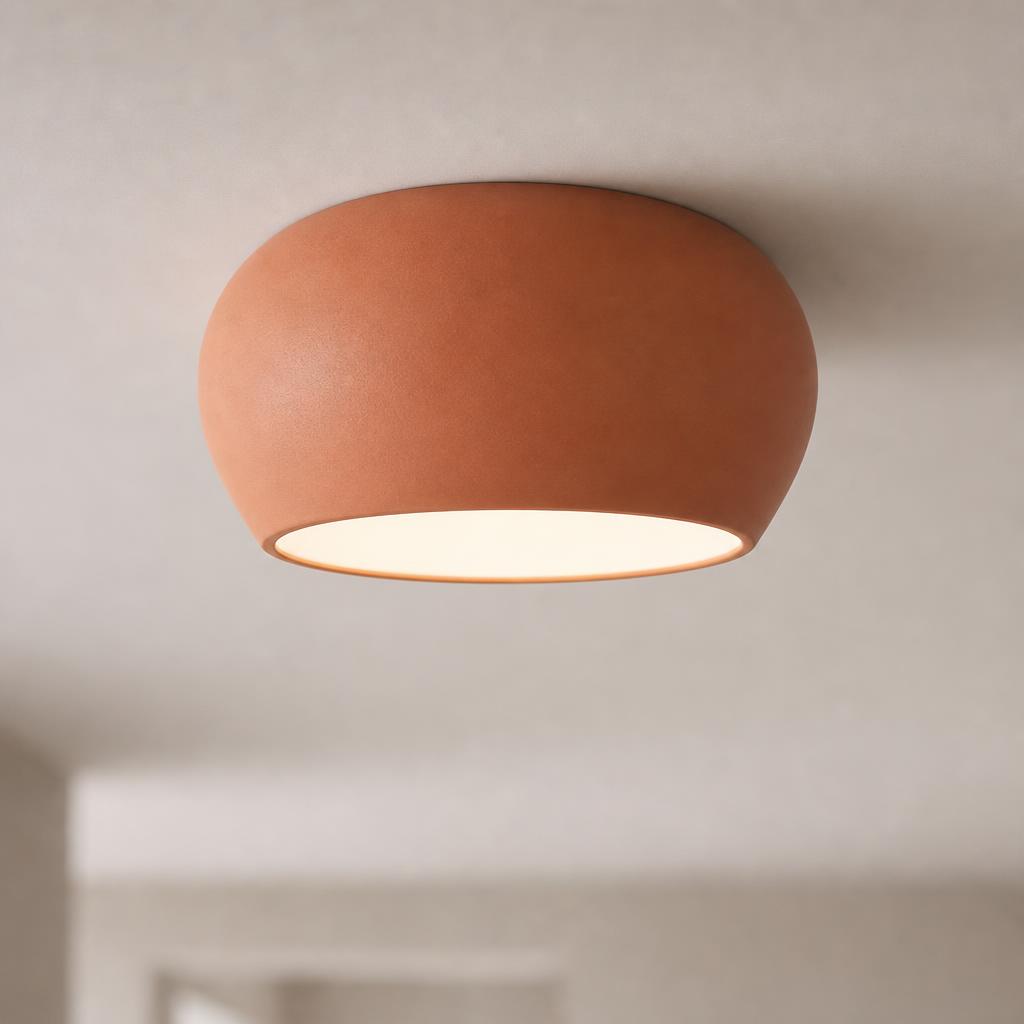
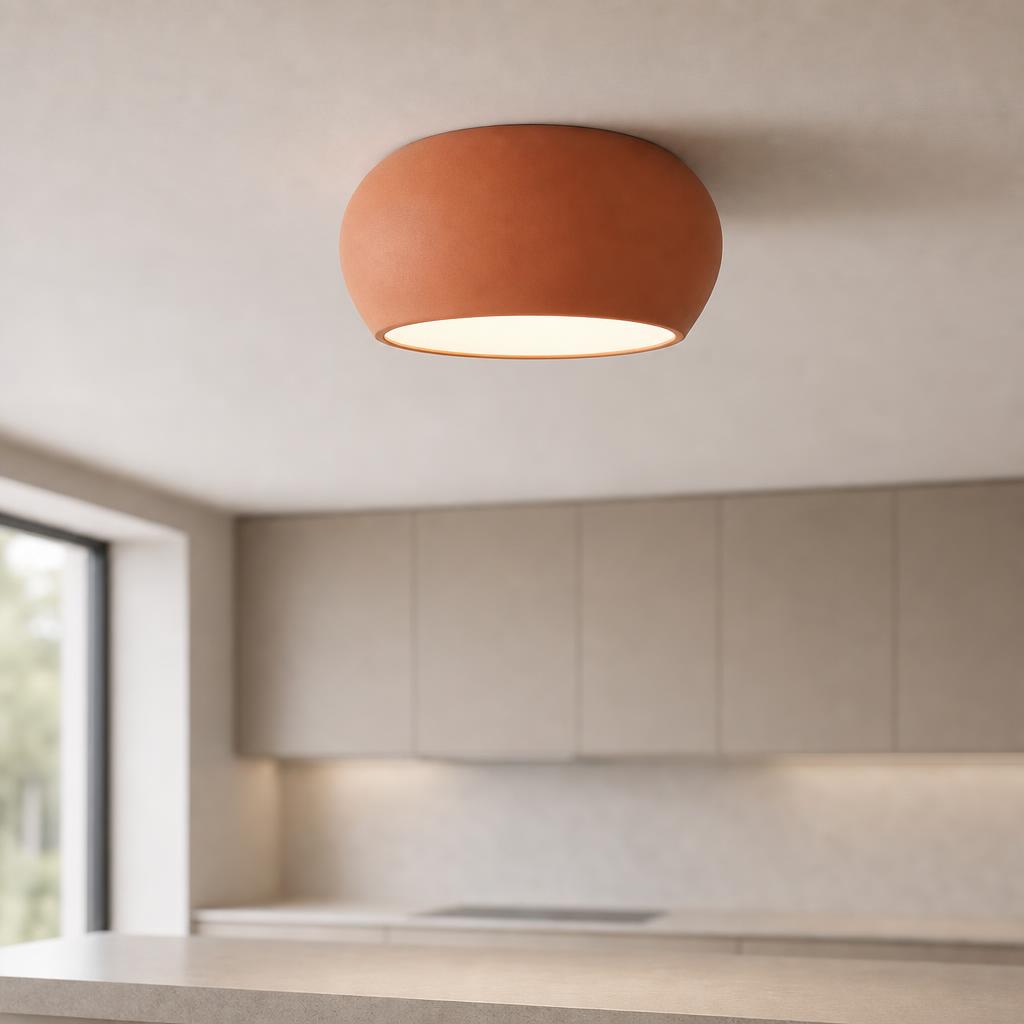
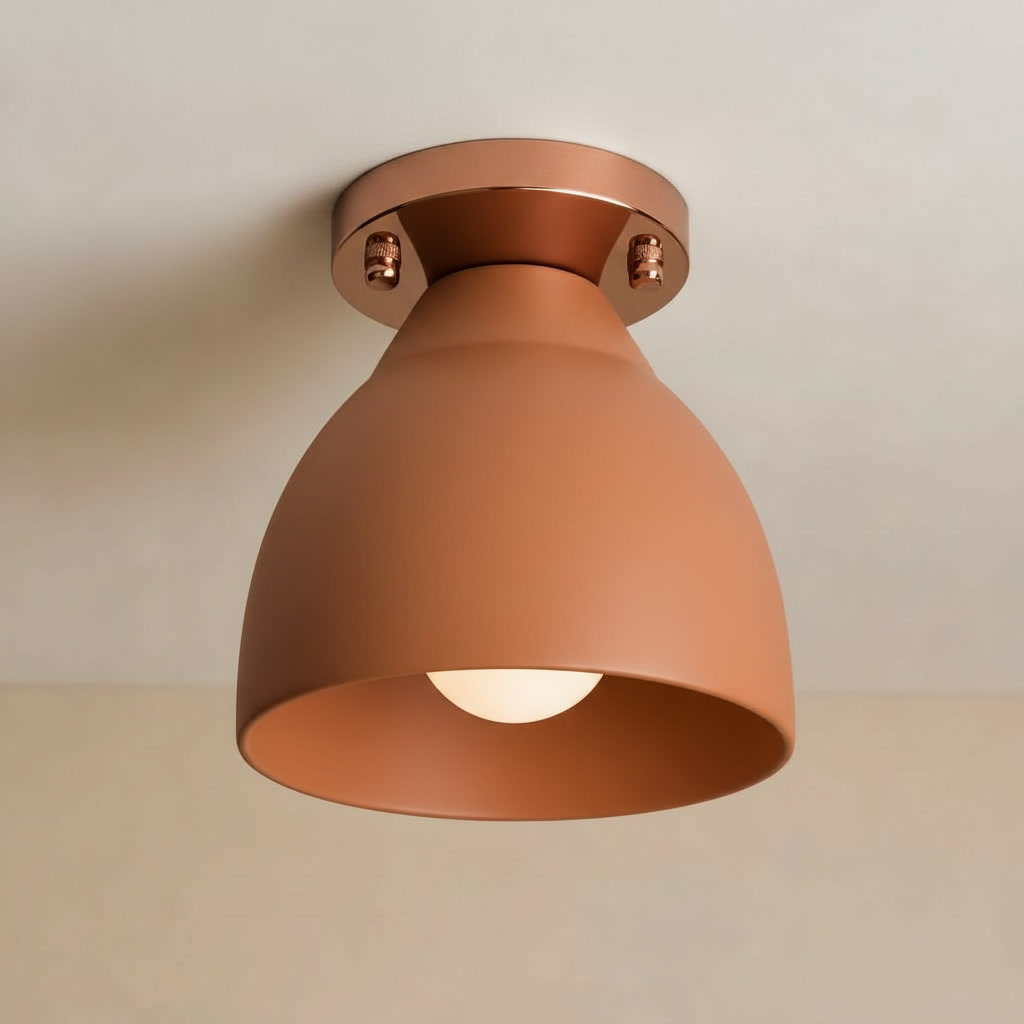
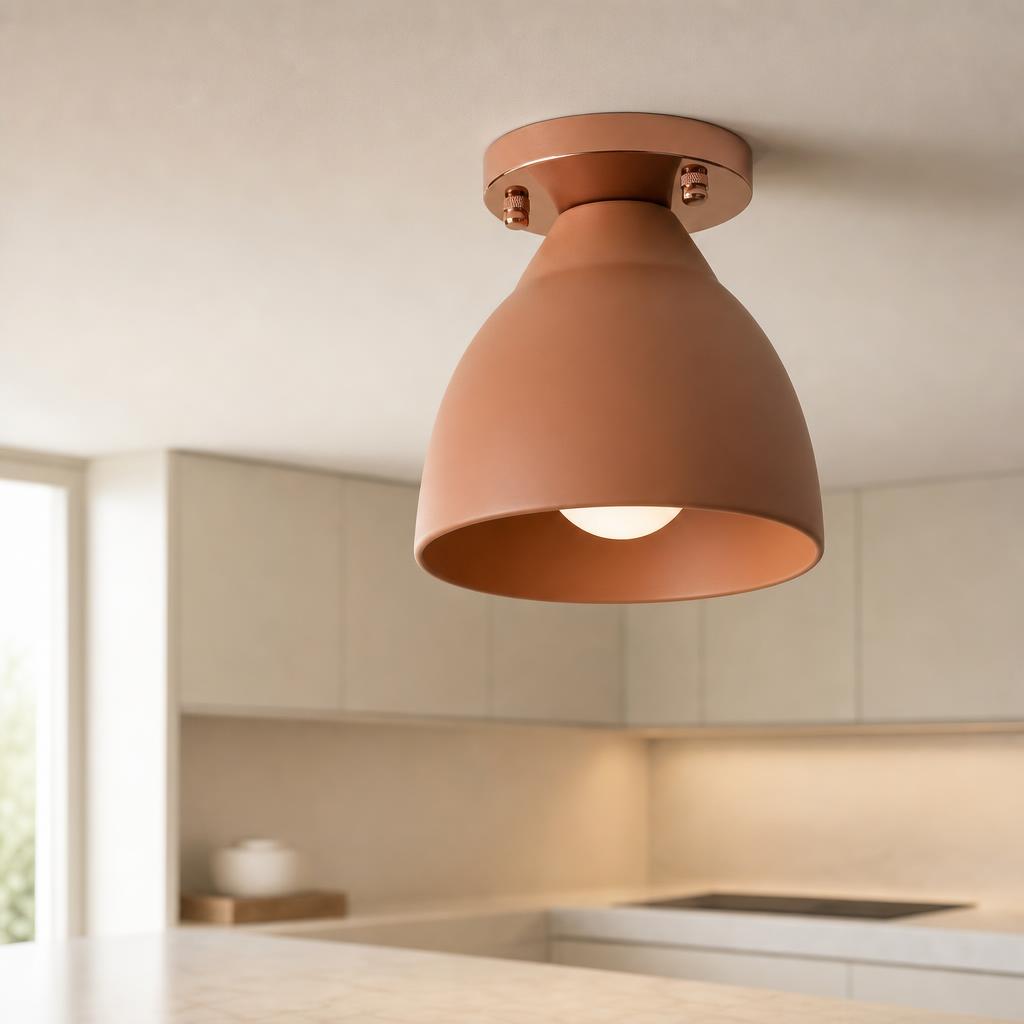
Color changes with light. Deep blue and burgundy glazes can appear almost neutral in shade, then become vivid in sunlight or warm lamplight. Ivory, sand and terracotta finishes tend to connect easily with natural palettes. Patterned ceramic can act like artwork, particularly when the rest of the room is quiet. If several ceramic fixtures share a space, they do not need to match; a repeated color, shape or material detail is often enough to make the scheme feel intentional.
Finally, pay attention to proportion and visual weight. An open, airy room can carry a bolder silhouette, while a compact area may benefit from a fixture with a clean outline. Layer heights so the room does not feel uniformly lit: ceiling fixtures establish the upper plane, sconces shape the walls and table lamps create intimate pools of light closer to where people sit.
Pendant lights for a kitchen island need to balance practical illumination with a clear, composed view through the room. Begin with the island length, ceiling height and the number of work zones. A pair of generous fixtures can suit a medium island, while three smaller island pendant lights often create an even visual rhythm over a longer surface. The right count depends on fixture diameter and spacing rather than a universal rule.
When planning pendant lighting for a kitchen island, keep enough space between shades for each silhouette to read clearly. Kitchen island pendant lights should usually sit high enough to preserve sightlines and low enough to make the island feel anchored. Conditions vary, so fixture instructions and the proportions of the people using the space should guide final installation. If the island includes a cooktop, sink or raised seating, align light with those activities rather than treating the counter as an abstract rectangle.
Ceramic shades are particularly effective above stone and timber because they add another natural, tactile surface. Botanical painting can soften clean cabinetry; checkered or geometric decoration can sharpen a simple room; a quiet tonal glaze can support a more layered material palette. Repeating pendants gives pattern a controlled structure, helping expressive ceramics feel integrated rather than incidental.
A layered scheme allows a room to change throughout the day. Pendants provide orientation and useful overhead light, wall sconces articulate architecture, and table lamps make seating areas feel intimate. Put each layer on an appropriate circuit or control when possible, so the room can move from practical brightness to a softer evening atmosphere without relying on a single powerful source.
Think in zones. In an open-plan kitchen and living area, pendants can define the island, a sconce can mark a transition or artwork wall, and table lamps can settle the lounge. Repeating ceramic across these zones creates continuity, but variation keeps the arrangement from feeling like a set. Pair a patterned pendant with a solid-glaze sconce, or echo the rounded profile of a table-lamp base in an overhead shade.
Living rooms benefit from several low and mid-level sources. Use table lamps around seating for warmth and sconces where a wall needs definition. A pendant can anchor the center without doing all the work.
Bedrooms call for calm, controlled light. Ceramic sconces free bedside surfaces, while table lamps offer easy access and a decorative counterpoint to textiles.
Kitchens and dining rooms need clear task lighting and comfortable ambience. Pendants focus attention on islands and tables, while a nearby lamp can soften the room after food preparation ends.
Hallways and entryways often have little room for furniture. Wall sconces add character without interrupting circulation; a ceramic lamp on a console creates a welcoming arrival when space allows.
A ceramic lamp uses fired clay as a visible part of its base, shade or body. It may be glazed, painted, textured or left with a more natural surface.
Yes. Ceramic lamps add both useful light and a tactile decorative form, making them especially effective beside sofas, on consoles and as part of layered living-room lighting.
Yes, provided the fixture dimensions, light output and installation requirements suit the island. Ceramic pendants can supply task light while creating a strong visual focal point.
There is no single correct number. Island length, pendant diameter and desired spacing determine whether one, two, three or more fixtures create the best balance.
Place sconces according to their purpose, furniture and sightlines. They can flank beds and mirrors, repeat down hallways or add focused light beside seating and artwork.
Yes. Combining them creates layered lighting at different heights. Use a shared color, material cue or shape to connect the fixtures without making them identical.