 Skip to navigation
Skip to main content

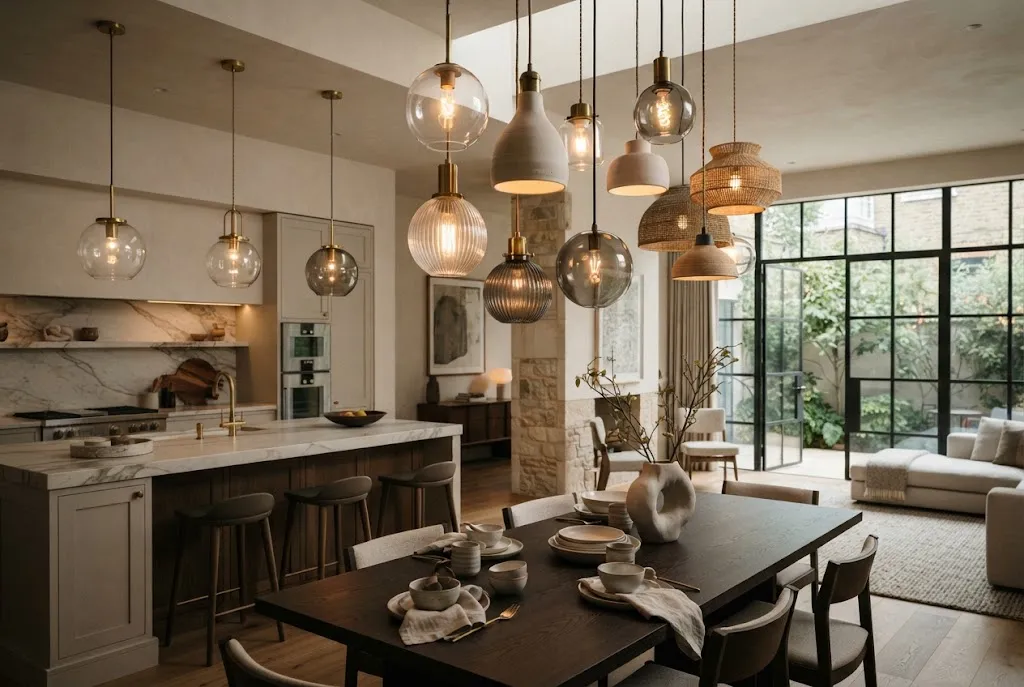
Ceramic Pendant Lights
Ceramic pendant lights combine functional overhead lighting with sculptural form, texture, and decorative character. Our collection features distinctive pendant lamps designed for kitchen islands, dining tables, living spaces, entryways, and other areas where lighting can become part of the interior itself. From contemporary statement pieces to more understated designs, ceramic pendant lighting can add warmth and visual interest while creating a focused layer of illumination. Explore pendant lights designed to bring personality, atmosphere, and a considered finishing touch to modern interiors.
Filter by price
Catégorie
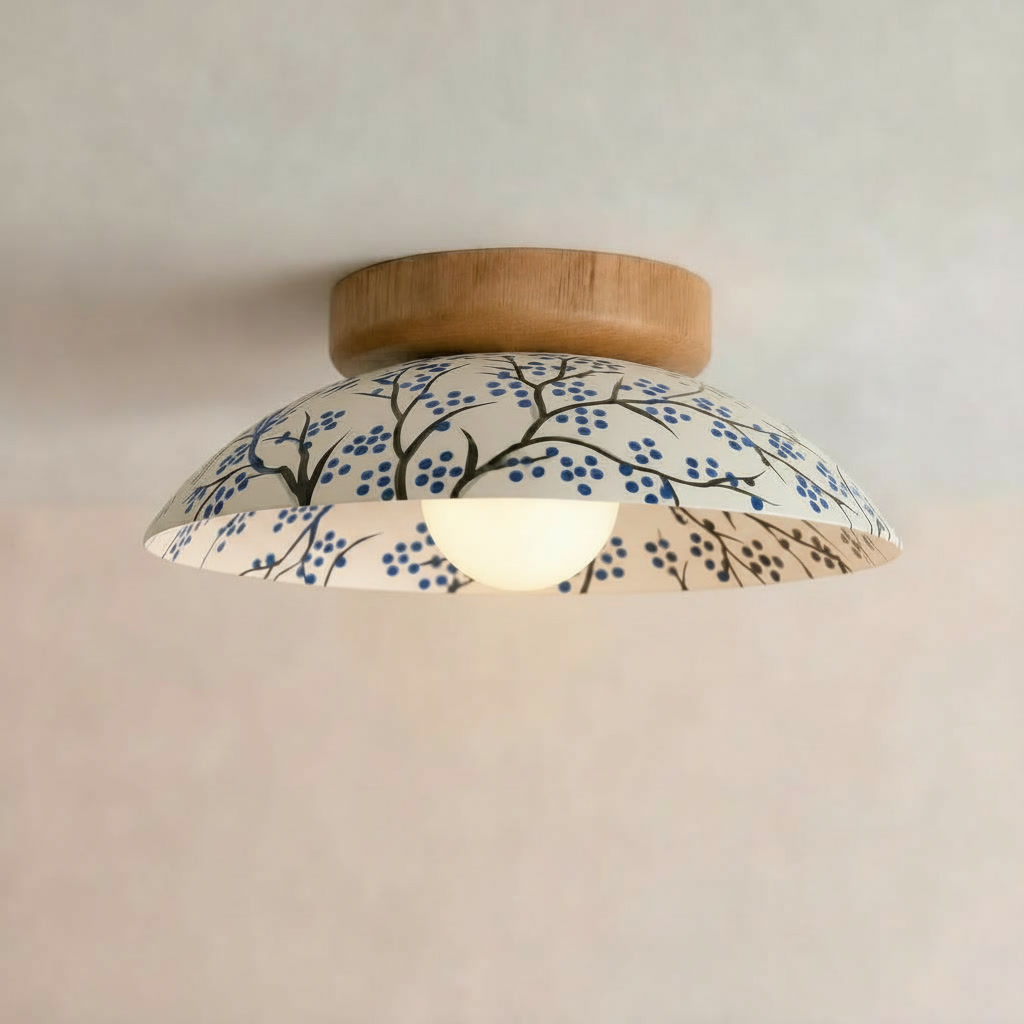
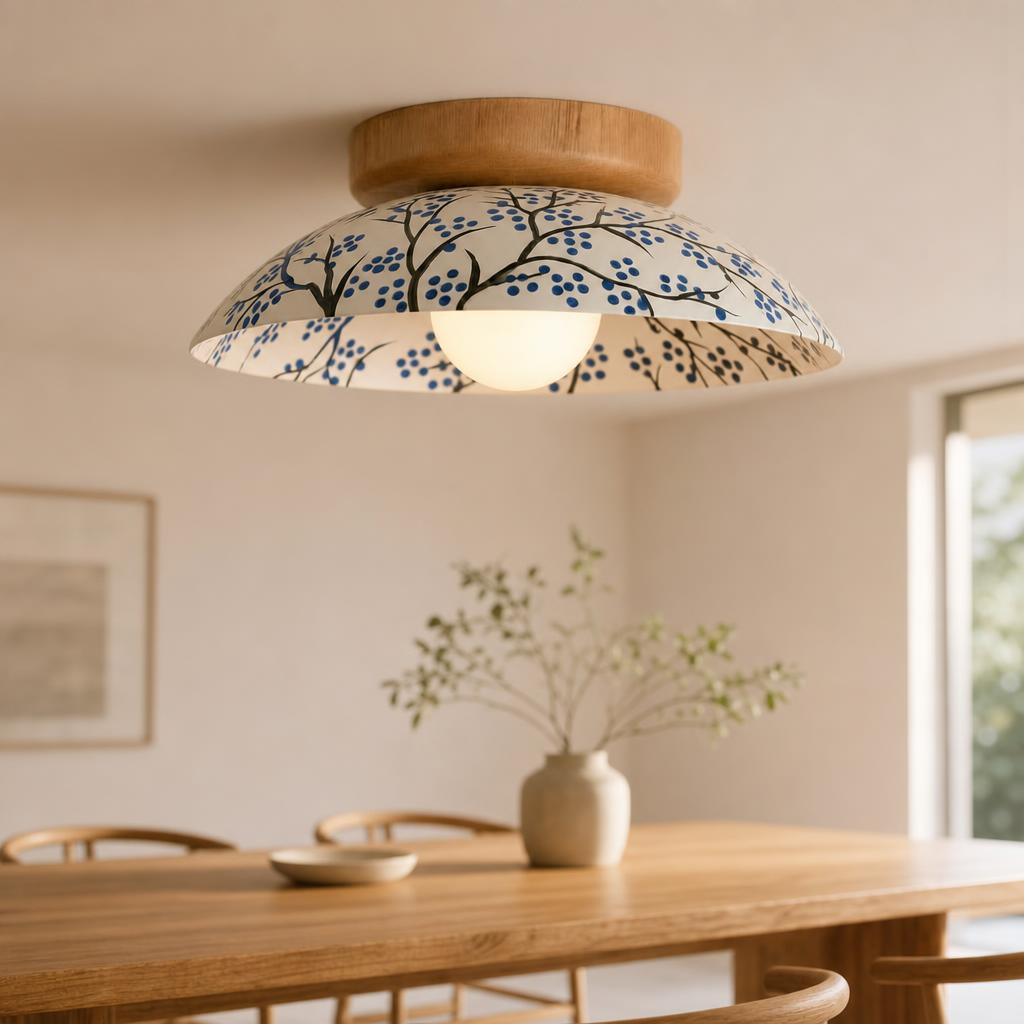
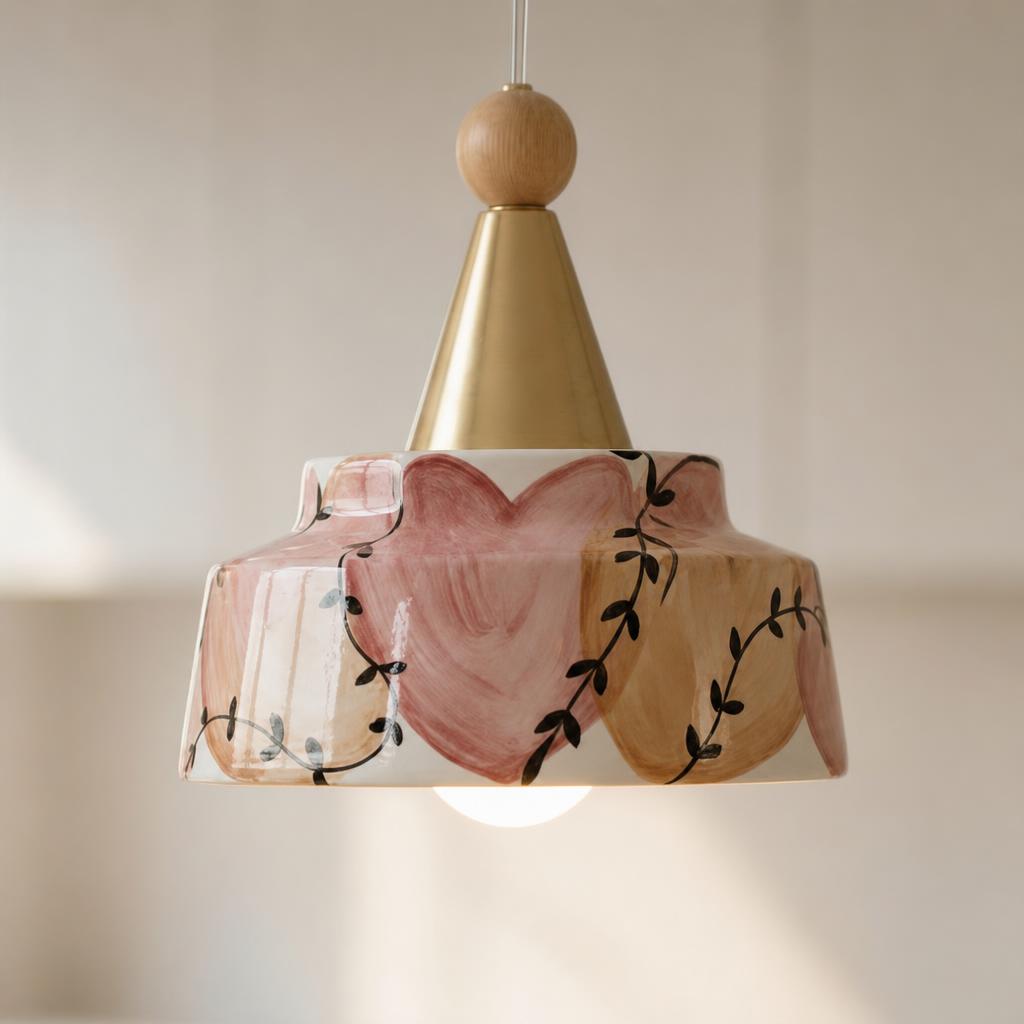
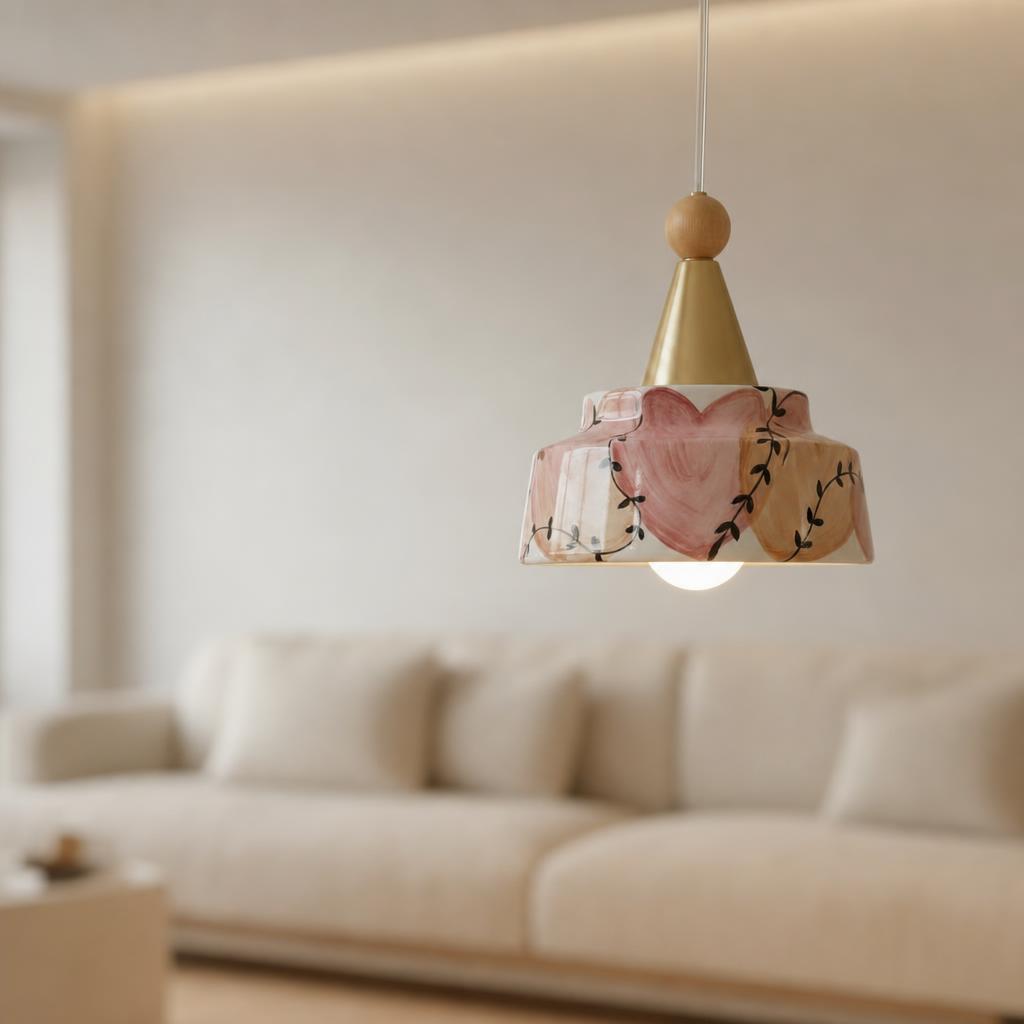
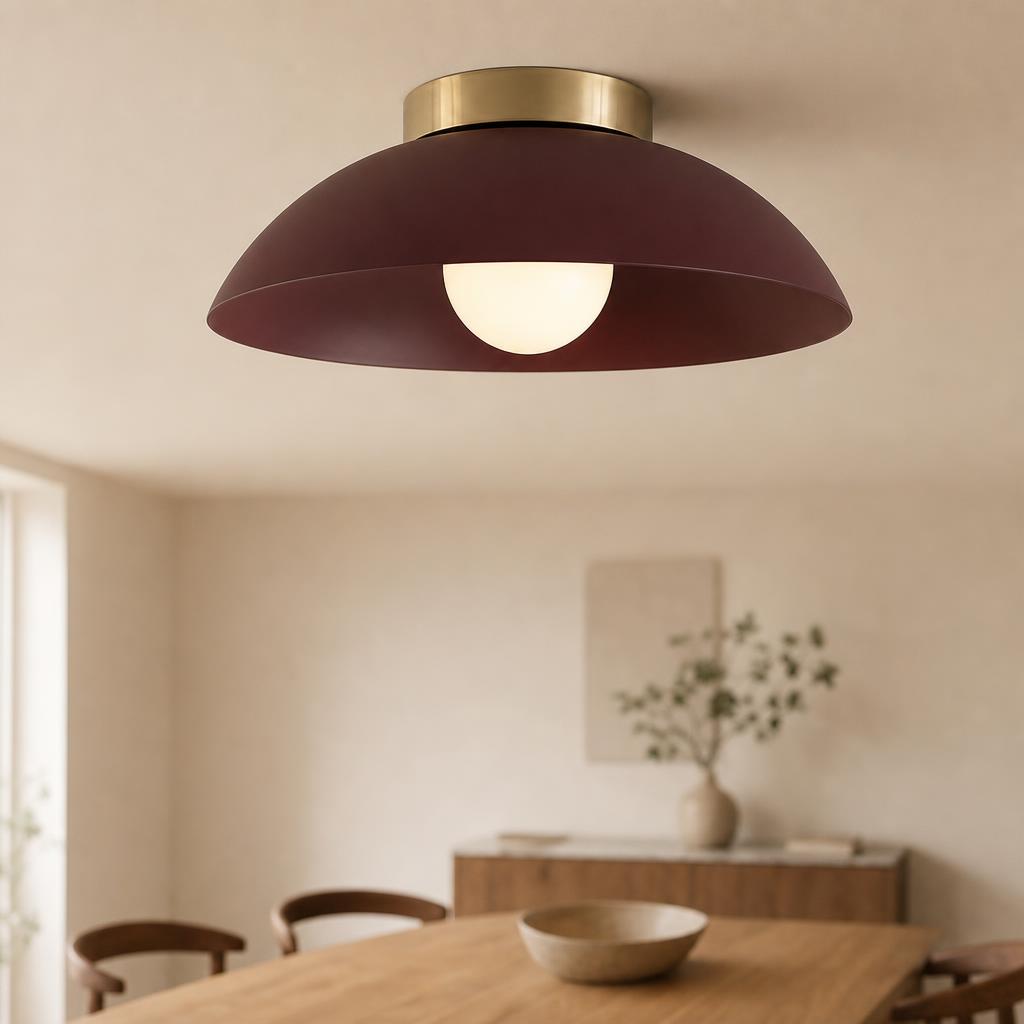
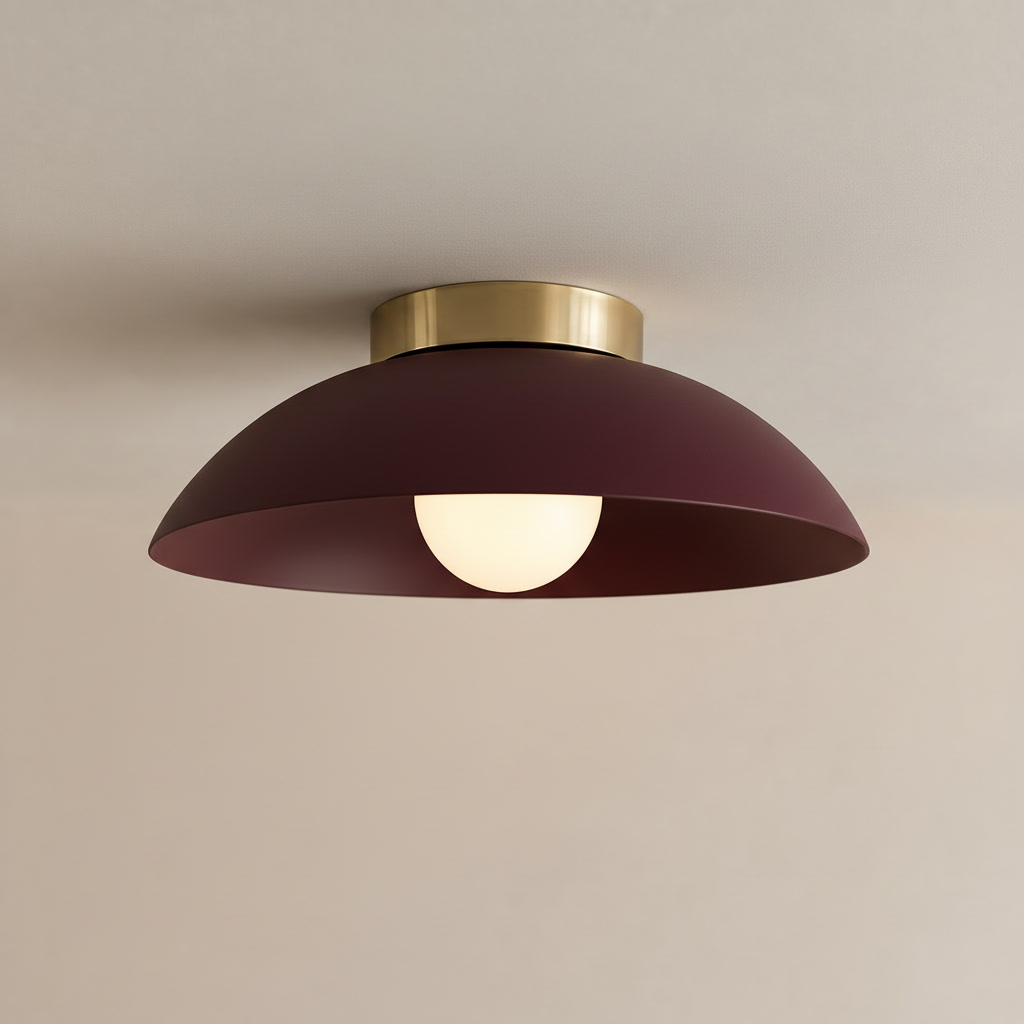
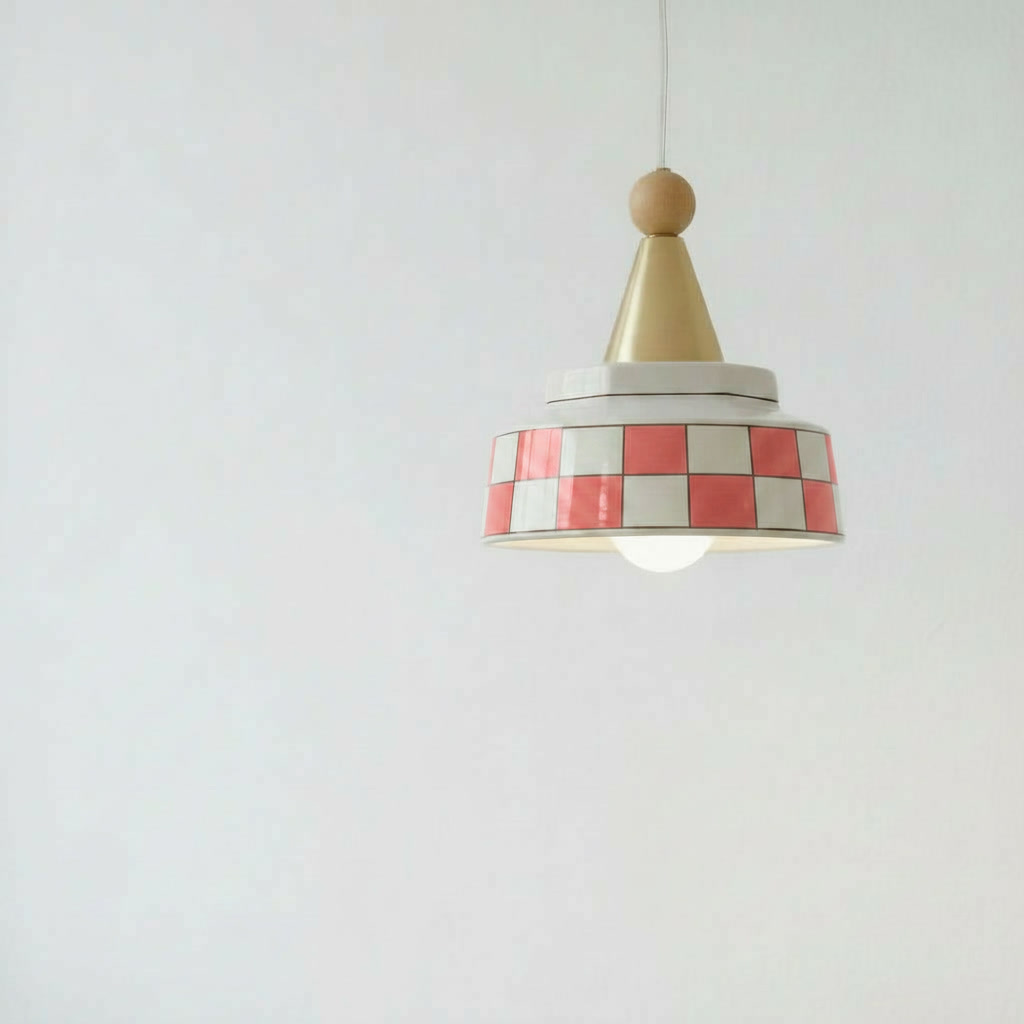
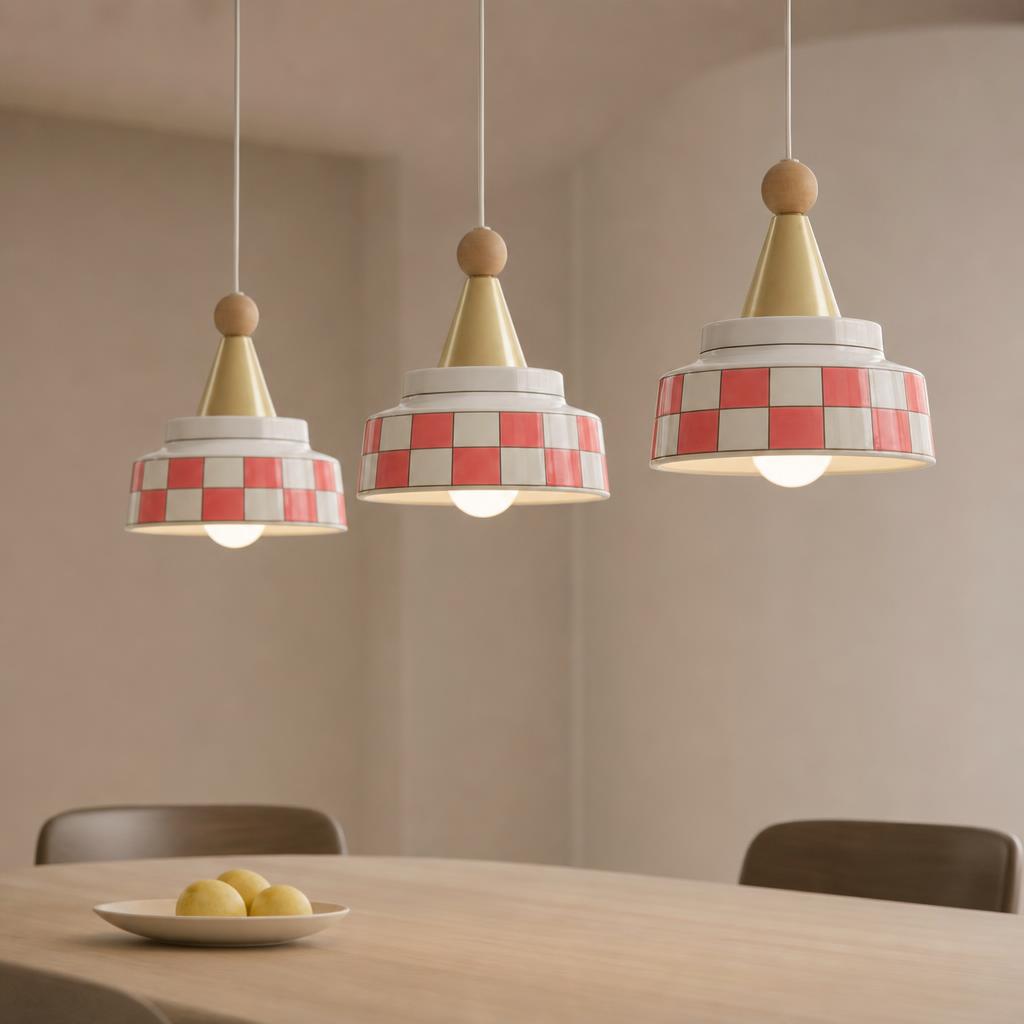
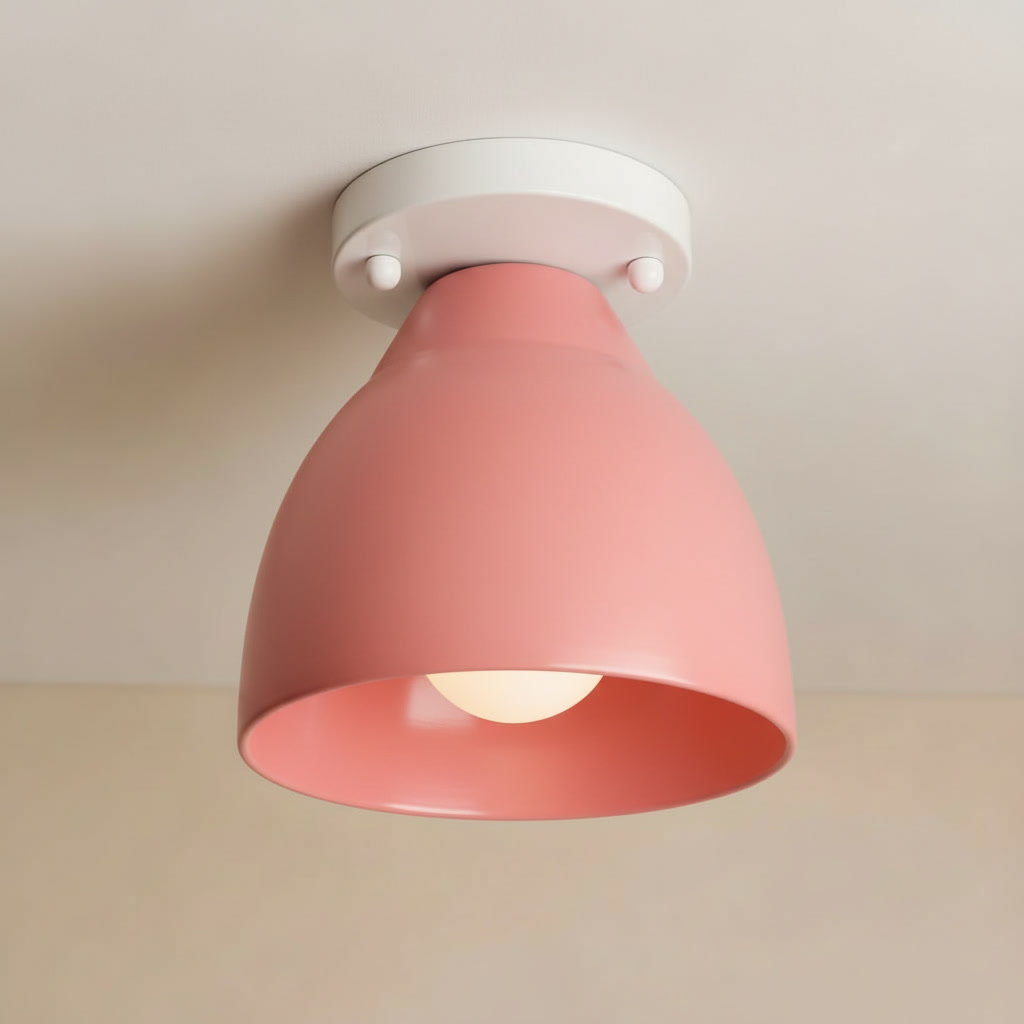
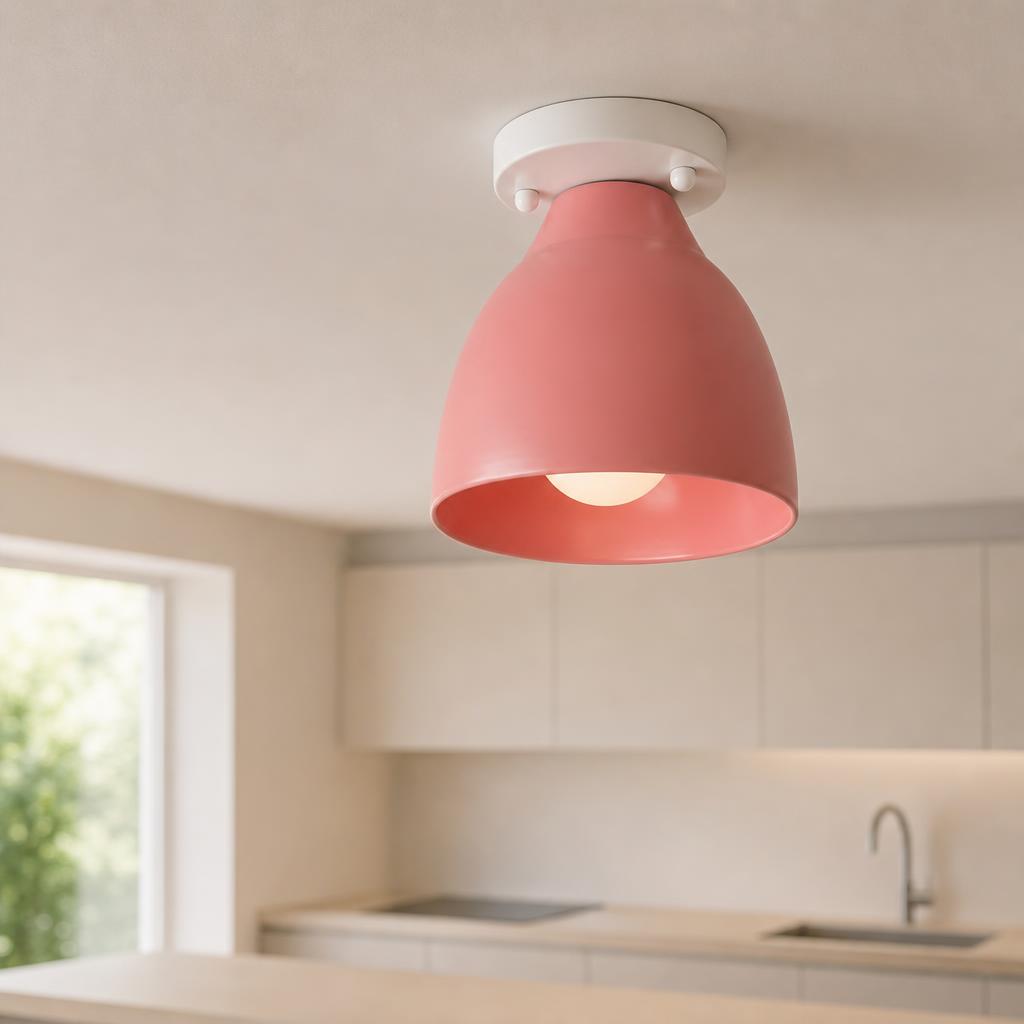
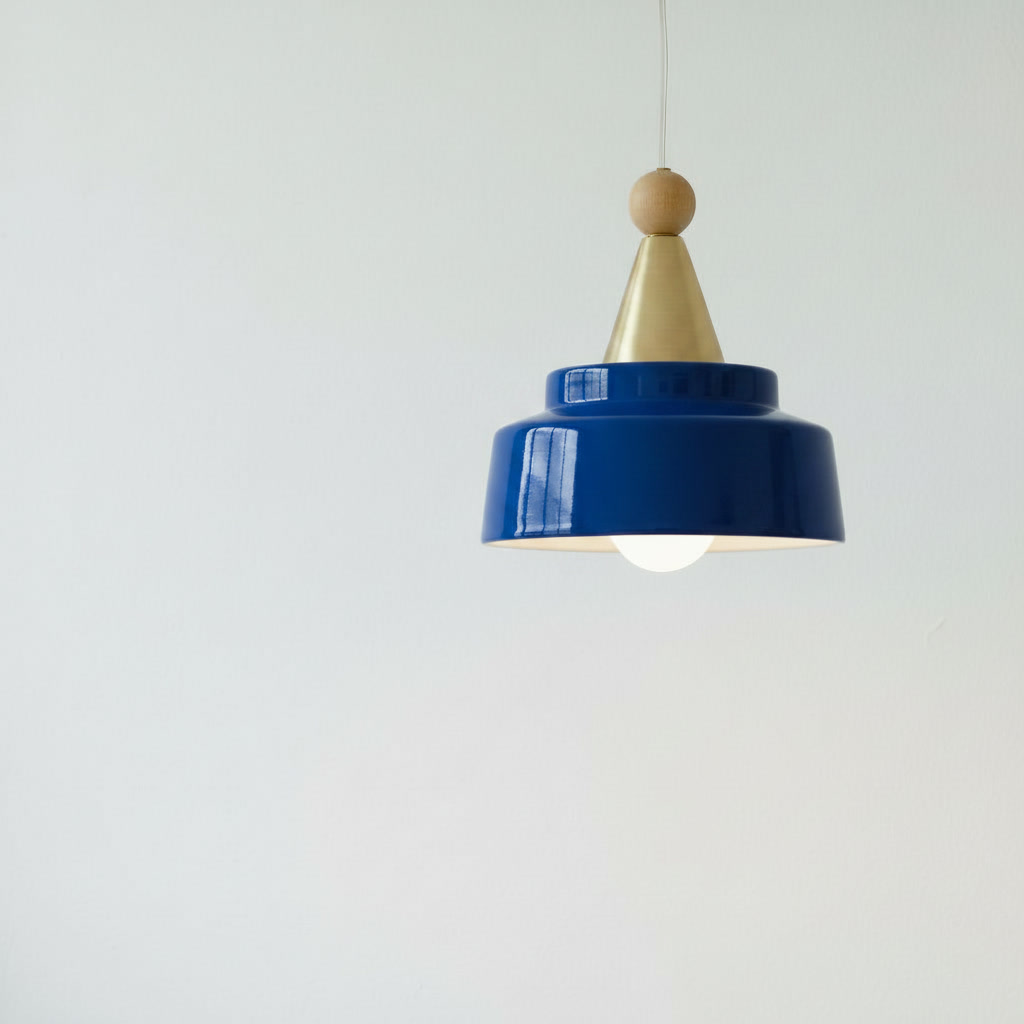
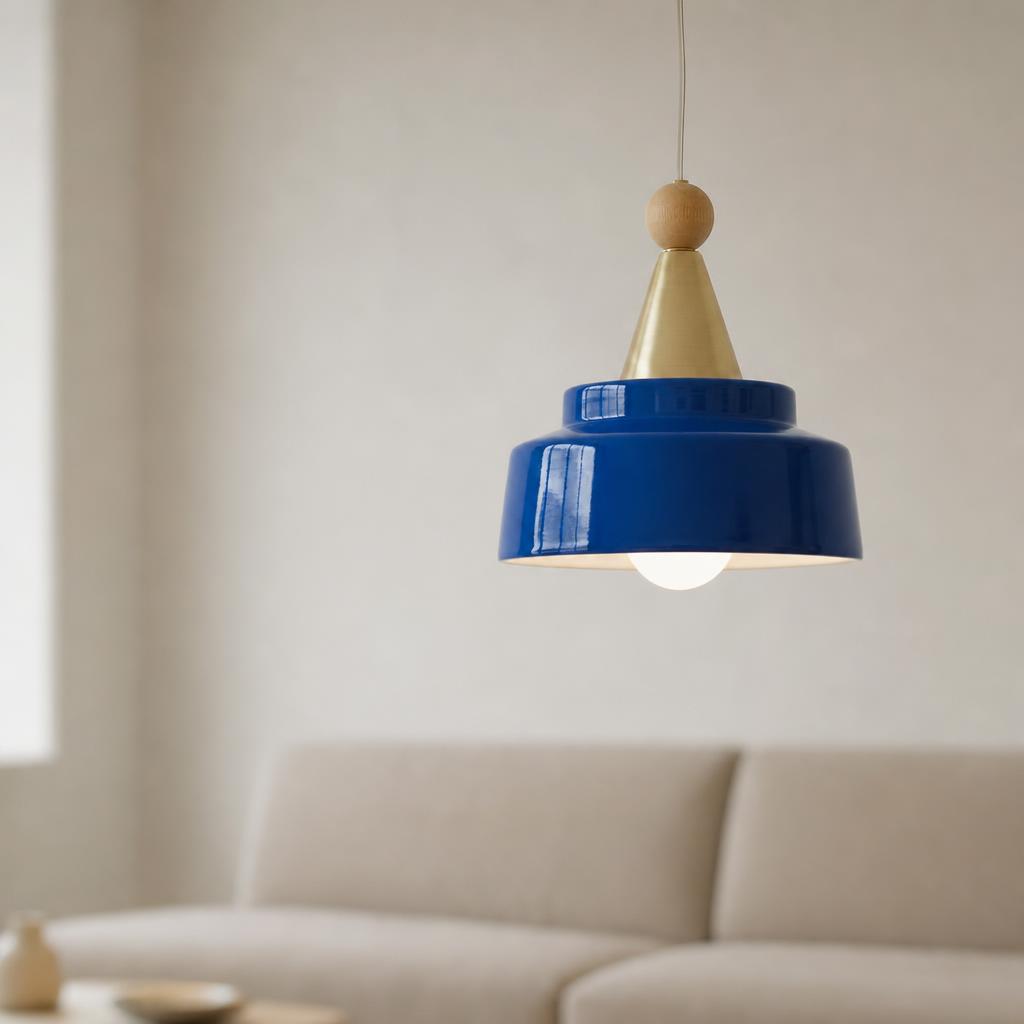
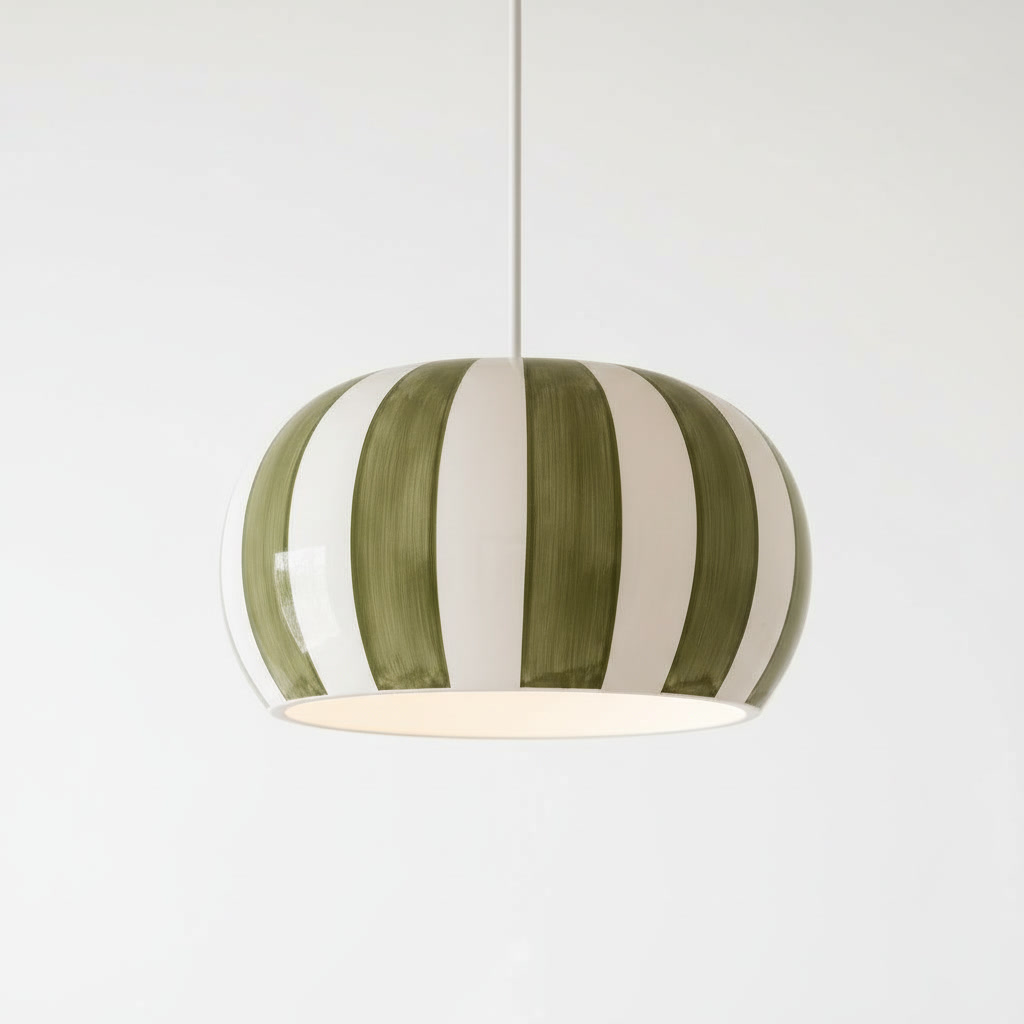
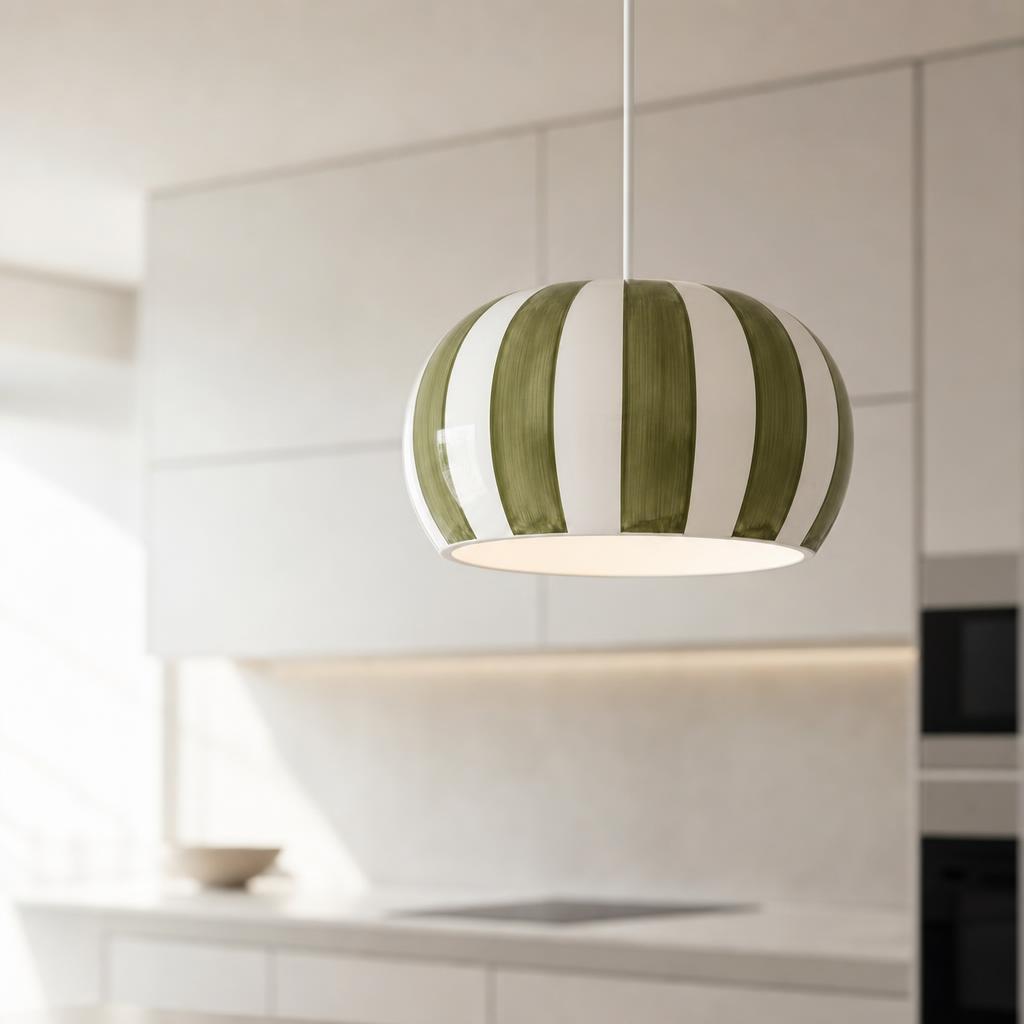
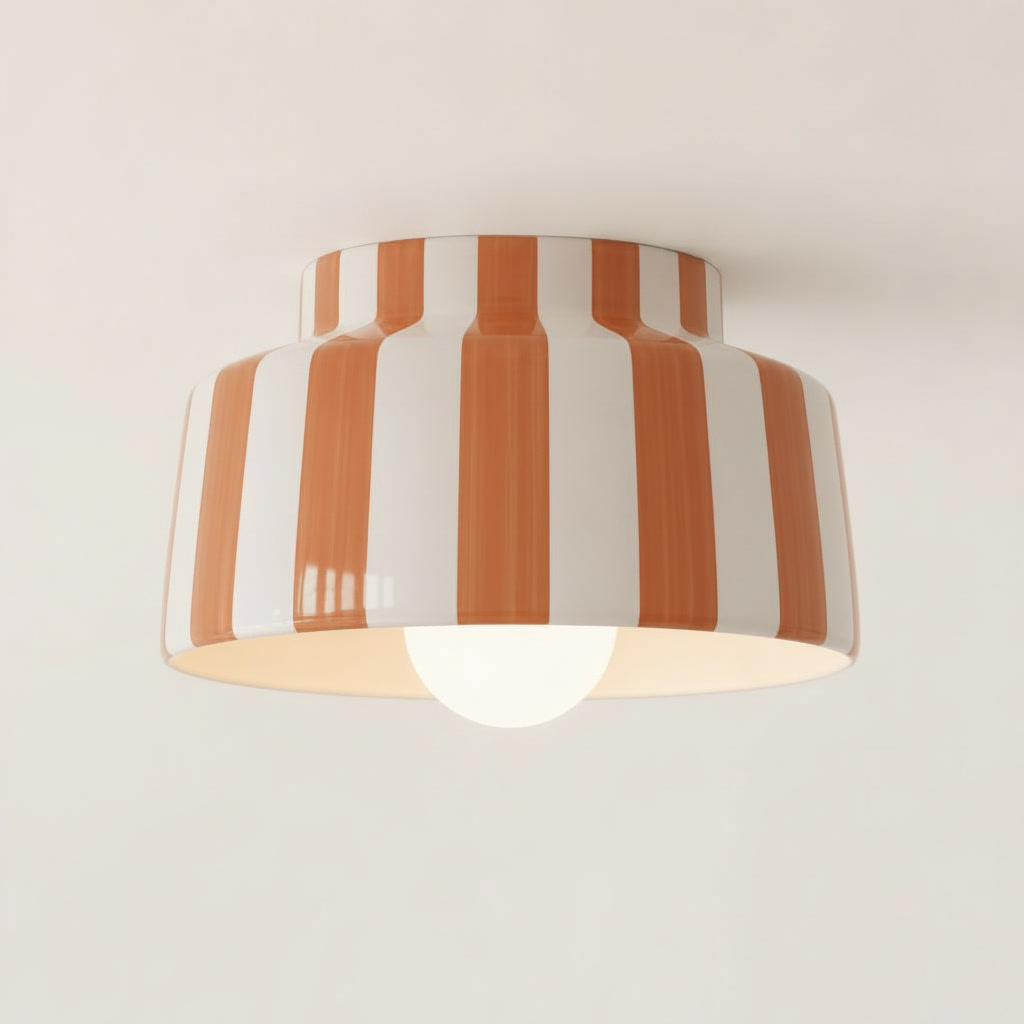
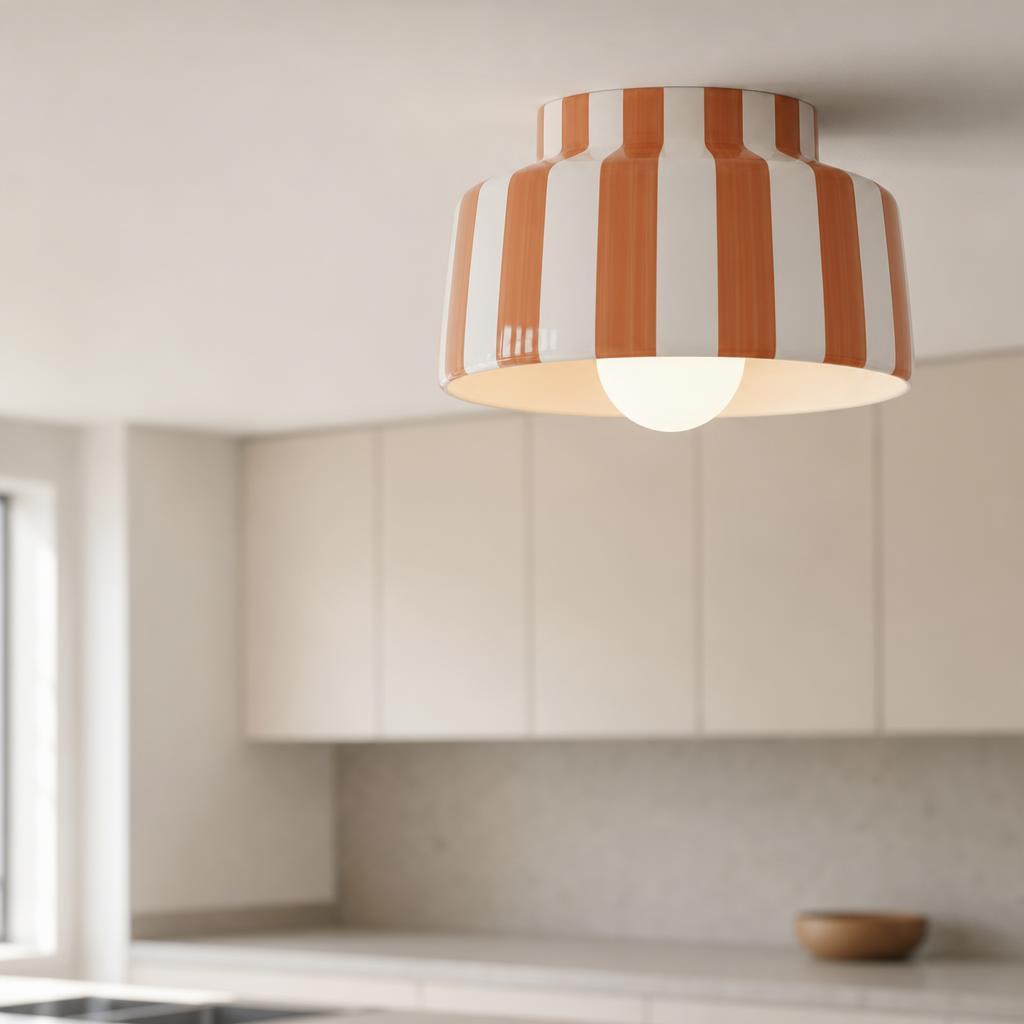
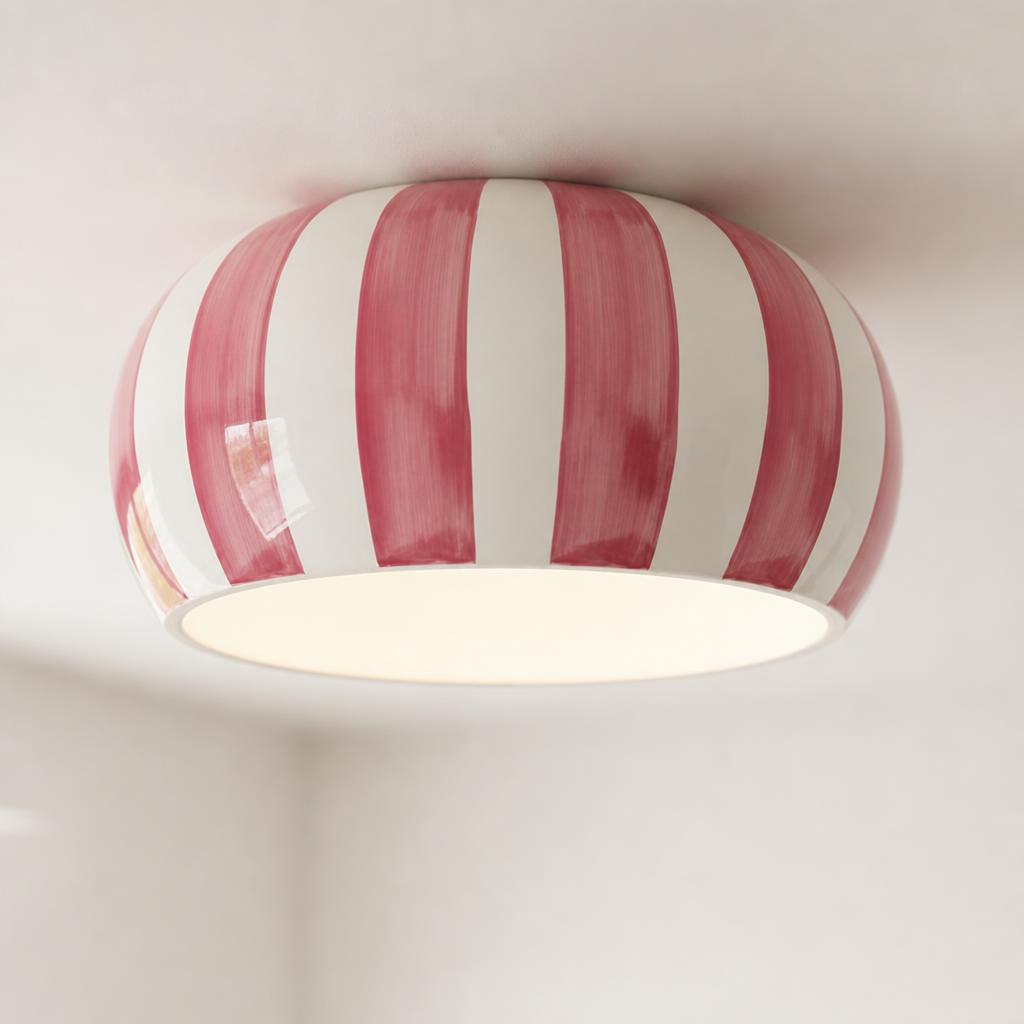
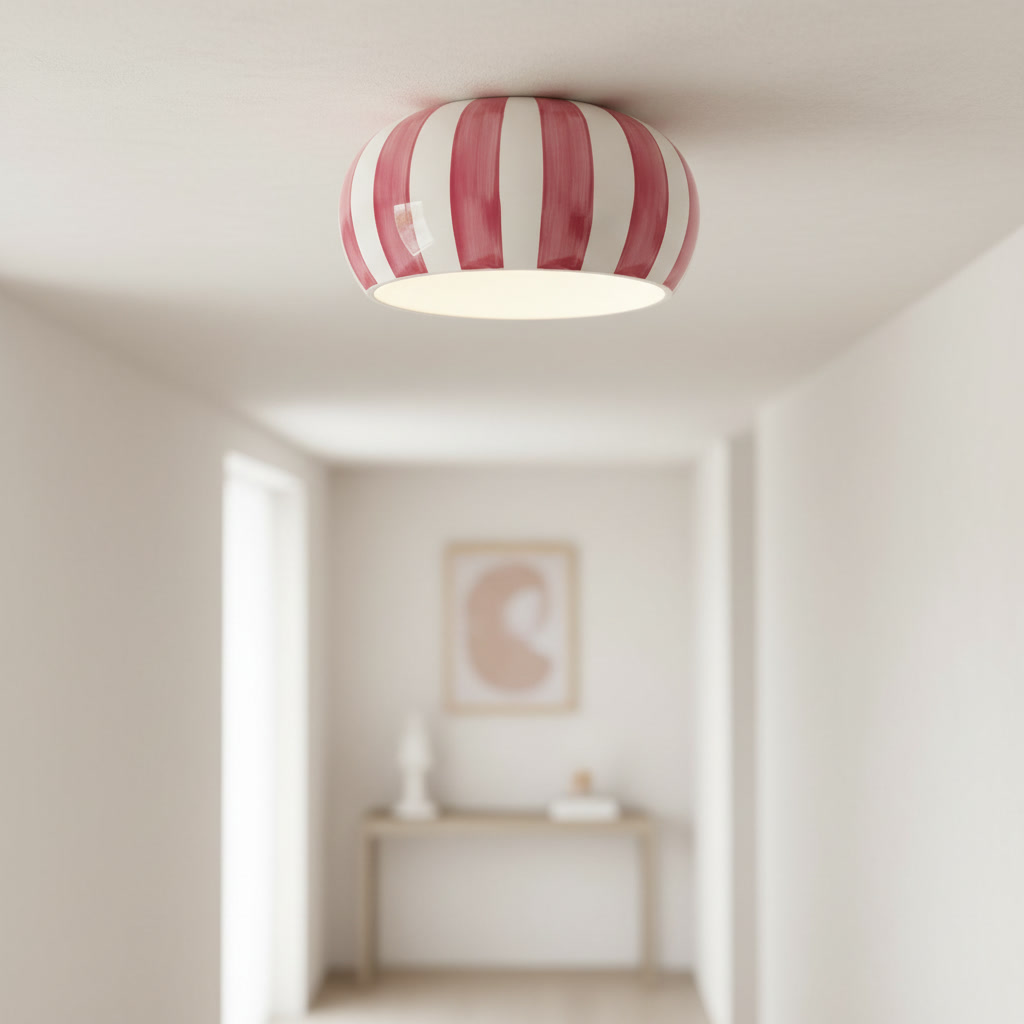
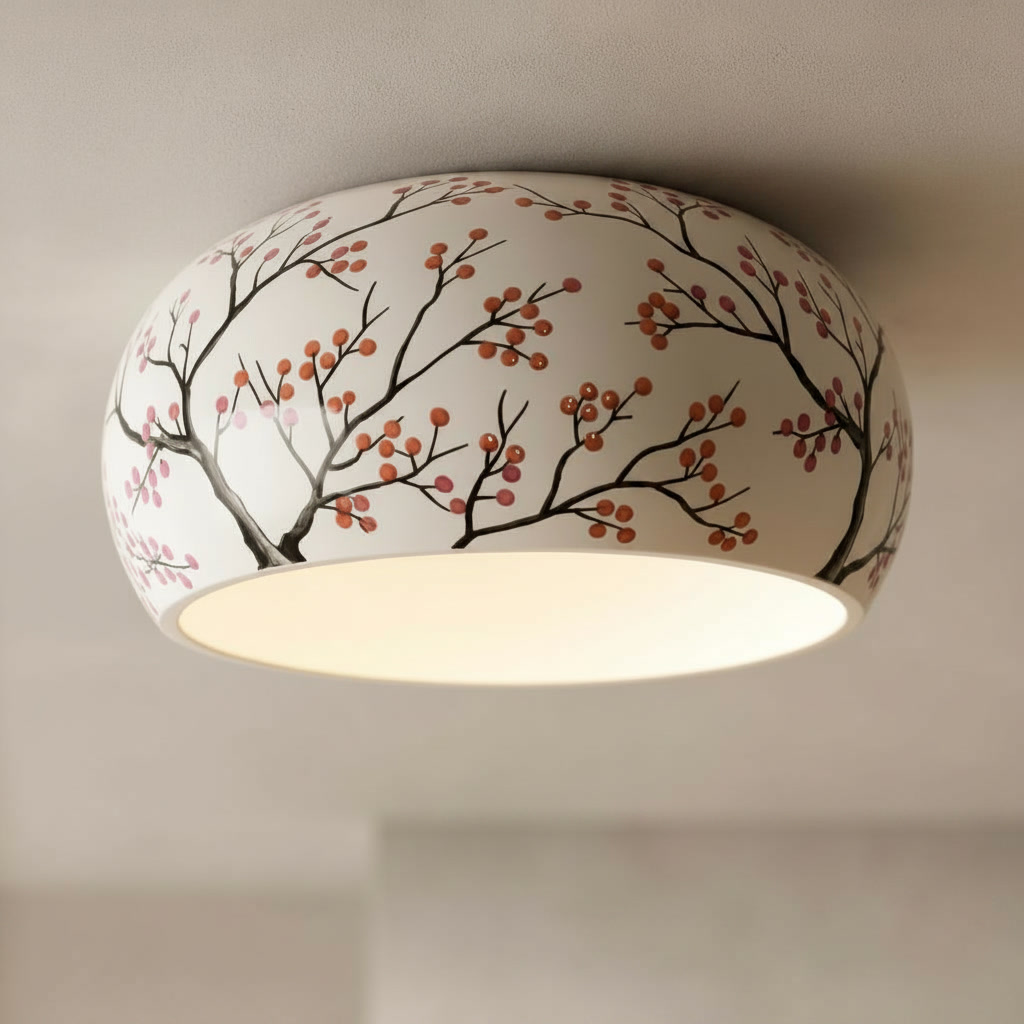
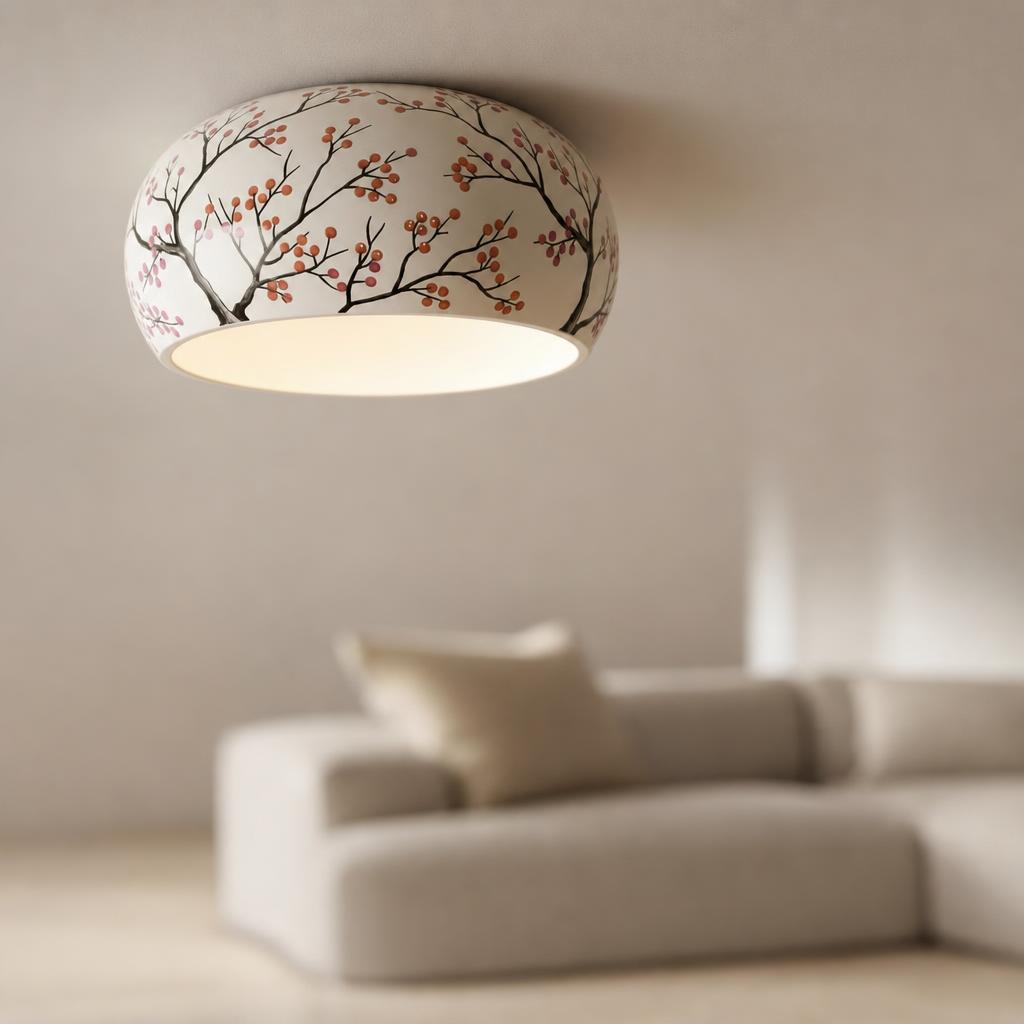
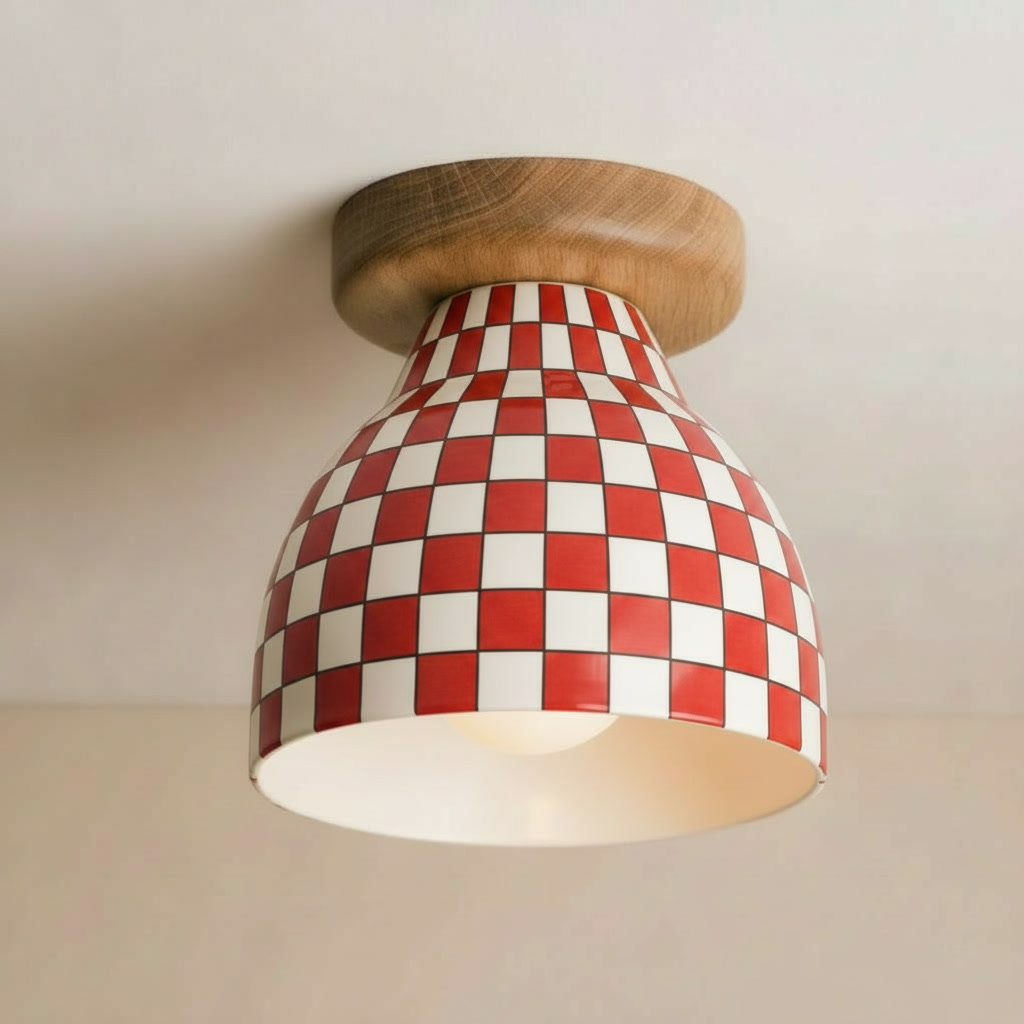
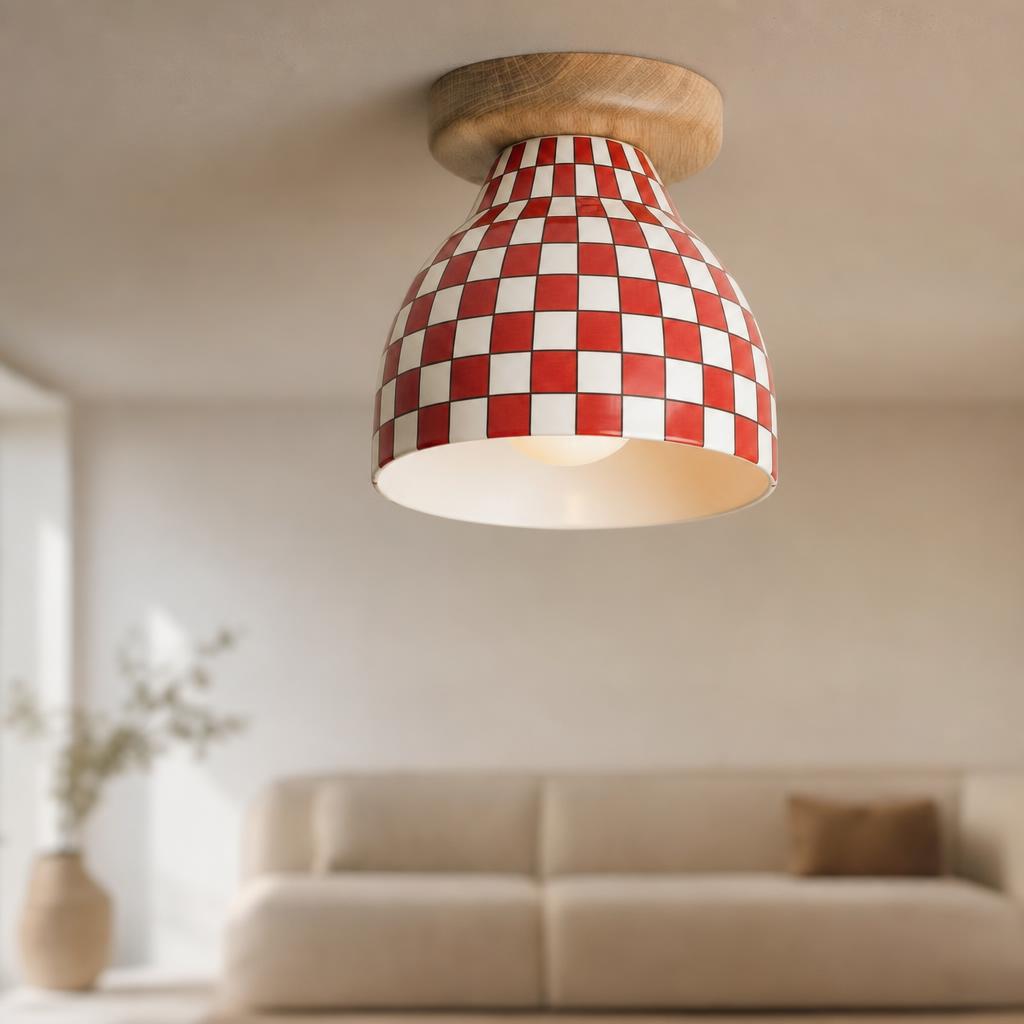
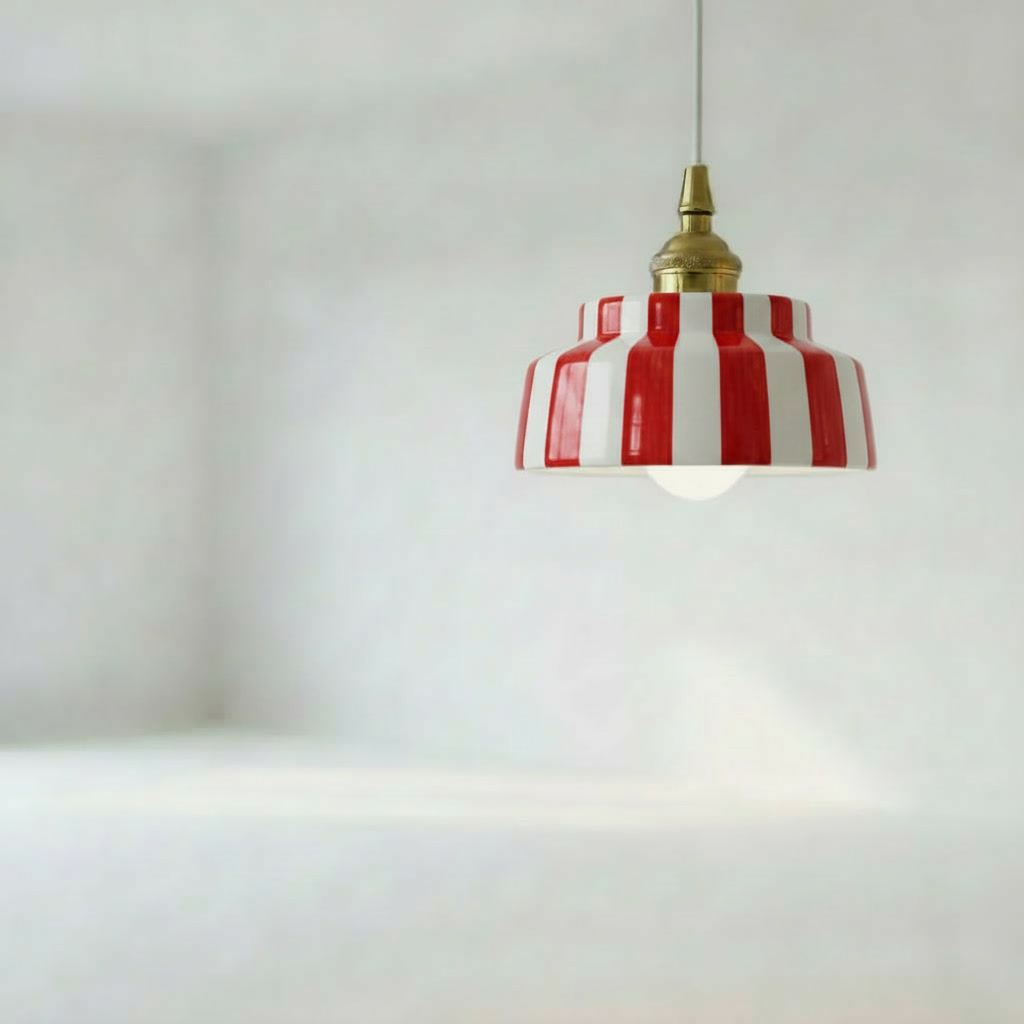
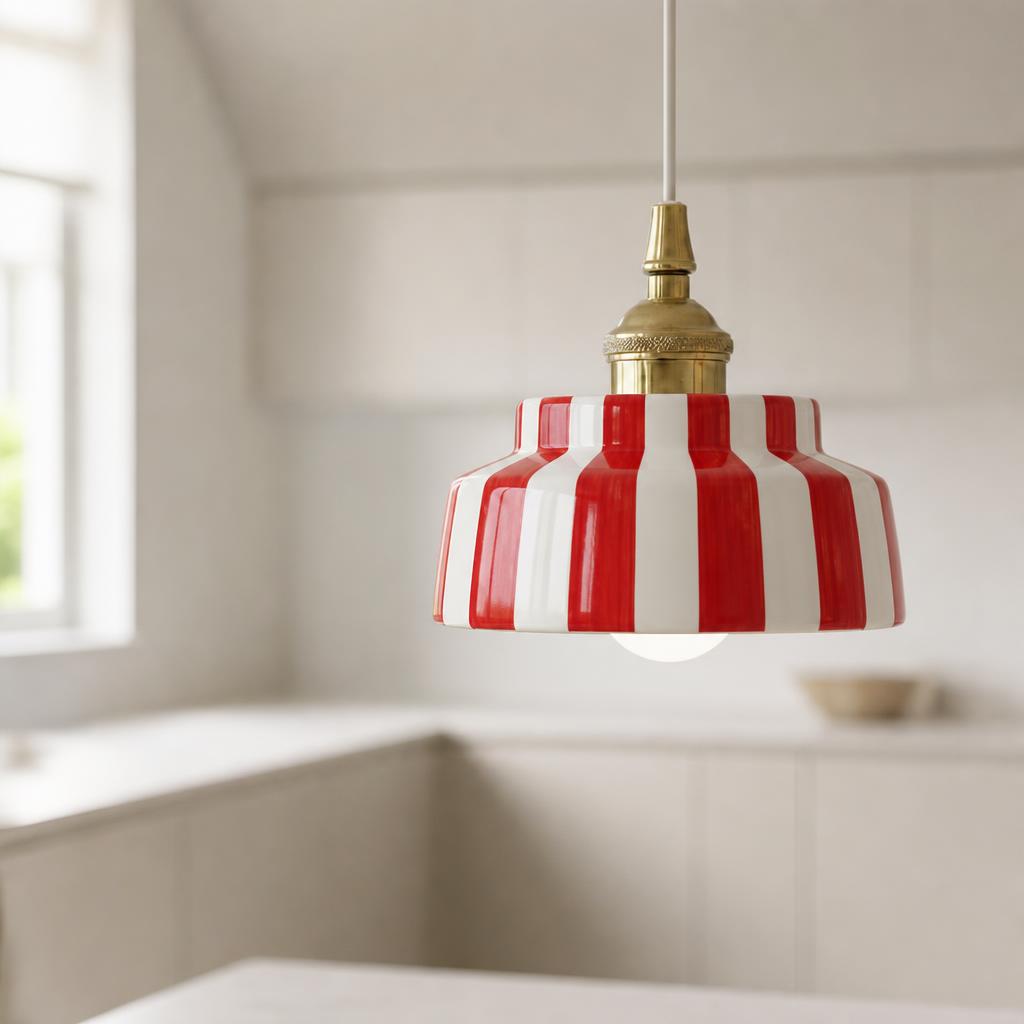
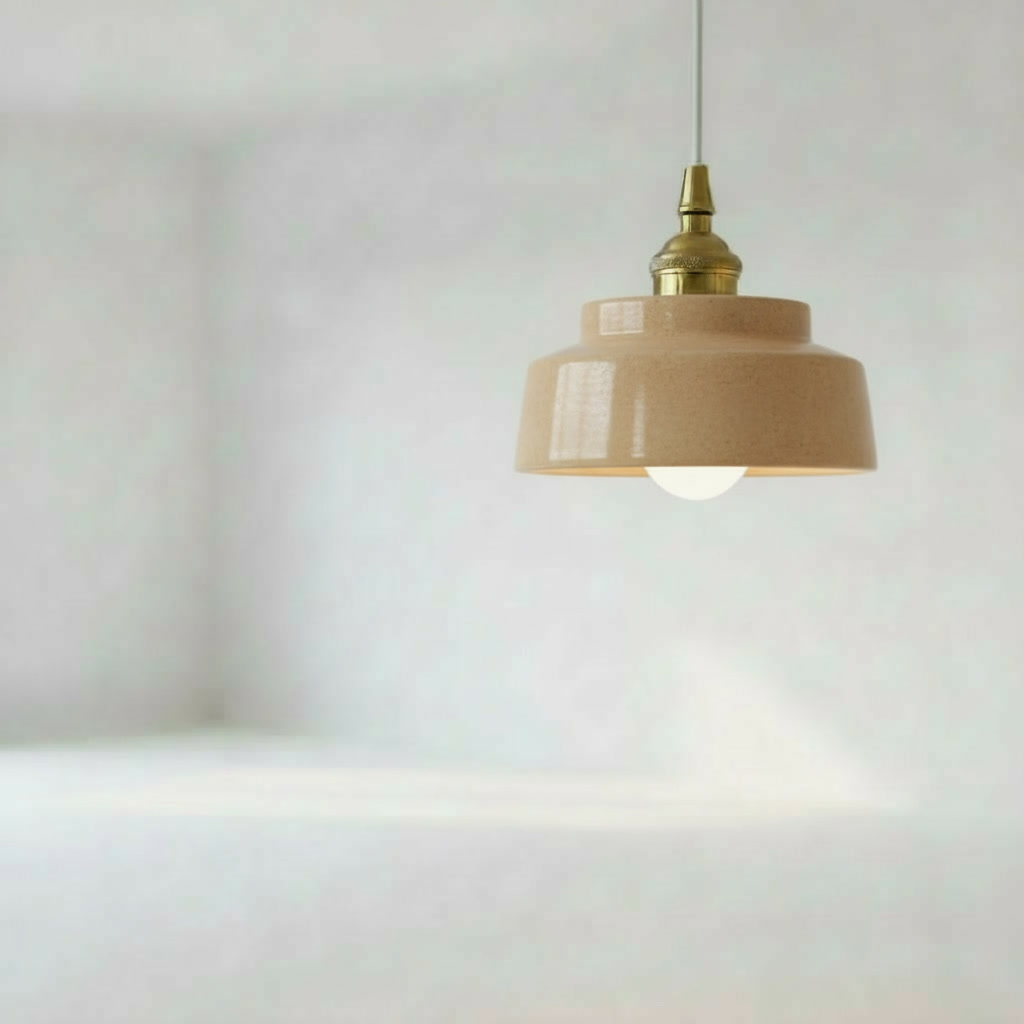
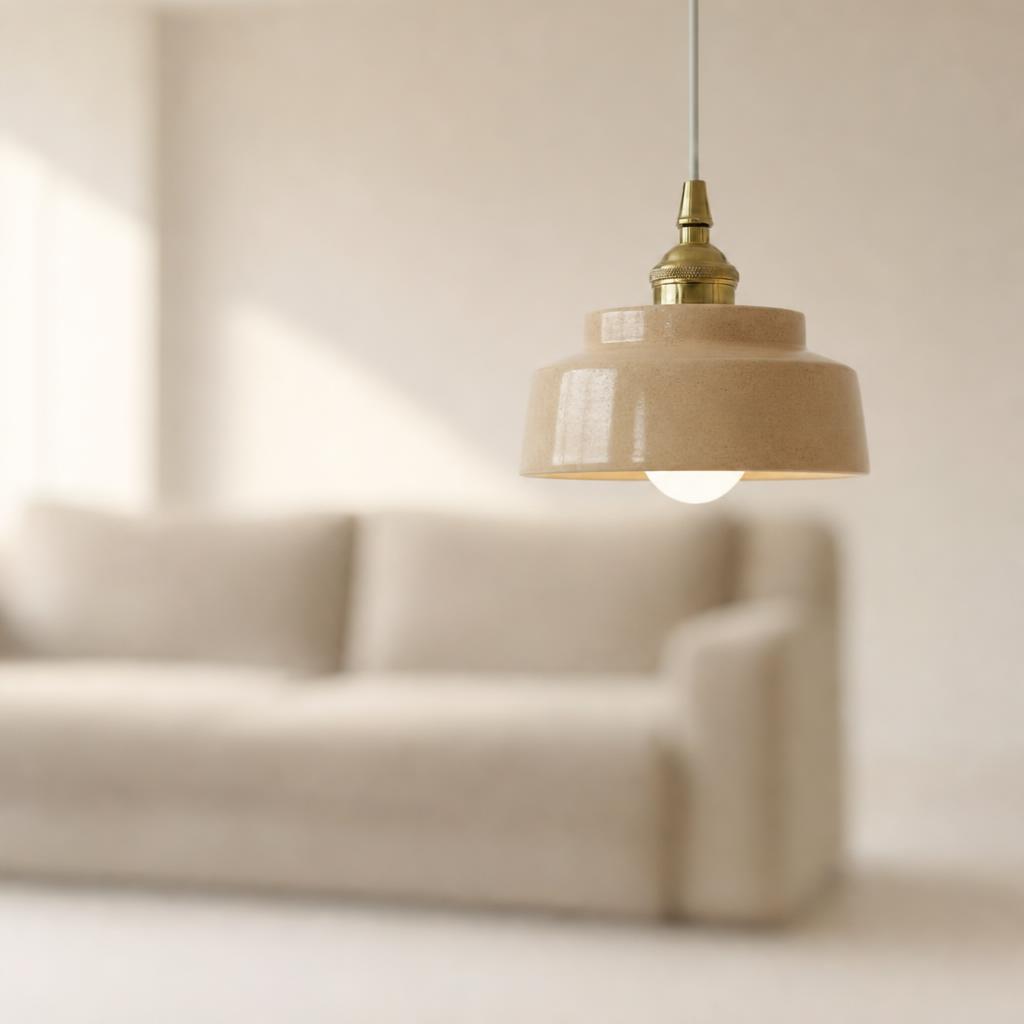
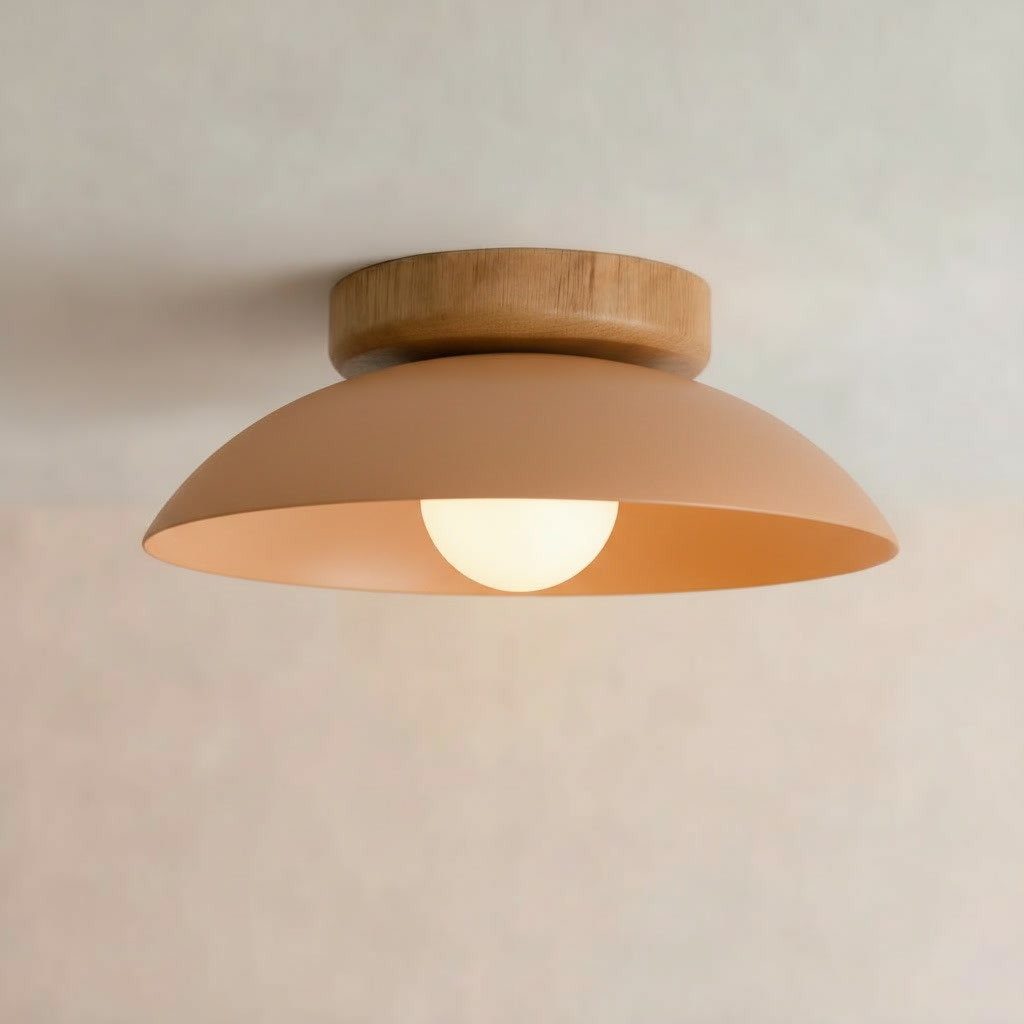
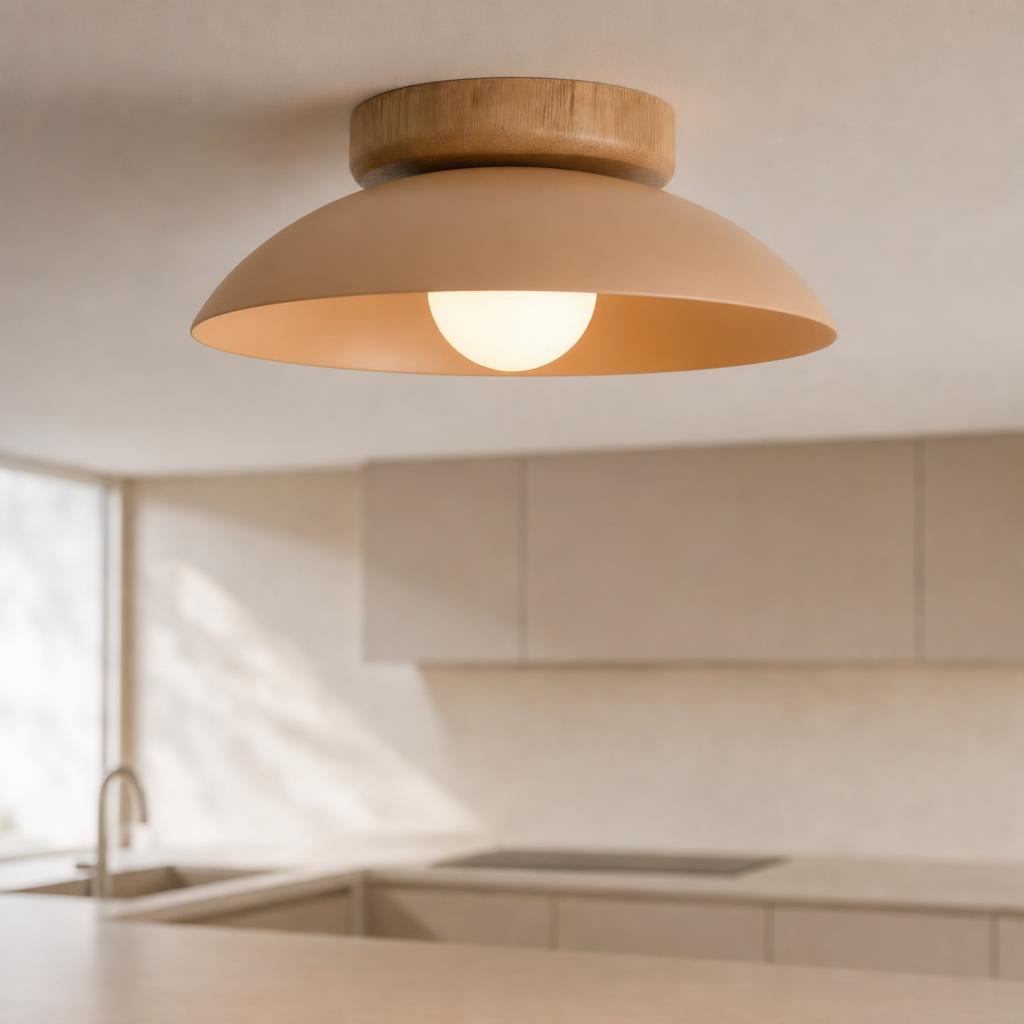
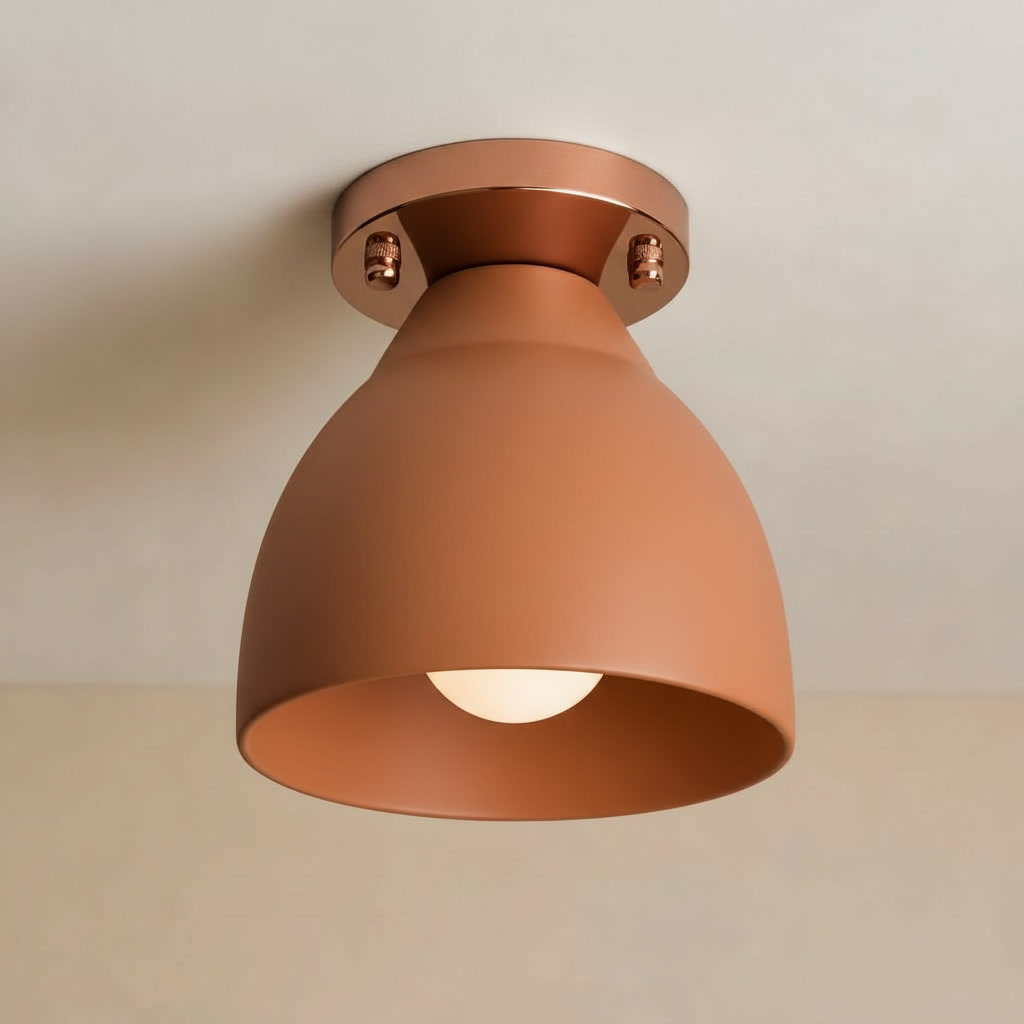
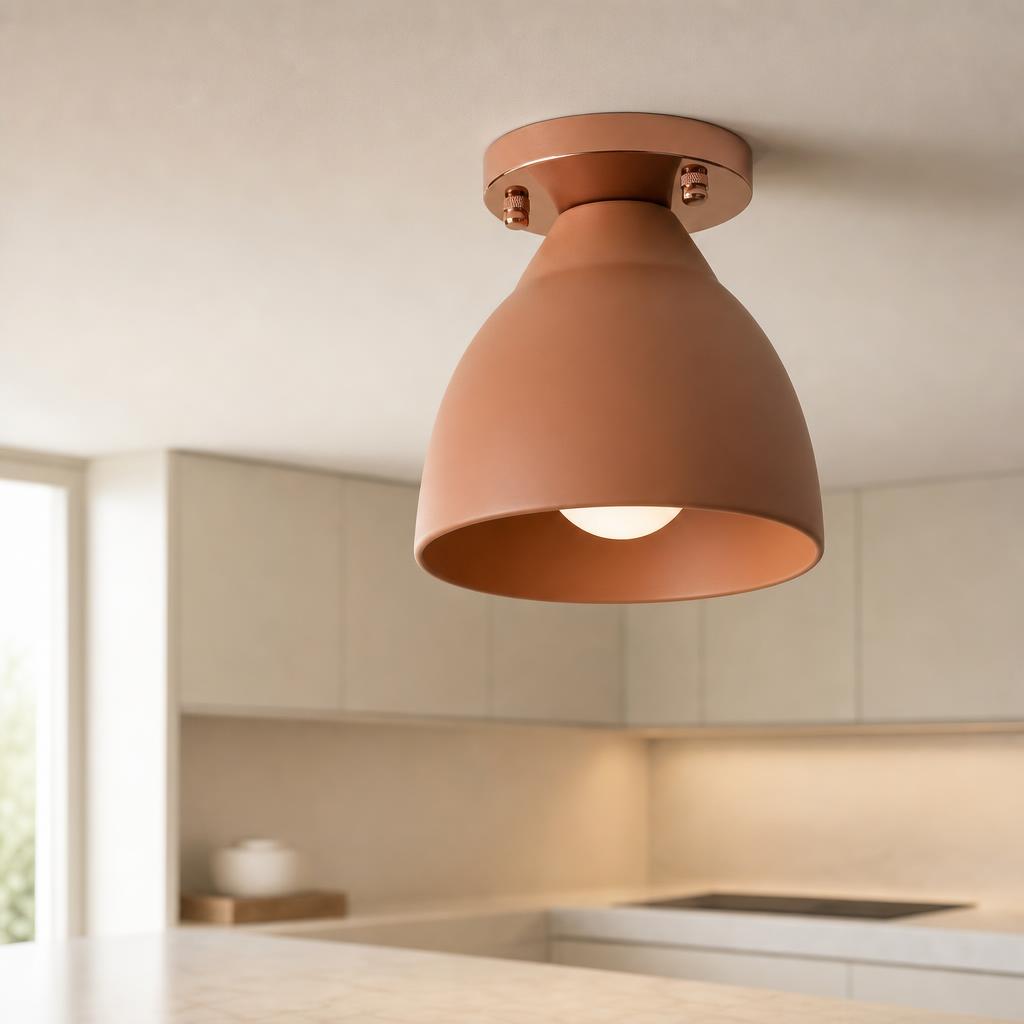
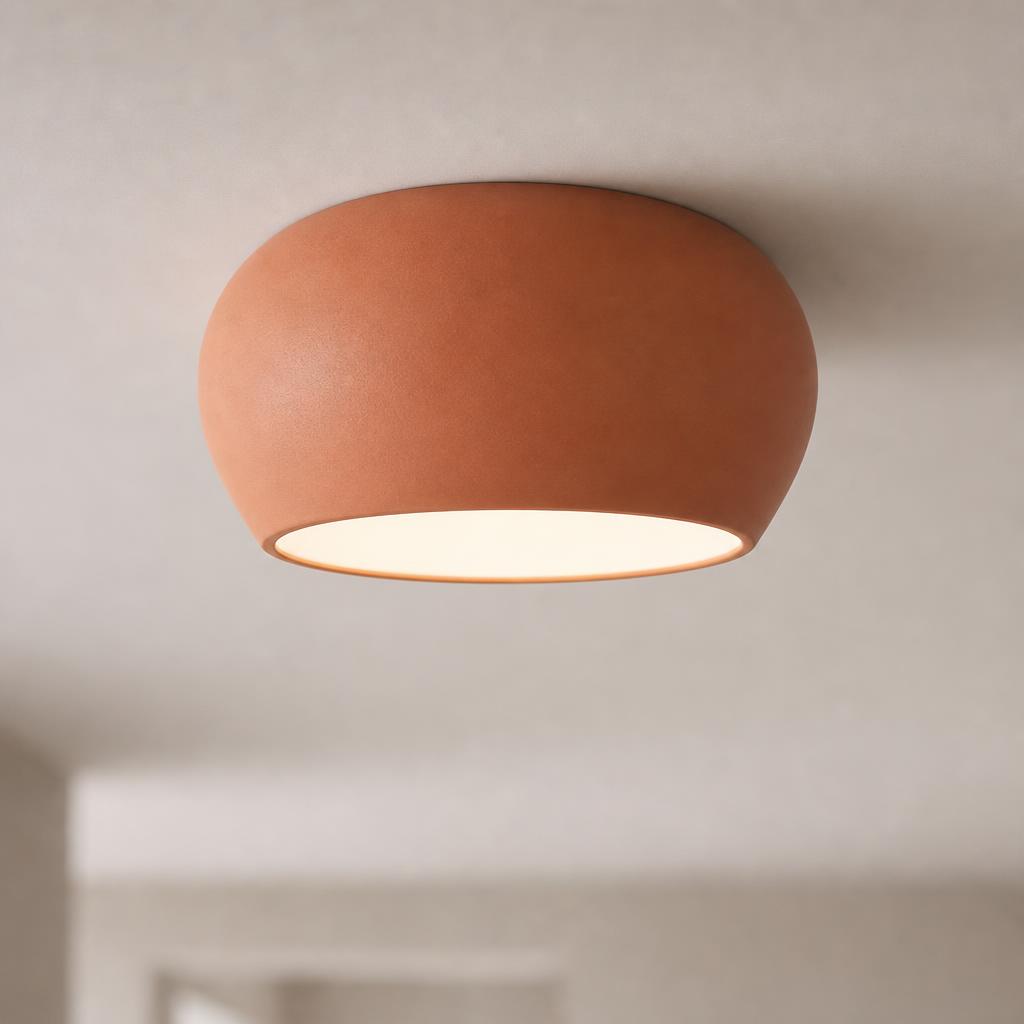
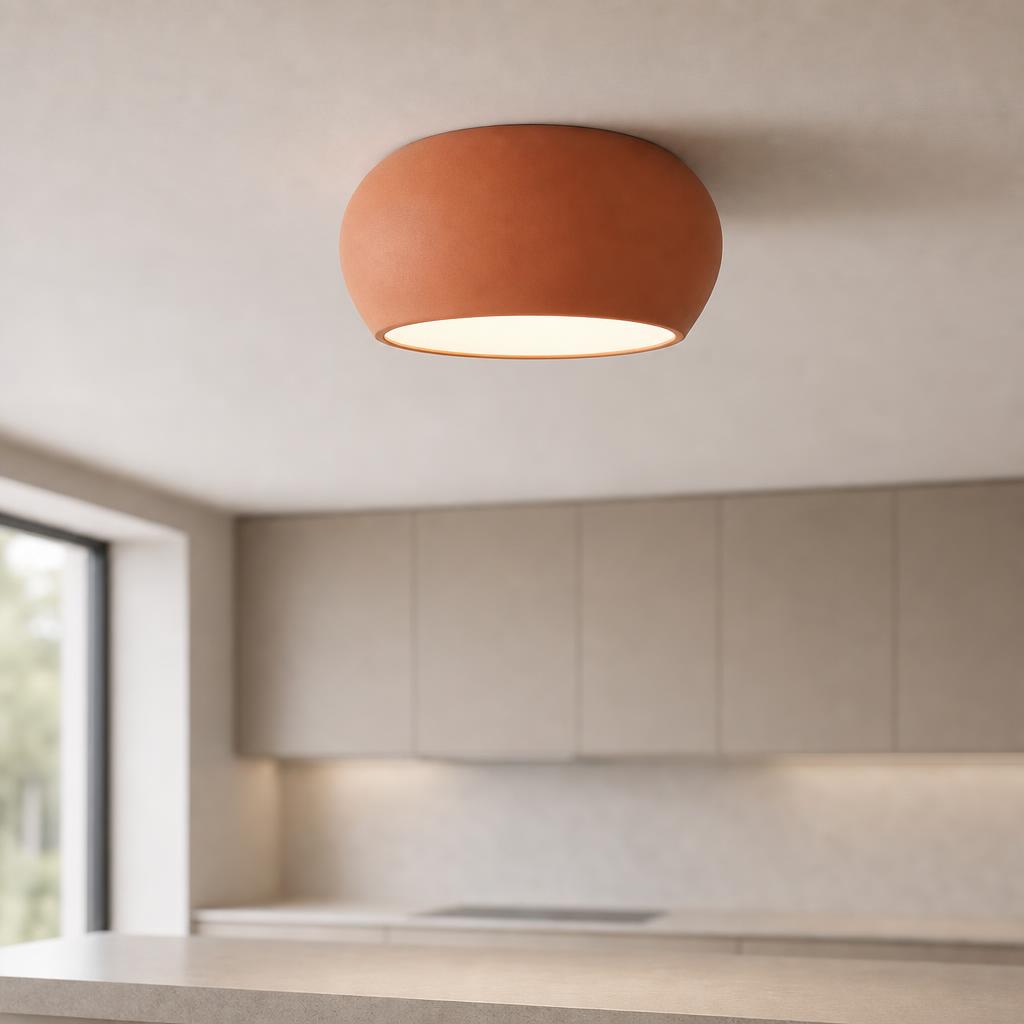
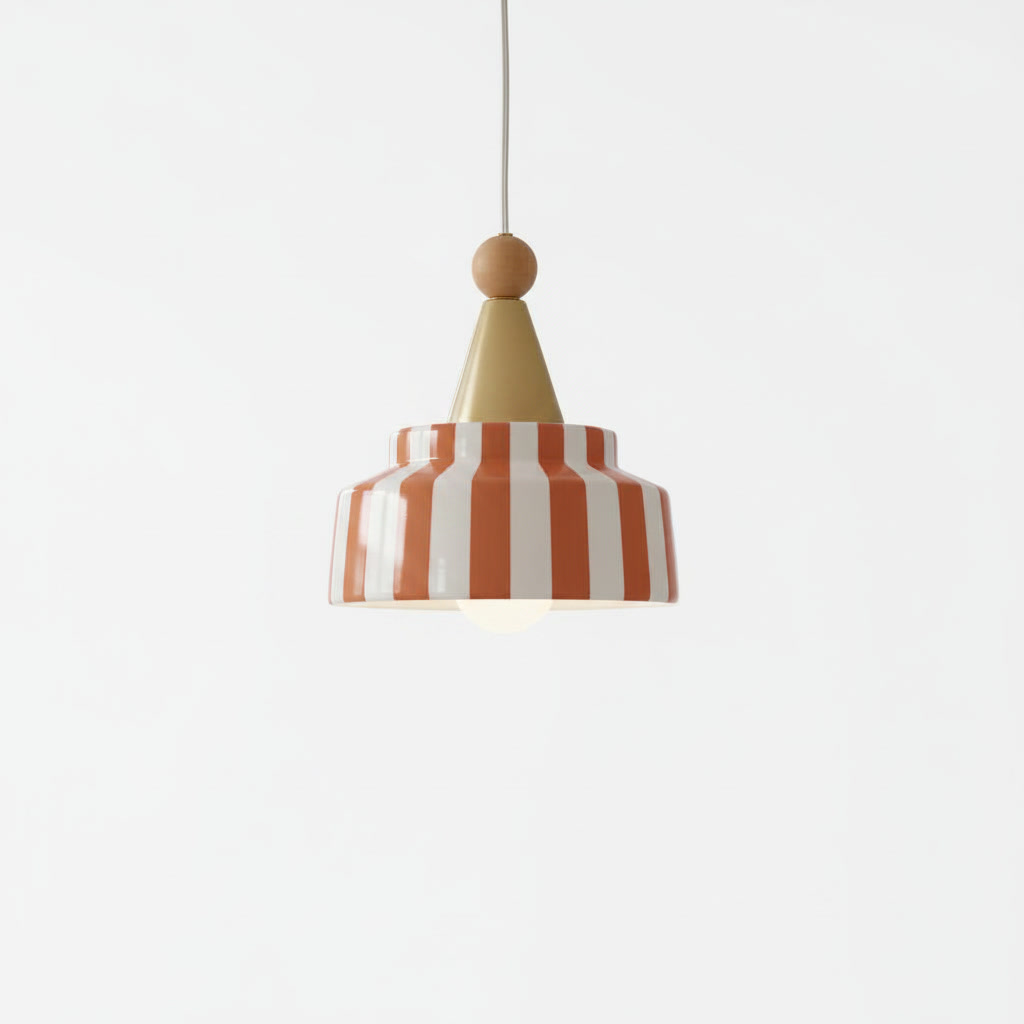
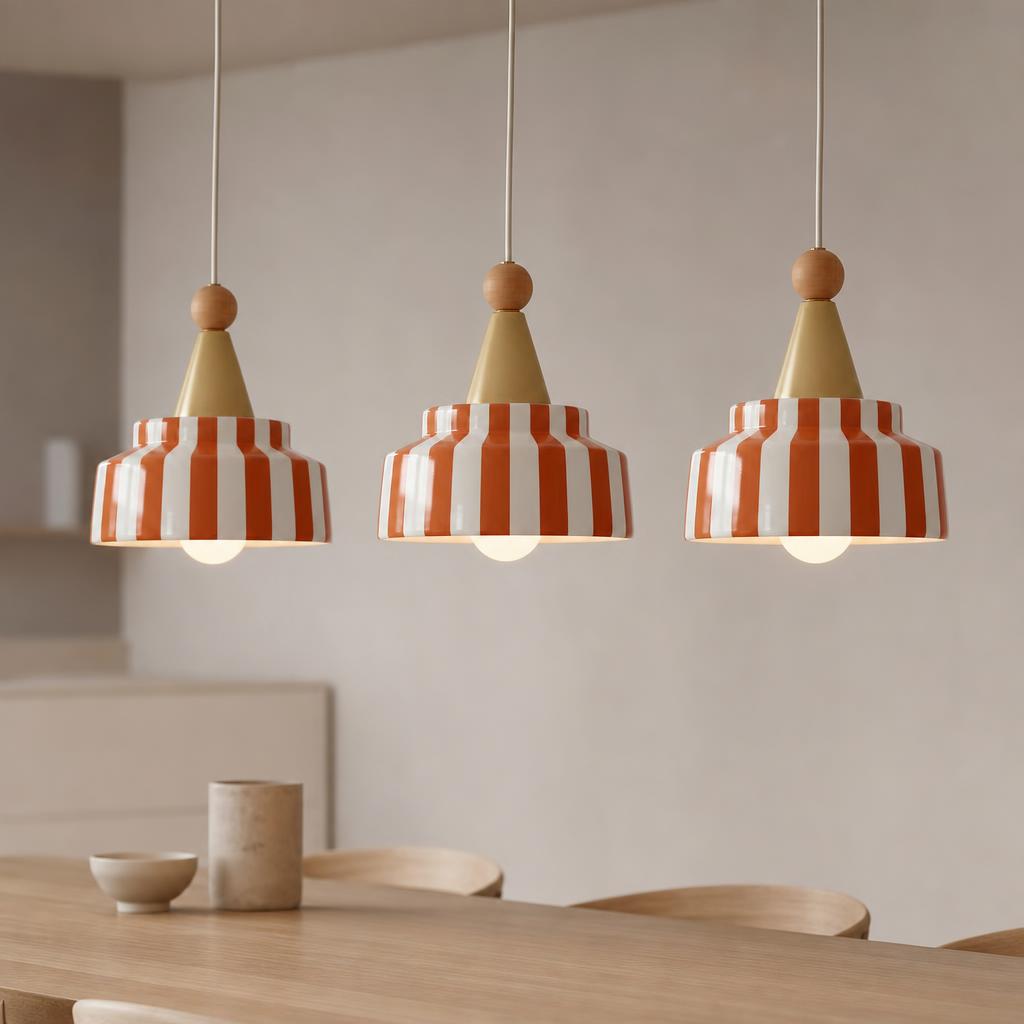
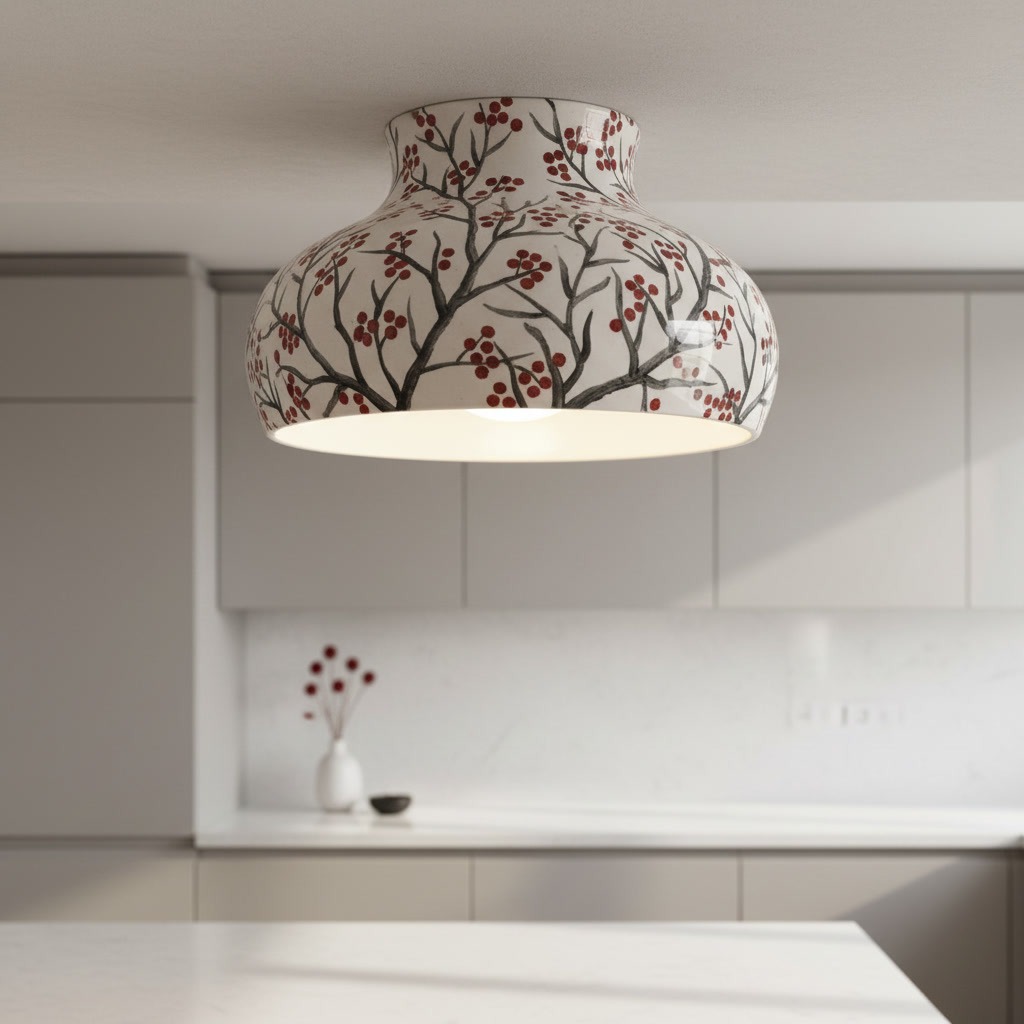
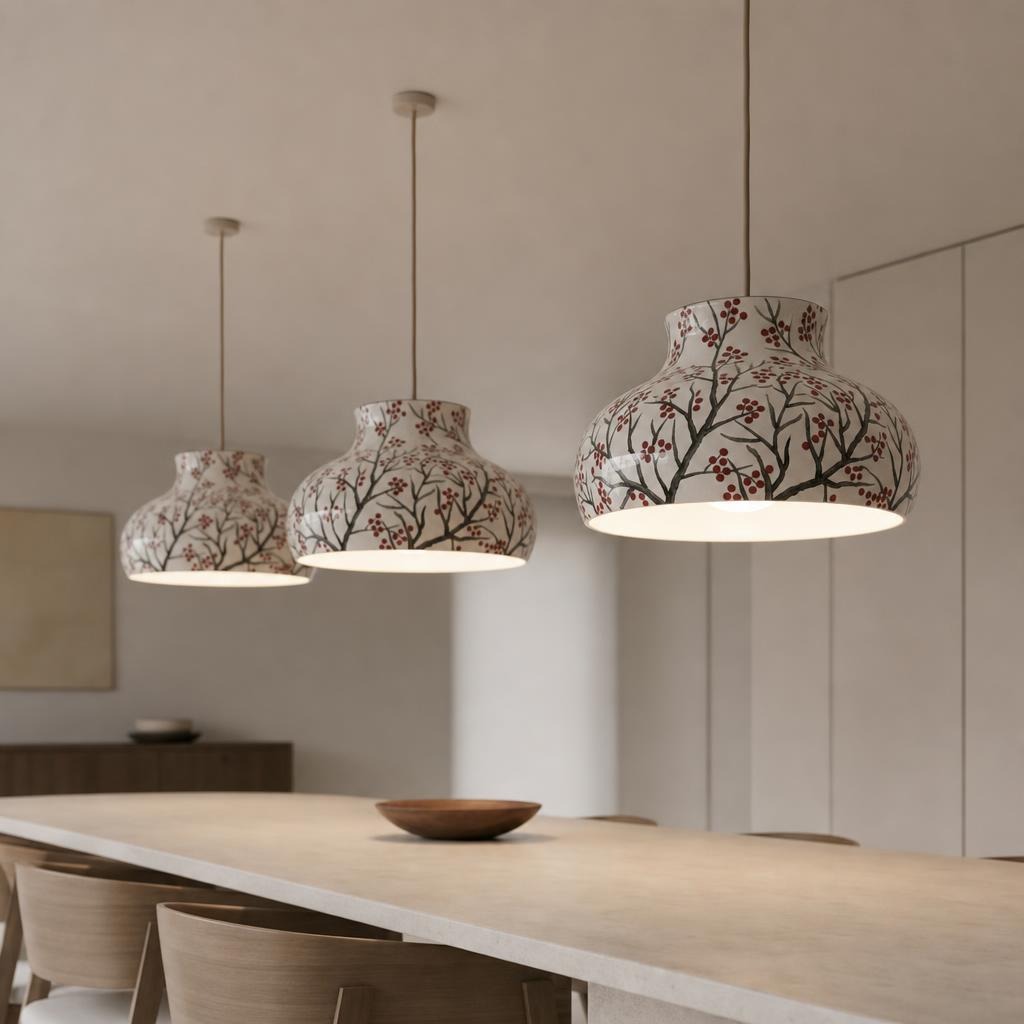
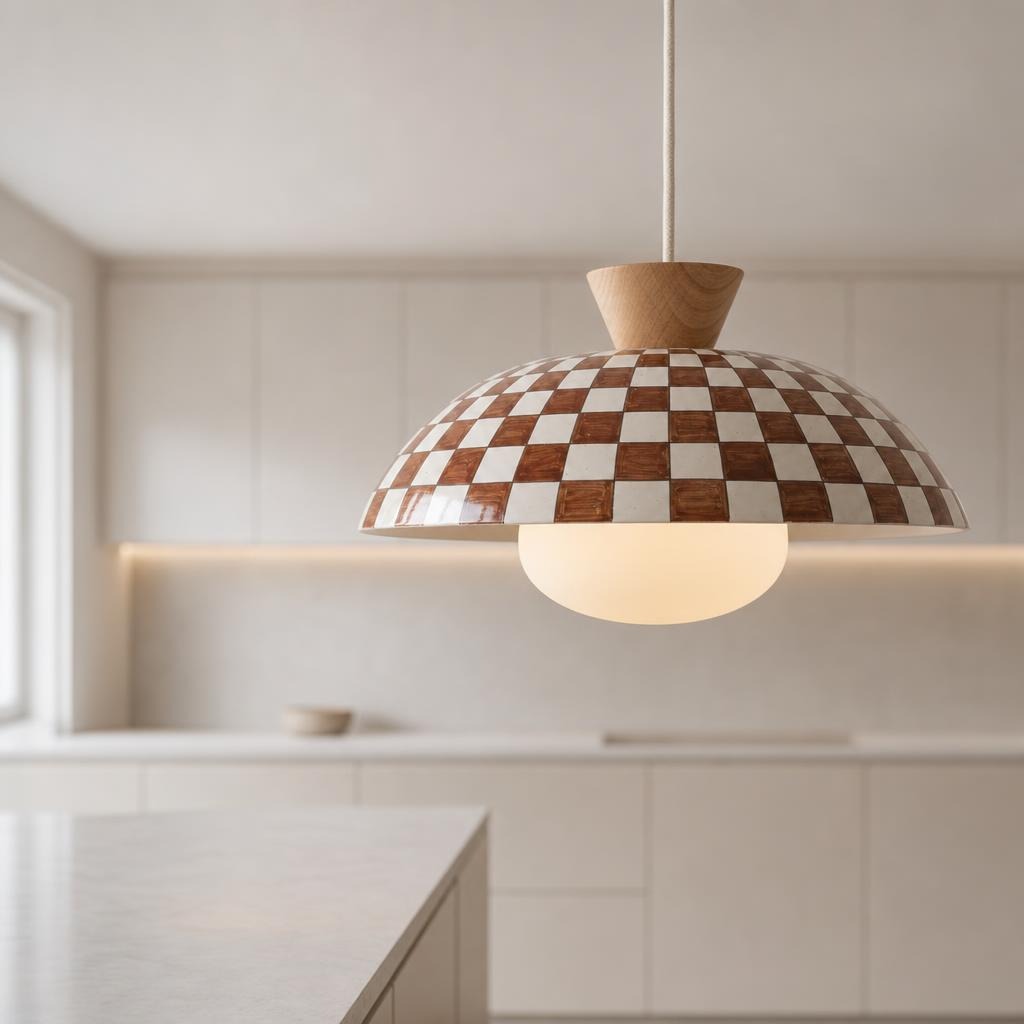
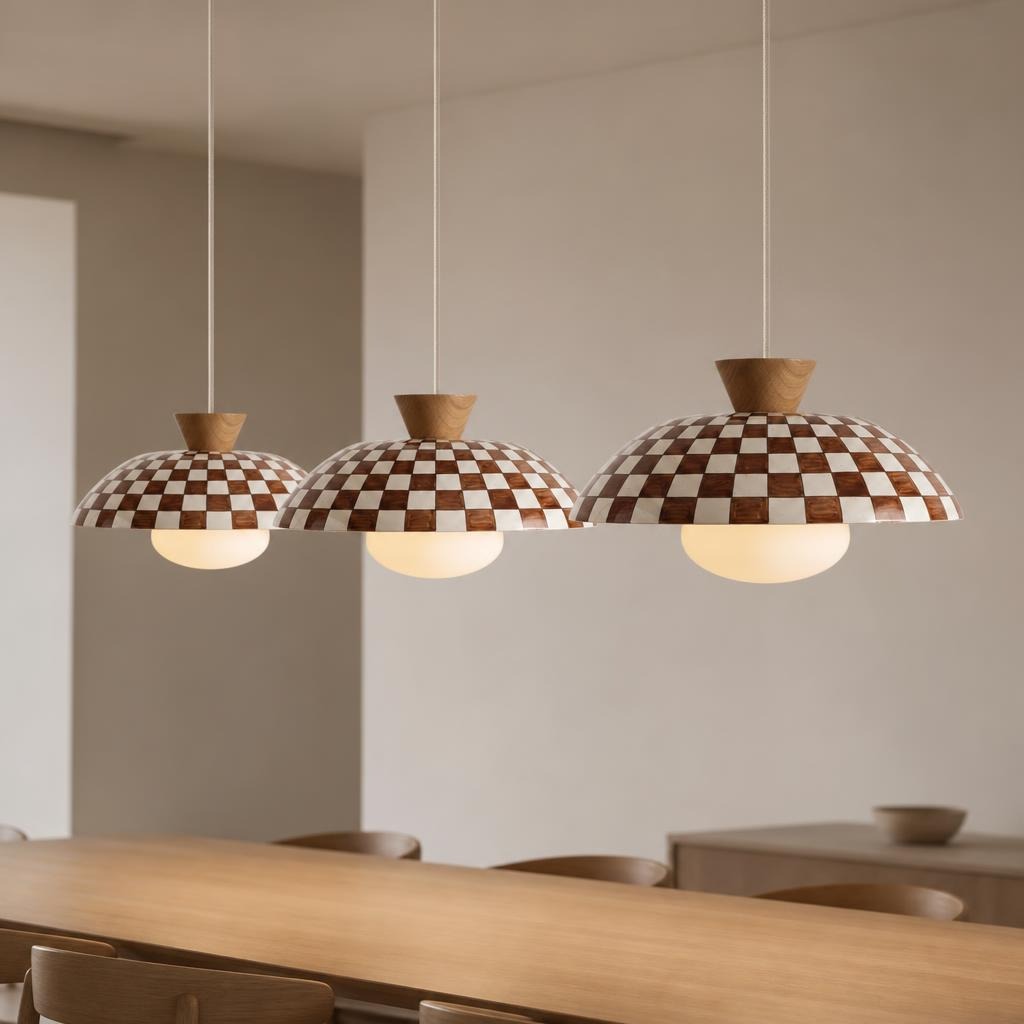
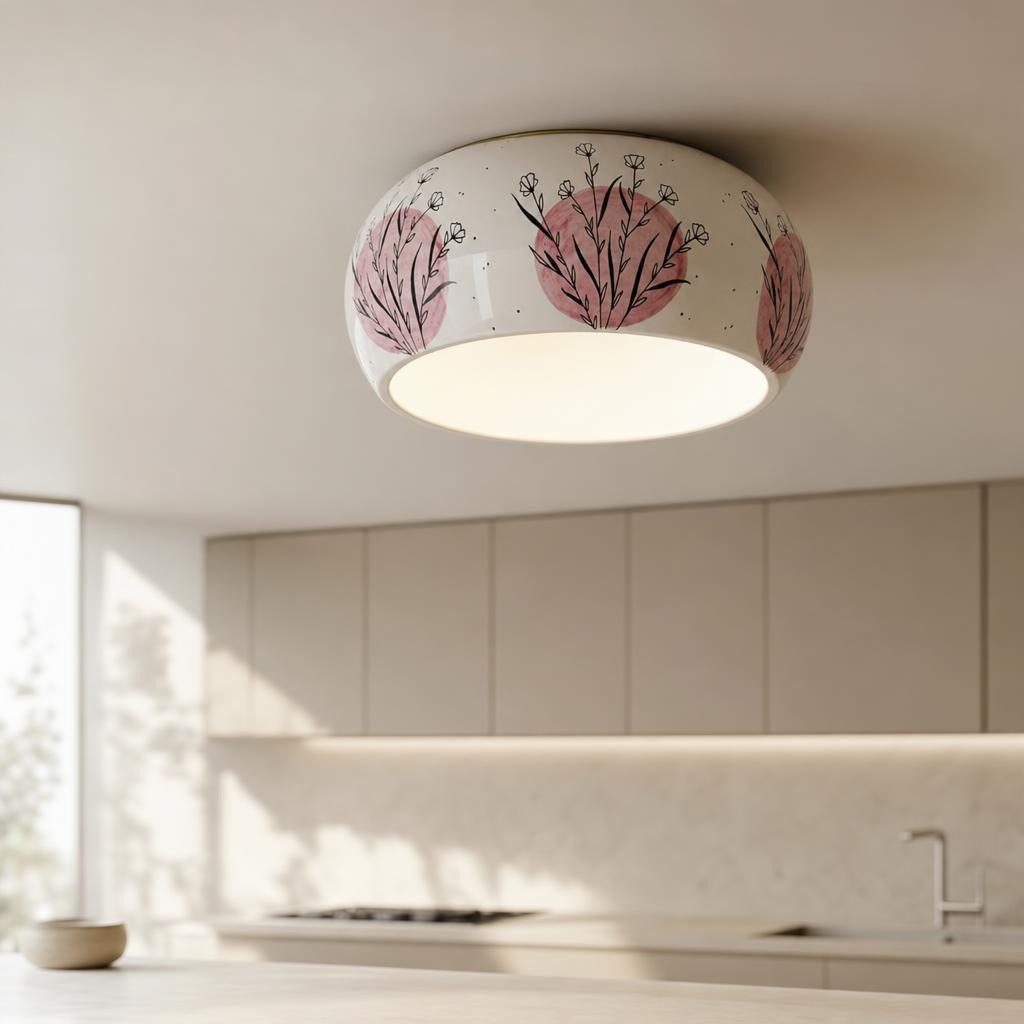
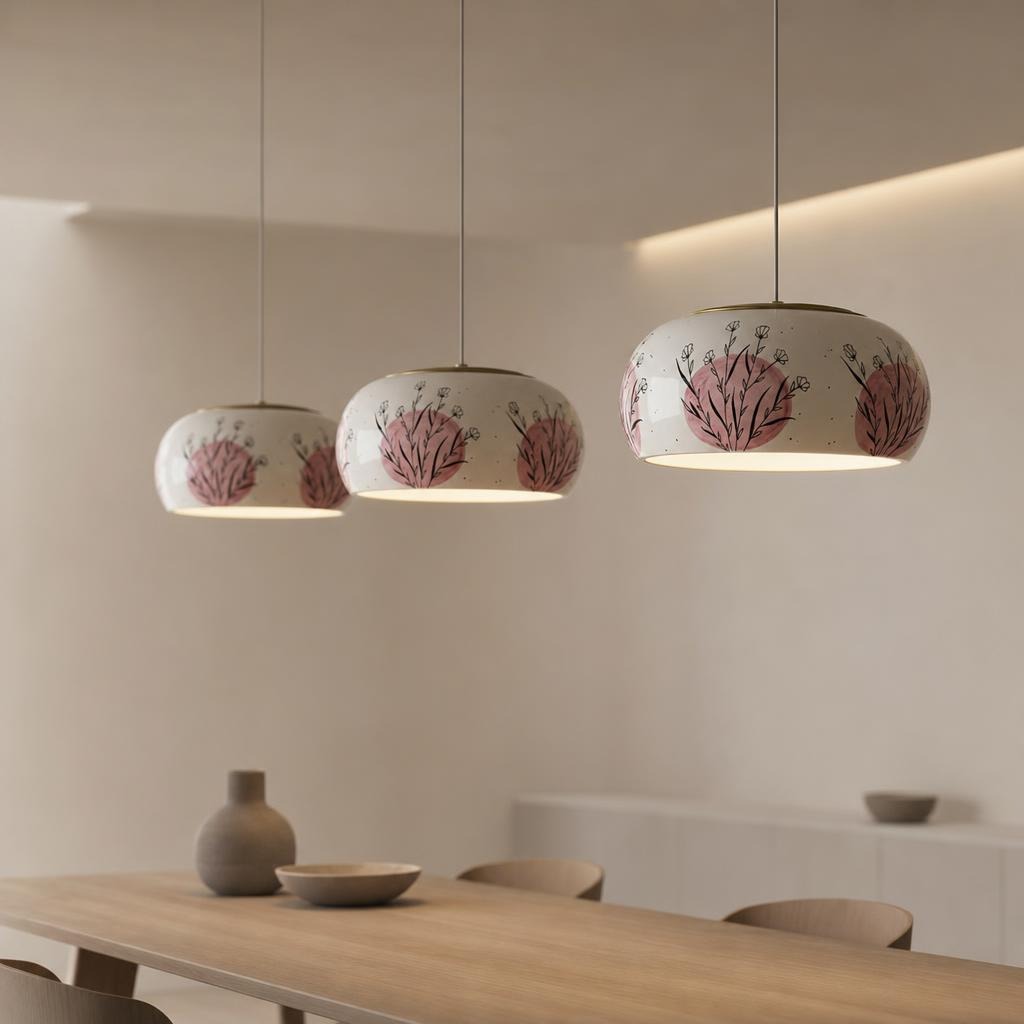
Ceramic Pendant Lights for Kitchens, Dining Rooms & Modern Interiors
Pendant lighting does more than illuminate a room. Suspended from above, it naturally draws the eye and can become one of the defining visual elements of an interior.
A well-chosen ceramic pendant light combines this architectural presence with the texture, form, and distinctive character of ceramic. The result is lighting that can function both as an everyday source of illumination and as a decorative object within the room.
At Art Ceramico, our pendant lamp collection focuses on lighting with a strong visual identity. Ceramic allows pendant lights to move beyond purely functional fixtures, introducing sculptural silhouettes, tactile surfaces, color, and a material quality that can make even a relatively simple space feel more considered.
Pendant lights are especially effective above kitchen islands and dining tables, but they can also work in living spaces, entryways, reading areas, and other parts of the home where overhead lighting can create a focal point.
For a complete interior lighting scheme, pendant lamps can be combined with our ceramic table lamps and ceramic wall sconces to introduce light at different heights throughout a room.
What Is Pendant Lighting?
A pendant light is a ceiling-mounted fixture suspended by a cord, cable, rod, or similar support.
Unlike flush-mounted ceiling lighting, which stays close to the ceiling surface, a pendant hangs down into the room. This allows it to interact more directly with furniture, architectural features, and the spaces where people gather.
That relationship is one of the main reasons pendant lighting can have such a strong decorative impact.
A pendant positioned over a dining table, for example, visually connects the ceiling with the furniture below. Over a kitchen island, a series of pendant lights can reinforce the length and proportions of the island while providing a clear focal point.
The material of the shade or body also influences the character of the fixture.
With ceramic pendant lighting, the light becomes part of a tactile decorative object rather than simply an exposed source of illumination.
Why Choose Ceramic Pendant Lights?
Ceramic brings qualities to lighting that are difficult to reproduce with purely industrial materials.
It can feel substantial without appearing heavy, decorative without requiring excessive ornamentation, and contemporary while still retaining a natural, tactile quality.
Sculptural Form
A pendant fixture naturally occupies an important position within a room because it hangs at eye level or above key furniture.
Ceramic makes it possible for that fixture to have a distinctive three-dimensional form.
Curves, cones, rounded profiles, geometric silhouettes, and more expressive shapes can transform a pendant into a small suspended sculpture.
This makes ceramic pendant lights particularly effective in spaces where the lighting fixture itself is intended to contribute to the visual identity of the interior.
Texture and Material Character
Contemporary interiors often benefit from mixing materials.
Wood, stone, textiles, metal, glass, and ceramic can each introduce a different visual and tactile quality.
Ceramic lighting can provide a softer counterpoint to smooth countertops, metal appliances, glass surfaces, or highly polished finishes.
It can also connect naturally with timber furniture, stone worktops, woven materials, and other textures used throughout the home.
Decorative Presence Throughout the Day
Pendant lighting remains highly visible even when it is switched off.
For this reason, its design matters throughout the entire day rather than only at night.
A ceramic pendant can contribute color, form, and texture during daylight hours and then take on another character once illuminated.
This combination of decoration and function is one of the strongest reasons to treat pendant lighting as an important interior design decision rather than a finishing detail.
Pendant Lights for Kitchen Islands
One of the most popular uses for pendant lighting is above a kitchen island.
Pendant lights for kitchen islands can provide useful illumination while helping define the island as the visual and social center of the kitchen.
Because kitchen islands are often large horizontal elements, pendant lighting creates an opportunity to introduce vertical contrast from above.
The right fixtures can make the kitchen feel more balanced and intentional.
Why Pendant Lighting Works Above a Kitchen Island
Kitchen islands frequently perform several roles.
They may be used for food preparation, informal dining, conversation, serving, or as a central gathering point.
Lighting above the island therefore needs to be considered from both a practical and decorative perspective.
Pendant lighting can create a clear pool of light over this central area while distinguishing it from the rest of the kitchen.
Ceramic fixtures can also soften kitchens that contain many harder materials such as stone, metal, glass, and cabinetry.
Their shape and surface introduce another layer of texture without requiring additional furniture or decoration.
How Many Pendant Lights Should Go Over a Kitchen Island?
There is no single number that works for every kitchen.
The correct arrangement depends on the length of the island, the width and scale of each pendant, ceiling height, surrounding cabinetry, and the visual effect you want to achieve.
Two larger pendants can create a clean, balanced composition.
Three smaller pendant lights can establish a repeating rhythm across a longer island.
A single statement pendant may work when the proportions of the fixture and island are appropriate.
The goal should be visual balance rather than following a fixed rule.
When considering island pendant lights, look at the complete relationship between the fixtures and the furniture below rather than evaluating each light independently.
Choosing Pendant Light Size for a Kitchen Island
Scale is particularly important with pendant lighting.
A fixture that is too small may feel insignificant above a substantial island, while a very large pendant can visually dominate the space.
Consider several elements together:
- Width and length of the kitchen island
- Number of pendant lights
- Diameter or width of each fixture
- Ceiling height
- Visual weight of the ceramic design
- Other lighting already present in the room
A sculptural ceramic pendant may have more visual presence than a transparent glass fixture of a similar physical size.
This means measurements alone do not determine whether a pendant feels correctly proportioned.
The shape, color, and material of the fixture also influence its apparent scale.
Modern Pendant Lighting for Kitchen Islands
A modern kitchen does not require anonymous lighting.
Modern pendant lighting for kitchen islands can introduce shape, color, and personality while still complementing clean cabinetry and contemporary architecture.
In fact, kitchens with restrained materials often provide an ideal backdrop for more expressive lighting.
A ceramic pendant can become the element that prevents a minimalist kitchen from feeling overly uniform.
Depending on the interior, the fixture might provide subtle contrast or become a stronger statement.
Both approaches can work.
The important factor is that the pendant feels connected to the room through its proportions, material, color, or overall design language.
Unique Pendant Lights for Kitchen Islands
Lighting is one of the easiest places to introduce character without changing the permanent architecture of a room.
For that reason, homeowners searching for unique pendant lights for kitchen islands often look beyond purely functional fixtures.
Ceramic is especially interesting for this purpose because it naturally emphasizes form and material.
A distinctive ceramic pendant can create visual interest even when surrounding cabinets, worktops, and furniture are intentionally simple.
Rather than filling the kitchen with multiple decorative elements, one carefully chosen group of pendant lights can become the room's main focal point.
Pendant Lights Over a Dining Table
Pendant lighting is equally effective in dining spaces.
A light suspended above the dining table helps visually define the area while bringing illumination closer to where it is actually needed.
Whether the dining table is located in a dedicated dining room or within an open-plan living space, a pendant can create a sense of place around it.
Creating a Dining Room Focal Point
The relationship between a pendant and dining table is naturally strong because both occupy the center of the same composition.
A distinctive ceramic pendant can emphasize that relationship.
Over a rectangular table, the lighting arrangement can follow the length of the surface.
Over a round table, a single central pendant can reinforce the geometry of the furniture.
The ideal solution depends on the dimensions and design of both the fixture and table.
Rather than choosing lighting in isolation, consider how the pendant will appear together with chairs, furniture, artwork, and nearby materials.
Pendant Lighting in Open-Plan Interiors
In open-plan homes, lighting can help define different functional zones without requiring physical walls.
Pendant lights above an island can visually identify the kitchen.
A pendant above the dining table can establish the dining zone.
Meanwhile, table lamps and wall sconces can introduce softer layers of illumination around living and seating areas.
This creates separation through light rather than structure.
Using related materials across these fixtures can make the overall interior feel connected.
For example, ceramic lighting used at different heights can create continuity without requiring every fixture to have exactly the same shape or color.
Single Pendant Lights vs Multiple Pendants
Both arrangements can be effective.
A single pendant light usually creates one clear focal point.
This can work particularly well above a smaller table, compact island, entryway feature, or defined area.
Multiple pendant lights create repetition.
This approach is especially useful above longer kitchen islands and dining tables where several fixtures can visually follow the dimensions of the furniture.
The decision should depend on scale.
Rather than automatically choosing three pendants because it is a common arrangement, consider whether two larger fixtures or one distinctive statement light would better suit the proportions of the space.
Small and Mini Pendant Lights
Smaller pendant fixtures can be useful when several lights need to be arranged together or when the available area is more compact.
Small pendant lights can introduce detail without dominating the ceiling or surrounding furniture.
They may be particularly effective when repeated as a series.
However, smaller does not necessarily mean visually insignificant.
A compact ceramic pendant with a distinctive form or color can still make a strong decorative contribution.
As with every pendant fixture, the most important consideration is how the design relates to the room around it.
Pendant Lighting for Living Spaces and Entryways
Although kitchens and dining areas are common applications, pendant lamps can work elsewhere in the home.
An entryway pendant can establish a visual focal point immediately when someone enters.
In a living space, pendant lighting can define a particular area or replace a more conventional ceiling fixture.
A pendant can also help draw attention to furniture, architectural features, or decorative arrangements beneath it.
The key is to consider both the appearance of the fixture and the type of illumination required in that location.
Always review the specifications of an individual product before choosing it for a particular installation or environment.
How to Choose the Right Pendant Light
Choosing pendant lighting begins with understanding the space.
Consider the Room First
Identify where the pendant will be installed and what role it needs to perform.
Lighting above a kitchen island may have different requirements from a decorative pendant in an entryway.
Once the location and purpose are clear, it becomes easier to choose an appropriate scale and style.
Think About Height and Proportion
Pendant lighting creates a visual connection between the ceiling and the furniture or space below.
Its suspension height therefore affects both appearance and usability.
The appropriate height depends on the room, ceiling, fixture, furniture, and intended use.
Individual product dimensions and installation requirements should always be reviewed before installation.
Look at Color in Context
A pendant can either blend into the room or create contrast.
Neutral ceramic tones can integrate quietly with surrounding surfaces, while stronger colors can turn the fixture into an accent.
Color-specific searches are also important for individual products.
Rather than forcing terms such as black pendant light, blue pendant light, green pendant light, or white pendant light into the entire collection, the most relevant color keywords can be assigned to the specific Art Ceramico products that genuinely match them.
This keeps the collection focused while allowing individual product pages to target more precise searches.
Build a Layered Ceramic Lighting Scheme
Pendant lights usually perform best as one component of a broader lighting plan.
Ceiling lighting creates illumination from above and often defines important furniture or architectural areas.
Wall lamps and ceramic sconces introduce light around the perimeter of the room and can highlight walls, corridors, or architectural features.
Ceramic table lamps create smaller pools of illumination around sofas, consoles, bedrooms, and reading areas.
Combining all three types allows a room to change throughout the day.
Strong general lighting might be useful at one moment, while softer wall and table lighting may create a more relaxed atmosphere later.
Using ceramic across different fixture types can also create visual continuity while allowing each lamp to retain its own character.
Explore Art Ceramico to discover ceramic lighting designed for different levels and areas of the interior.
Ceramic Pendant Lighting with Character
Pendant lighting has an unusual ability to combine architecture, furniture, and decoration.
It is connected to the ceiling yet often relates directly to the table, island, or area below.
Because of this position, the right pendant can influence how the entire room is perceived.
Ceramic adds another layer to that relationship.
Its form, texture, color, and material presence can turn functional ceiling lighting into something more expressive.
Whether you are looking for ceramic pendant lights for a kitchen island, decorative lighting above a dining table, or a distinctive pendant that adds character to a modern interior, choosing the right fixture is about balancing function with visual impact.
Explore the Art Ceramico pendant lamp collection to discover ceramic lighting designed to bring warmth, sculptural form, and personality into everyday spaces.
Frequently Asked Questions About Pendant Lights
What is a pendant light?
A pendant light is a ceiling-mounted fixture that hangs into the room using a cord, cable, rod, or similar support. Pendant lights are commonly used above kitchen islands, dining tables, counters, and other areas where overhead lighting can also create a decorative focal point.
Are pendant lights good for kitchen islands?
Yes. Pendant lights are widely used above kitchen islands because they can provide localized overhead illumination while visually defining the island as a central part of the kitchen.
How many pendant lights should I use over a kitchen island?
The ideal number depends on the length of the island and the scale of the individual fixtures. A kitchen might use one statement pendant, two larger fixtures, or several smaller pendants. Proportion and spacing are more important than following a fixed number.
How do I choose pendant lighting for a kitchen island?
Consider the size of the island, ceiling height, dimensions of the fixture, number of pendants, surrounding cabinetry, and the type of lighting required. The style and visual weight of the fixture should also complement the overall interior.
Can pendant lights be used over dining tables?
Yes. Pendant lighting can help define a dining area and bring illumination closer to the table. The shape and arrangement of the fixtures should relate to the dimensions and form of the dining table.
What is the difference between a pendant light and a chandelier?
A pendant usually centers around one suspended fixture or light composition, while chandeliers often use multiple branches or light sources within a larger decorative structure. Contemporary designs can blur this distinction, so the construction and design of the specific fixture are the best guide.
Are ceramic pendant lights suitable for modern interiors?
Yes. Ceramic pendant lights can work particularly well in contemporary interiors because ceramic can be formed into clean, sculptural shapes while introducing texture and material warmth.
Can I combine pendant lights with wall sconces?
Yes. Pendant lights and wall sconces provide illumination at different heights. Combining them can create a more layered lighting scheme. Explore our ceramic wall sconces for complementary wall-mounted lighting.
Can pendant lights be combined with table lamps?
Yes. Pendant lights provide overhead illumination while table lamps add localized light closer to furniture. Browse our ceramic table lamps to build additional layers of light throughout the interior.
Are all pendant lights suitable for every room?
No. Installation requirements and suitability can vary by fixture and environment. Always check the individual product specifications, dimensions, electrical requirements, and any location-specific requirements before purchasing or installing a pendant light.