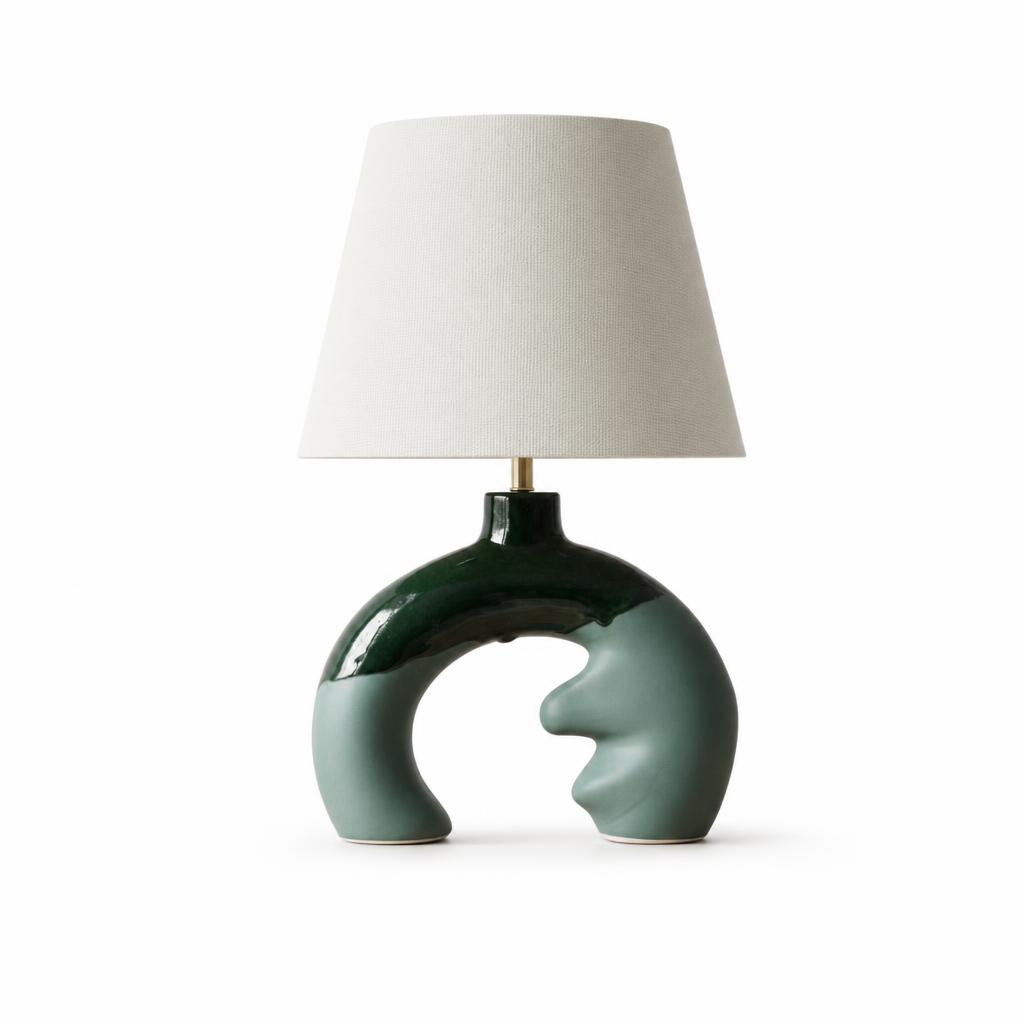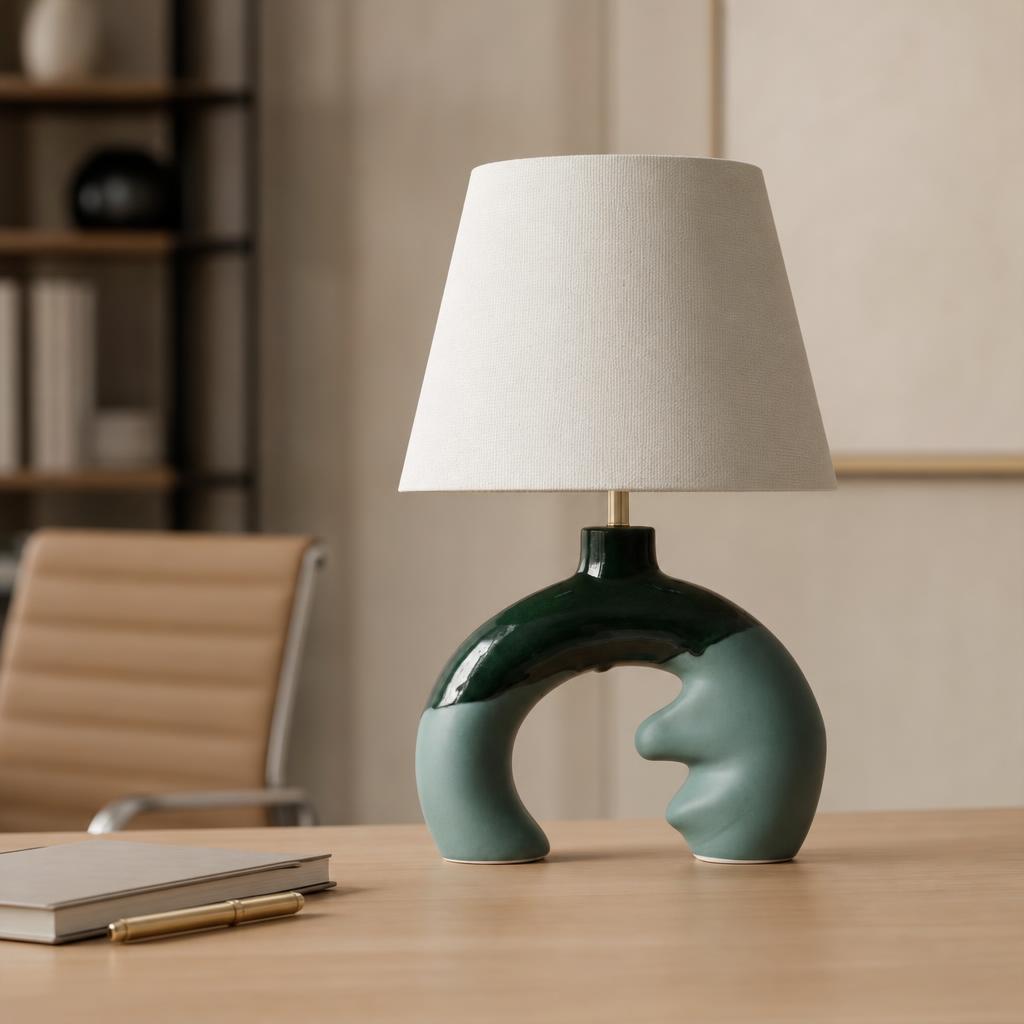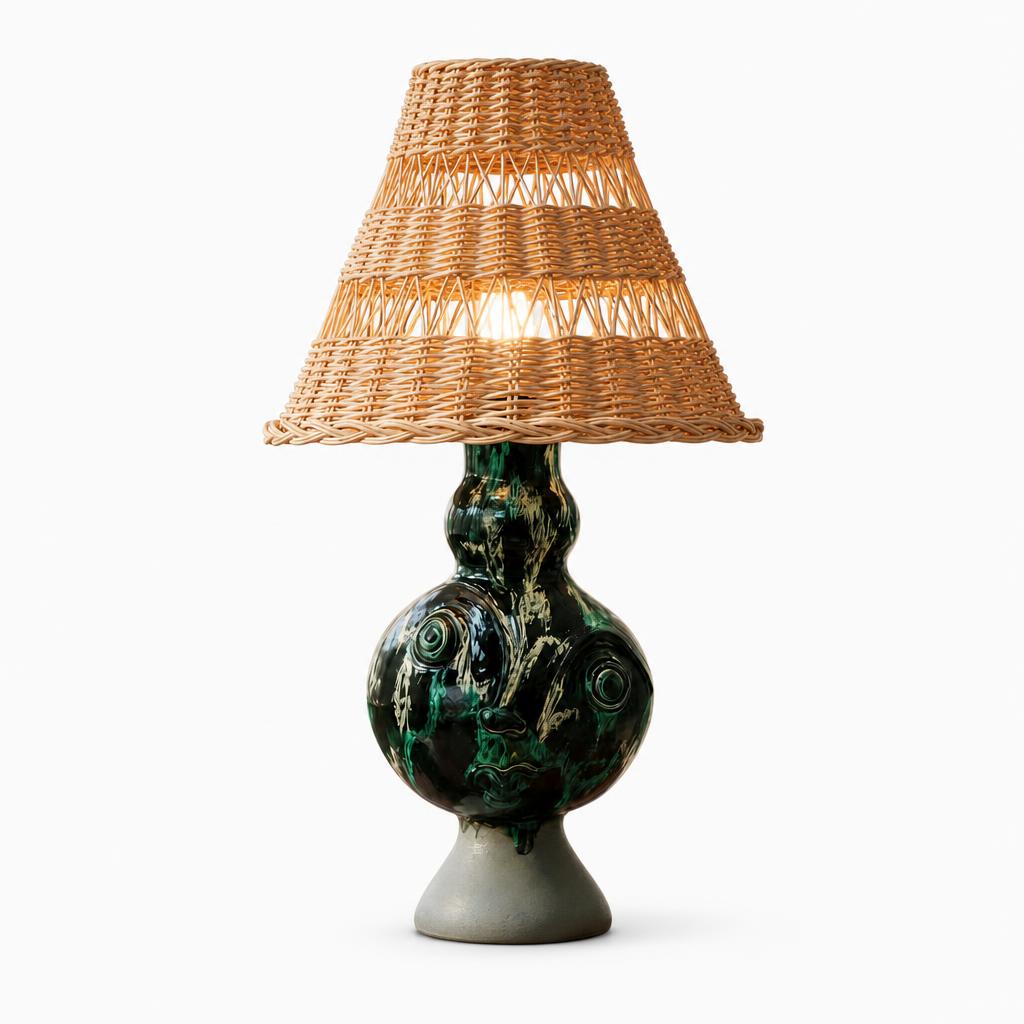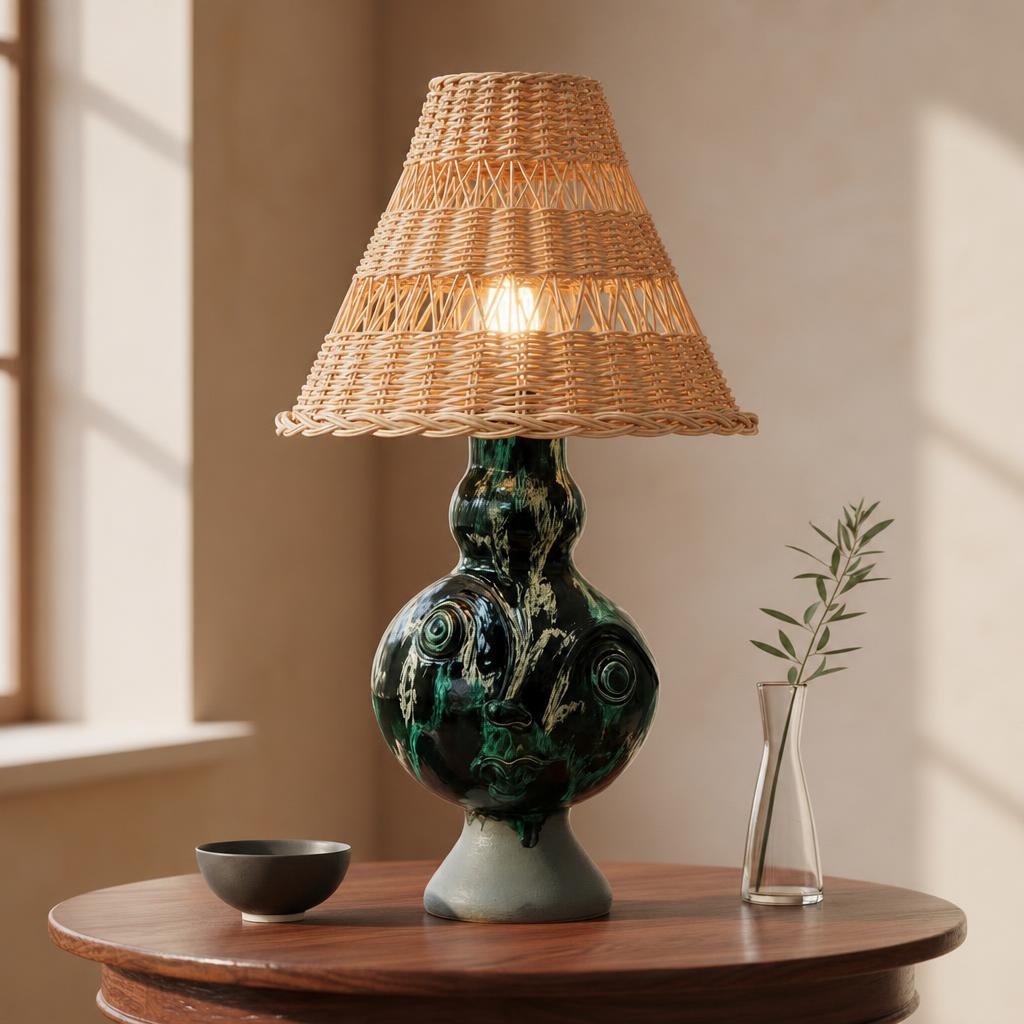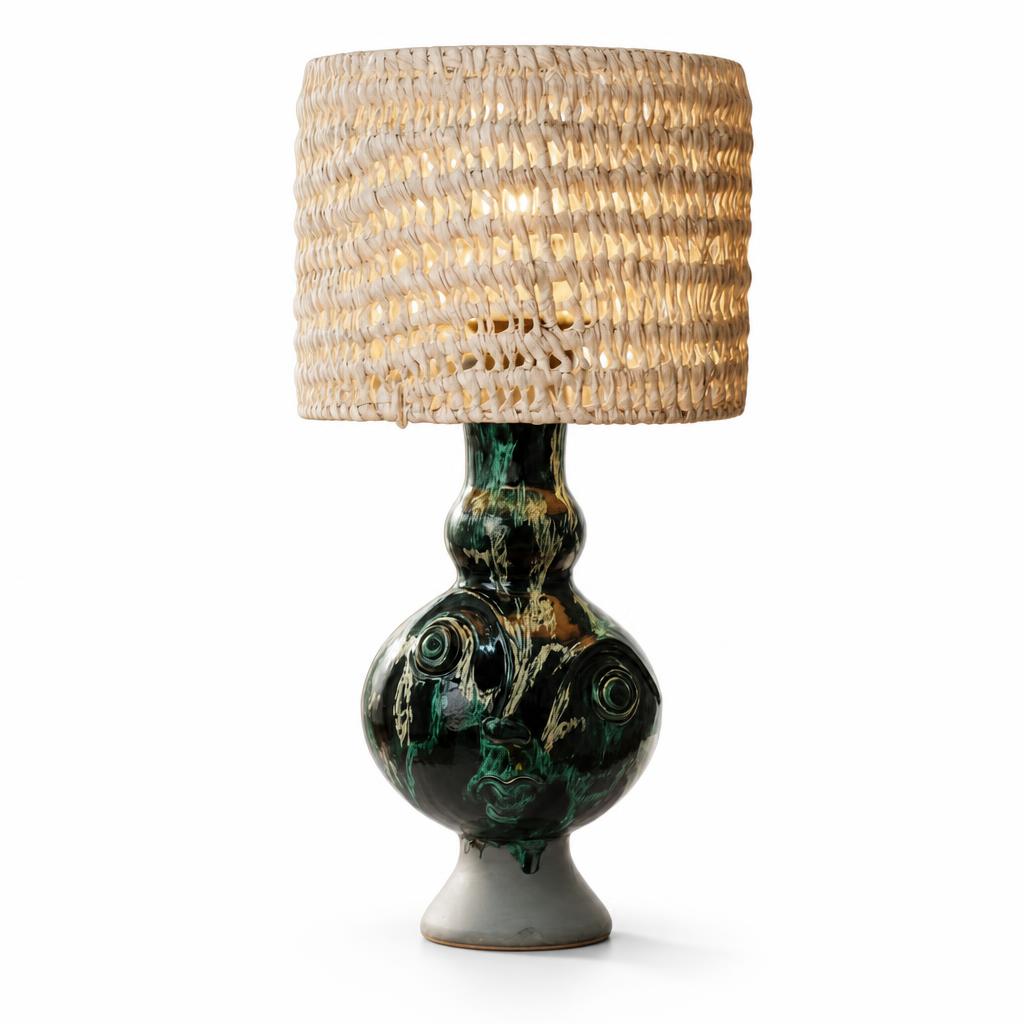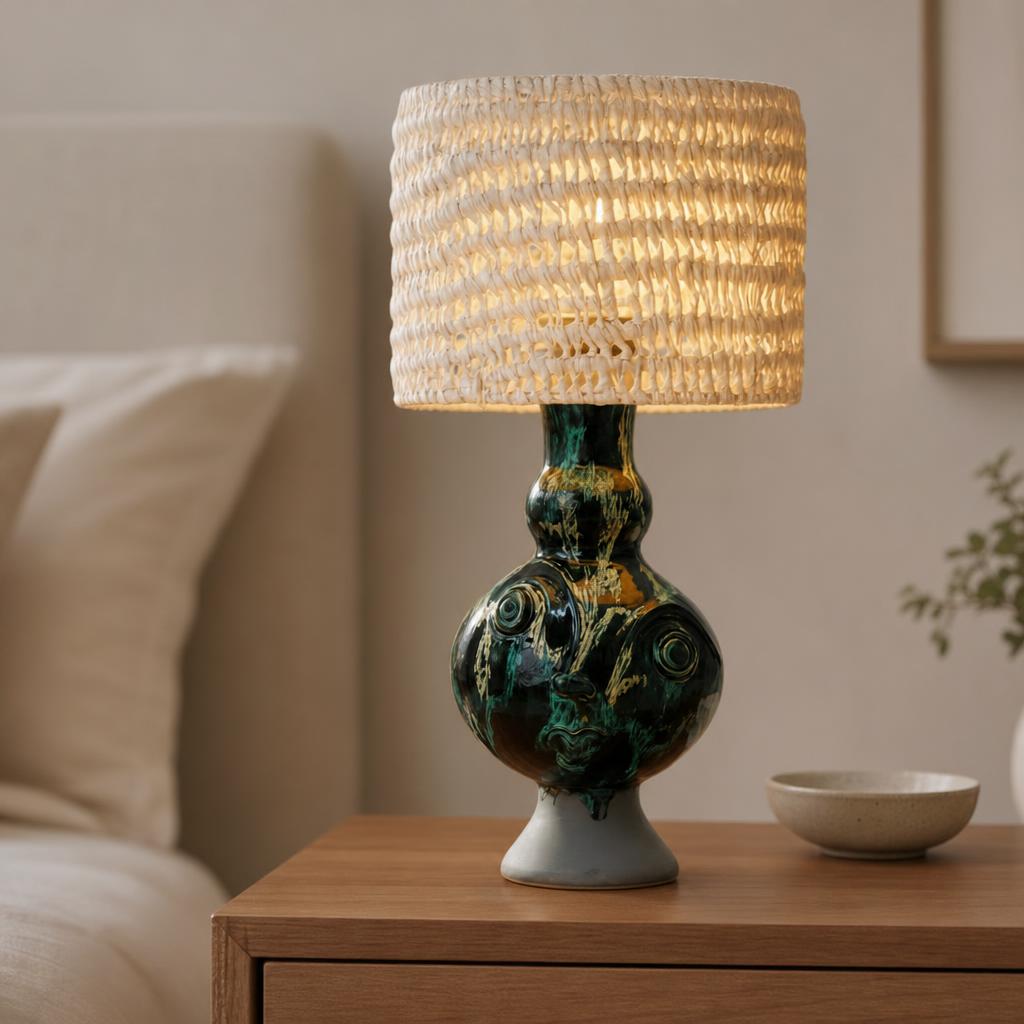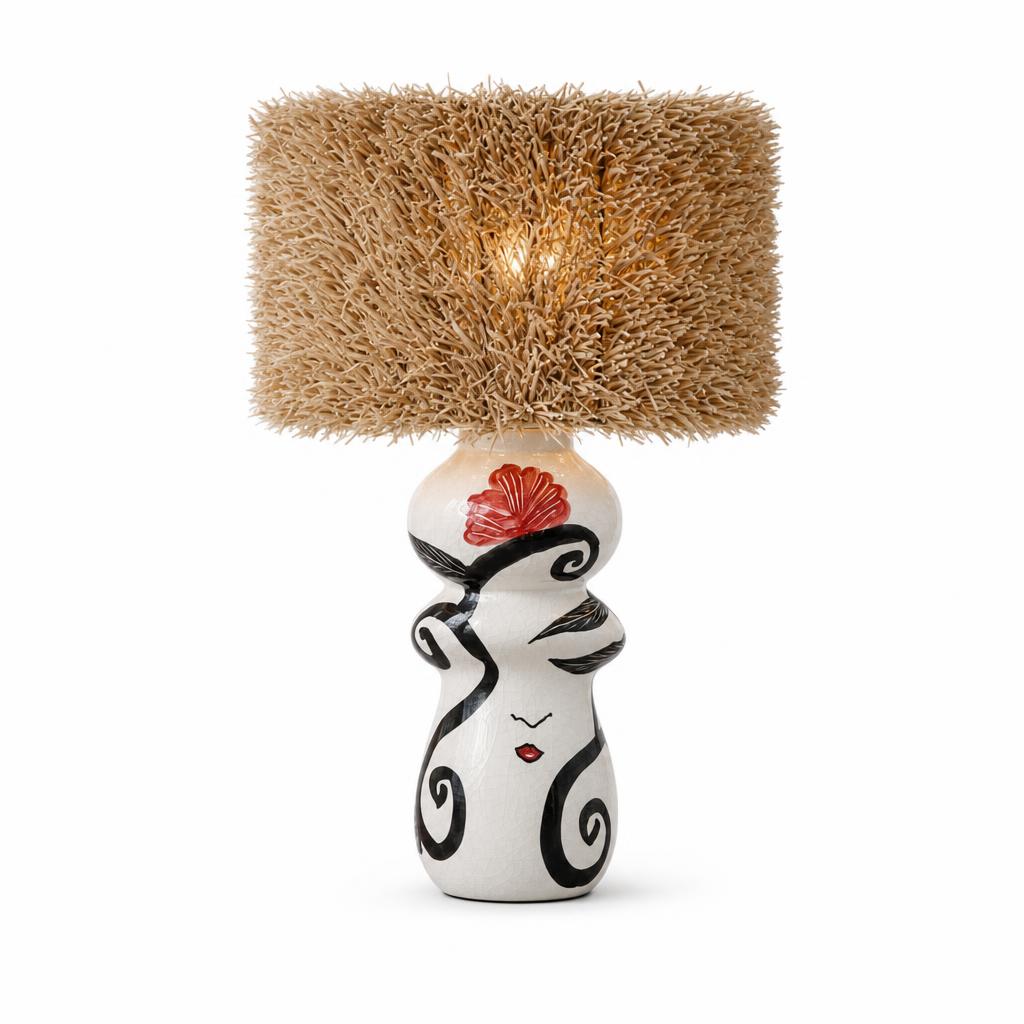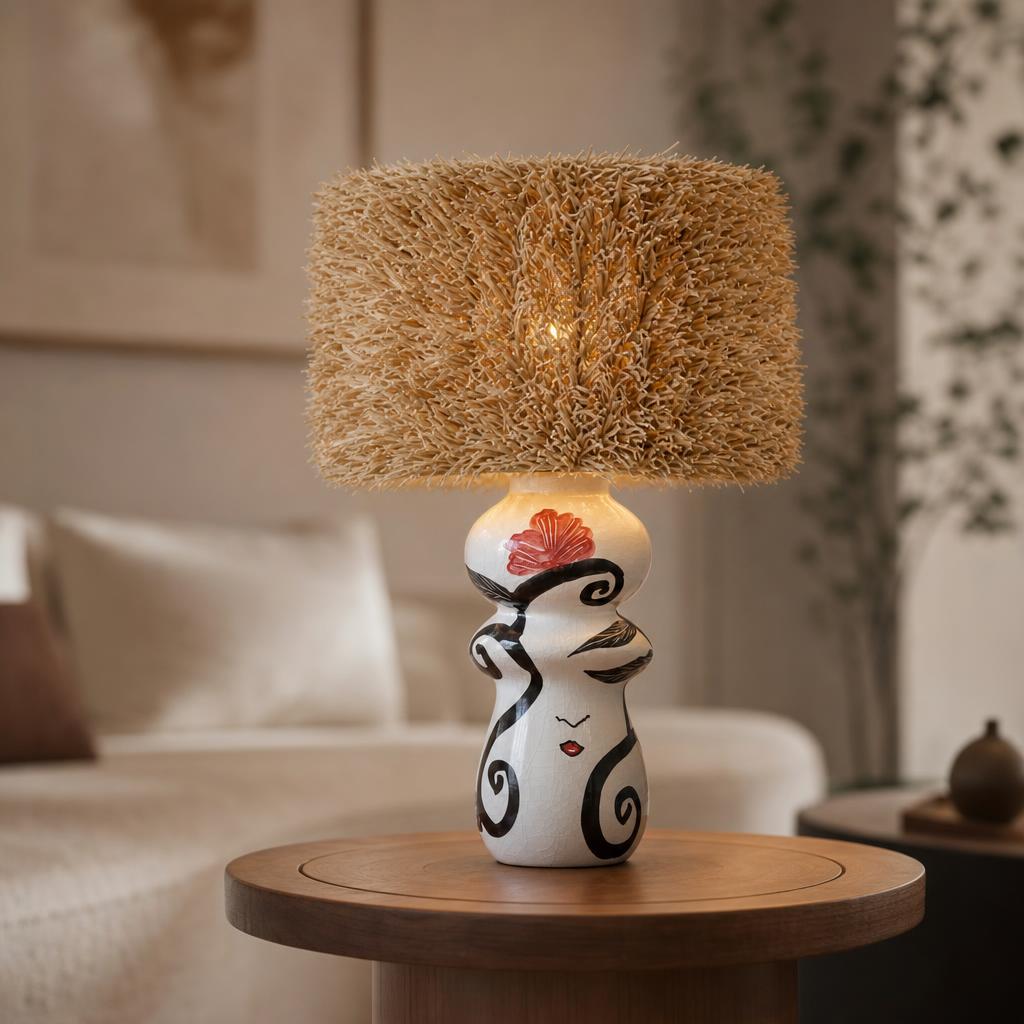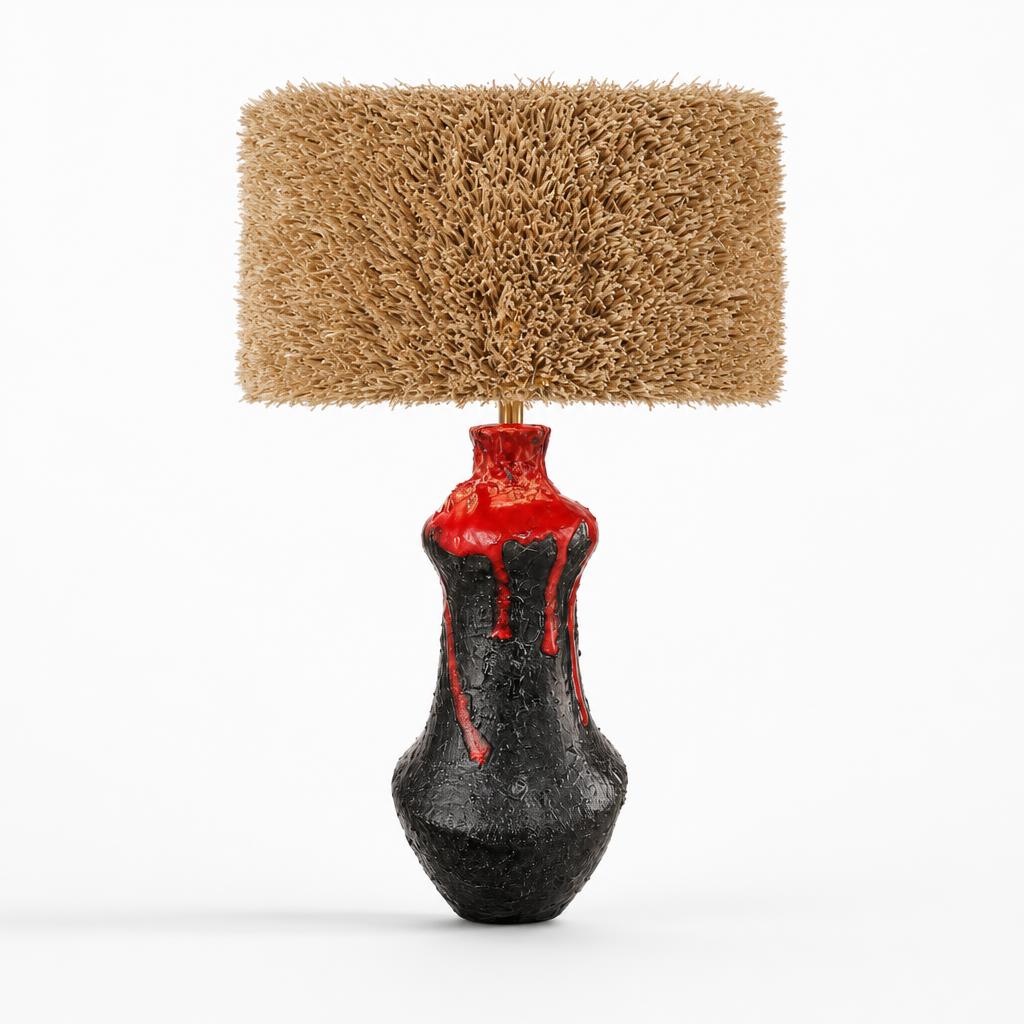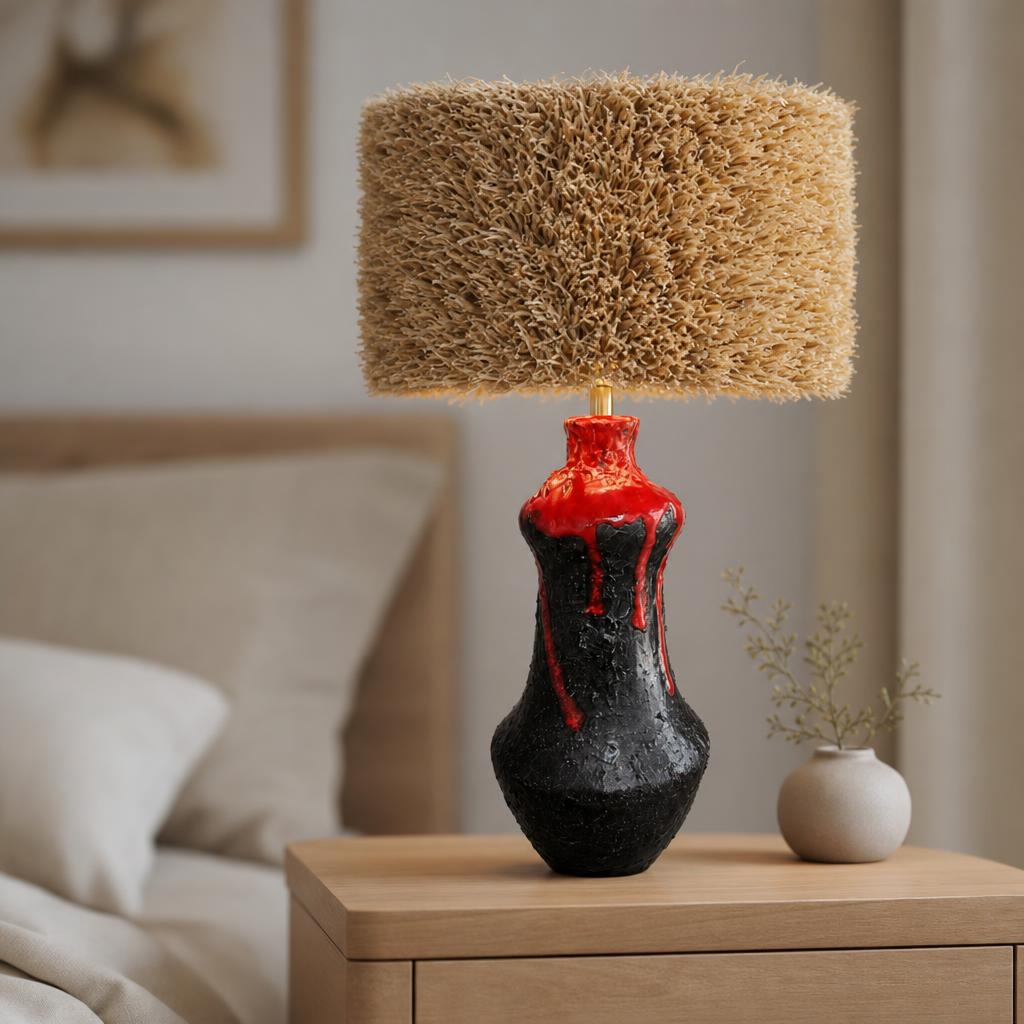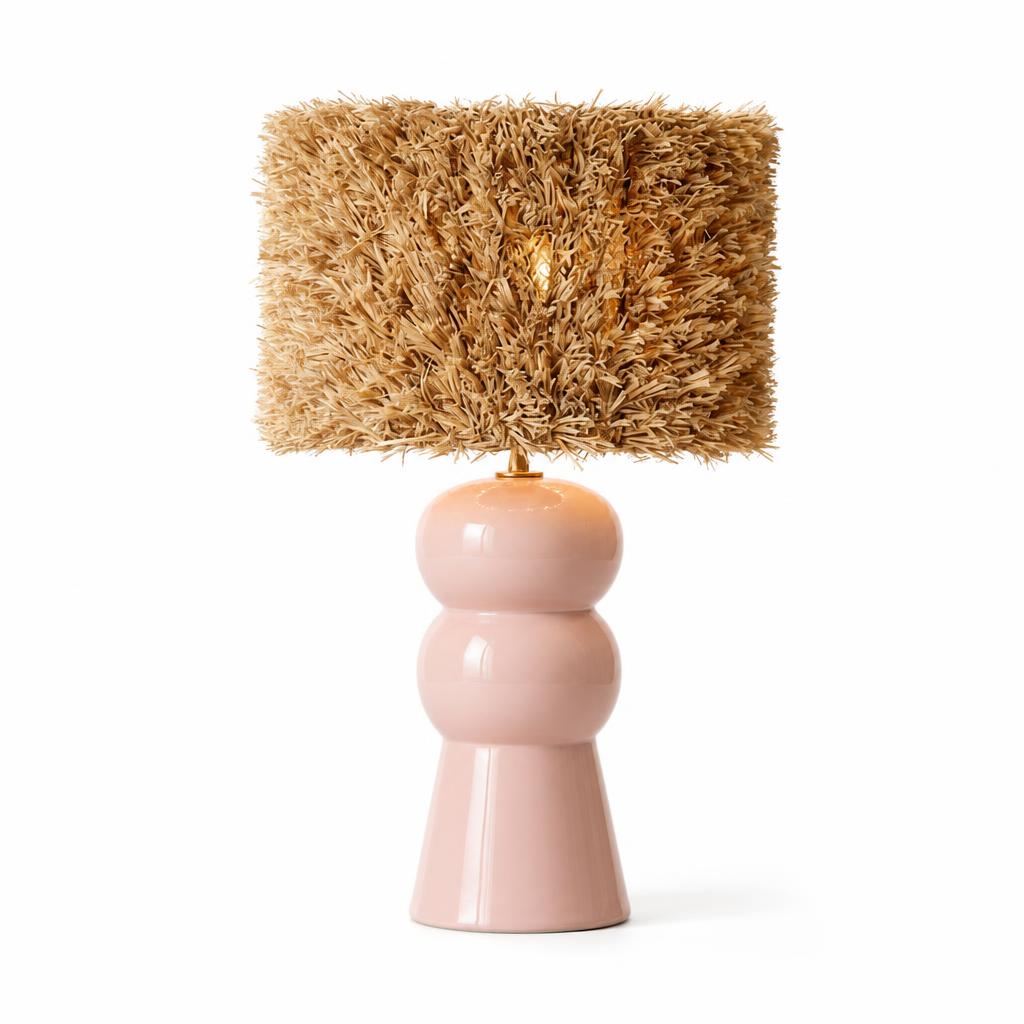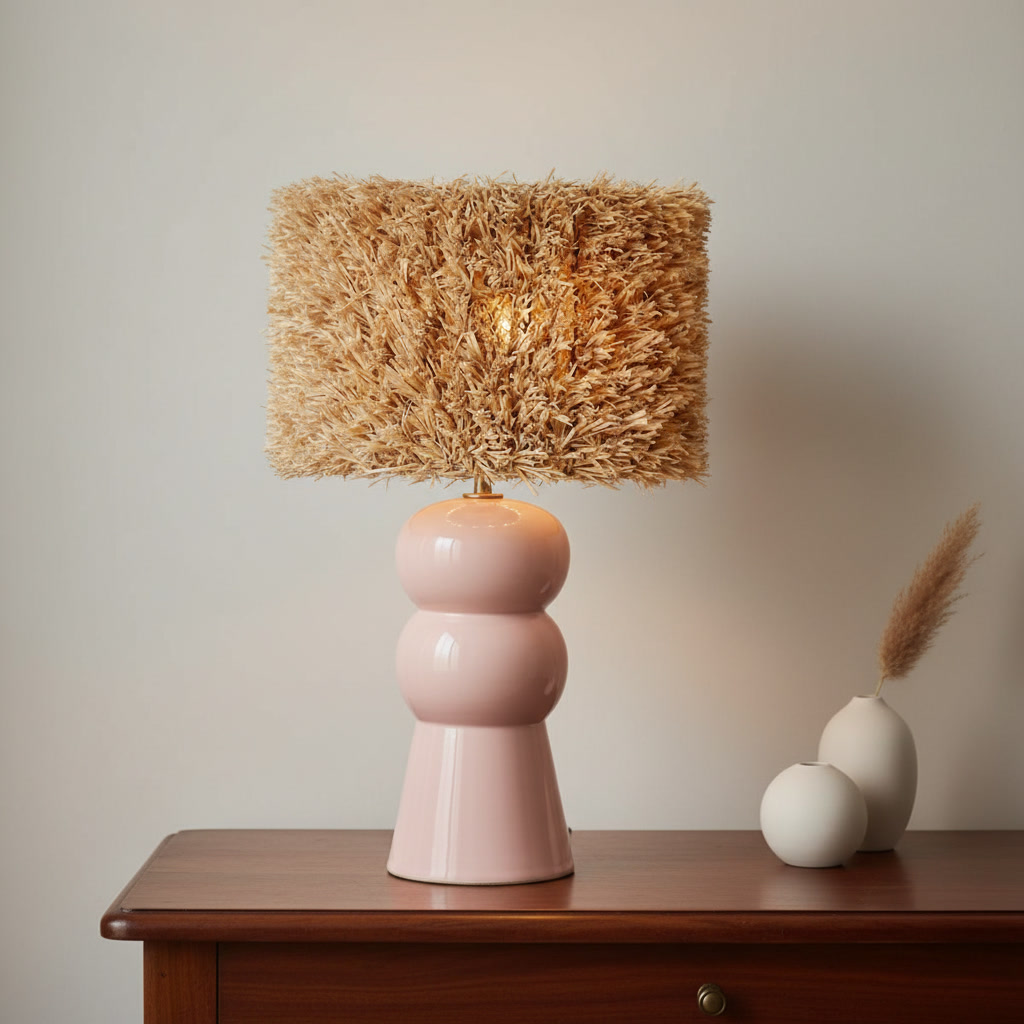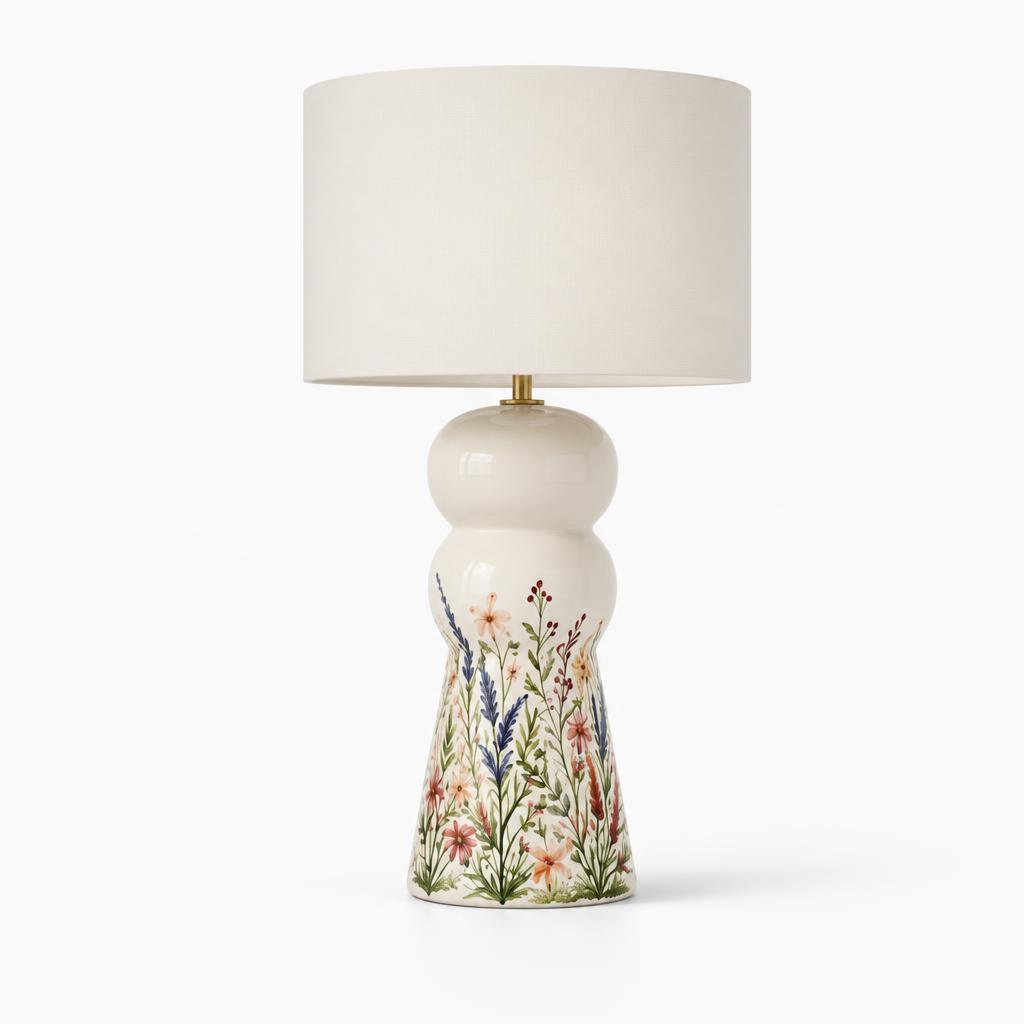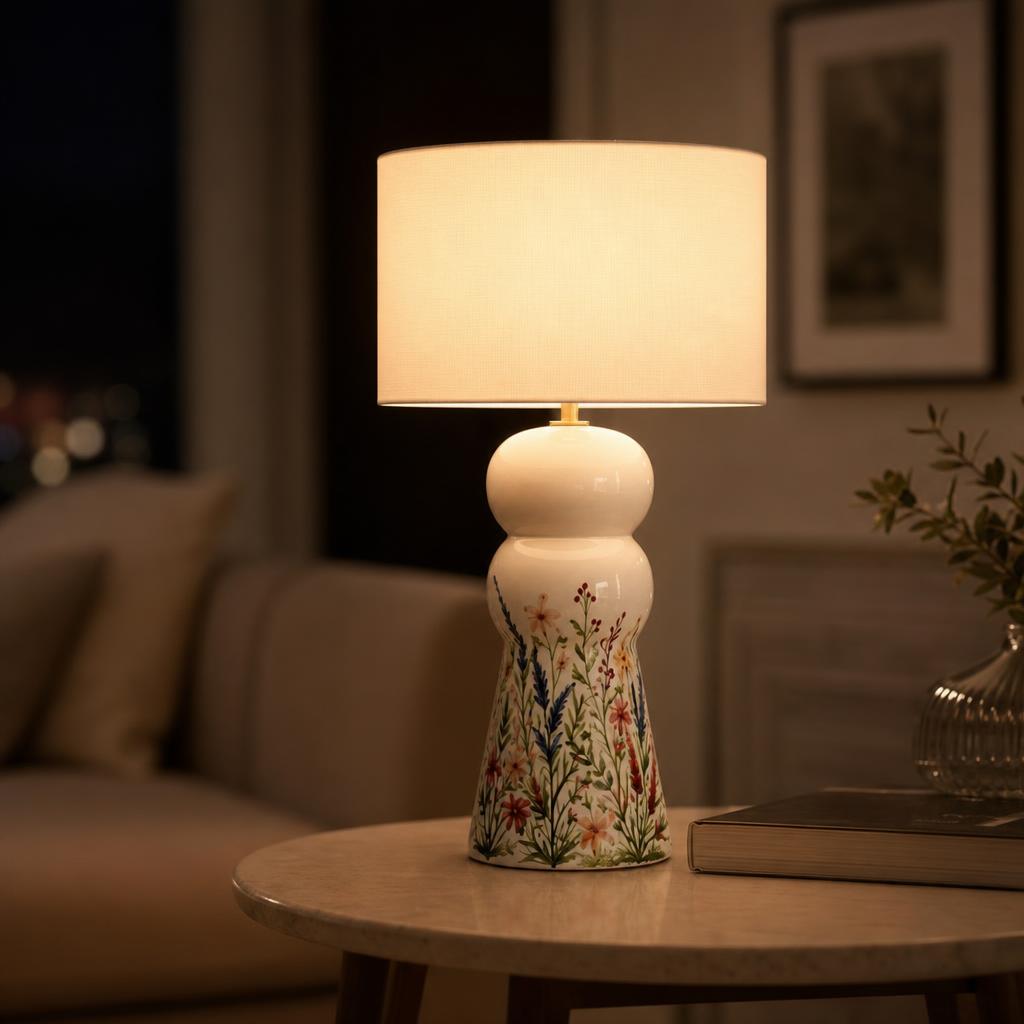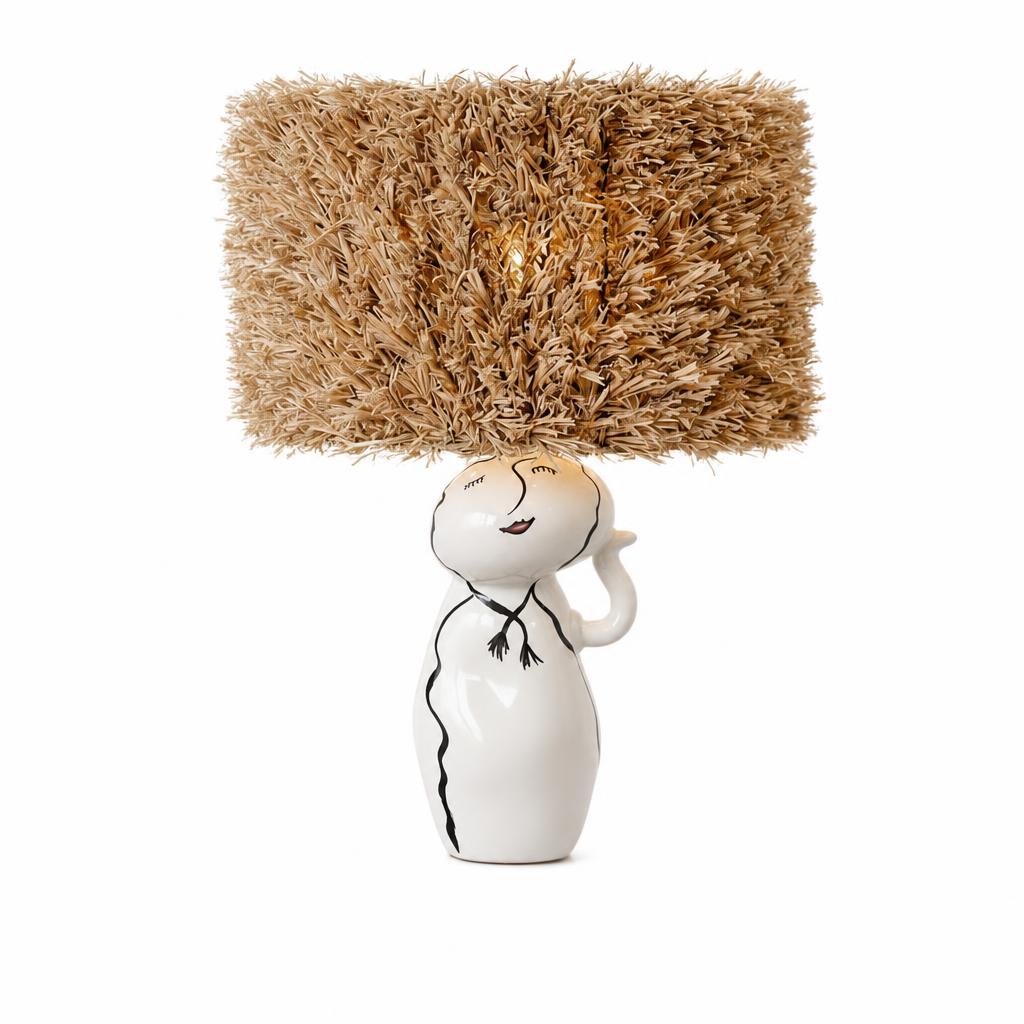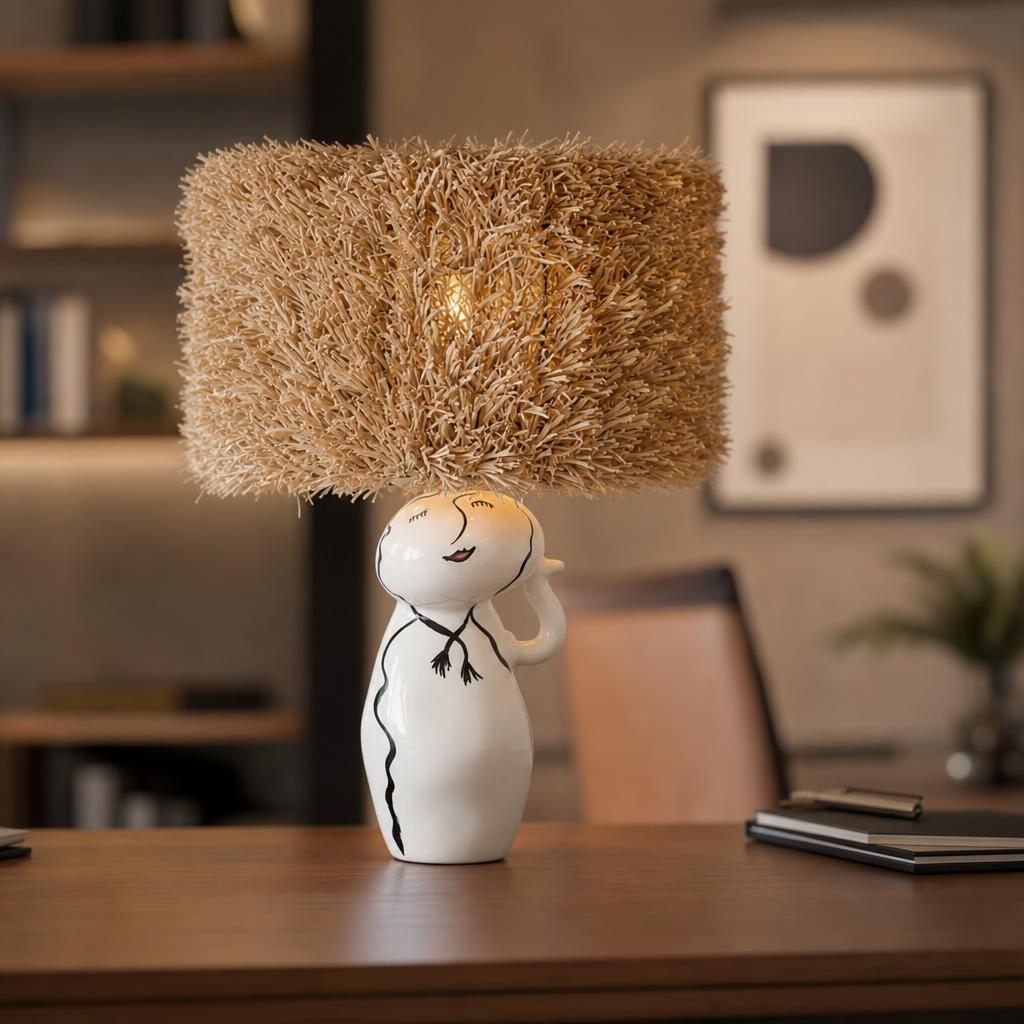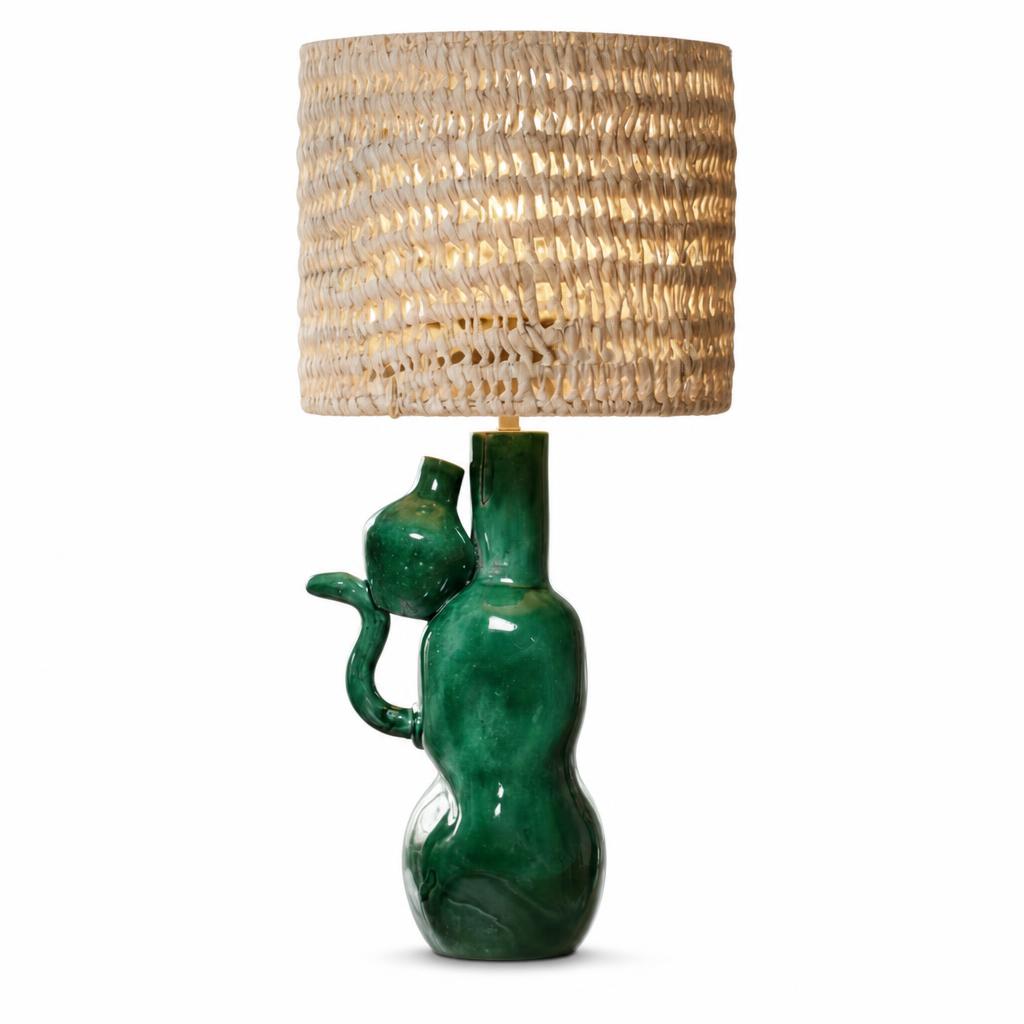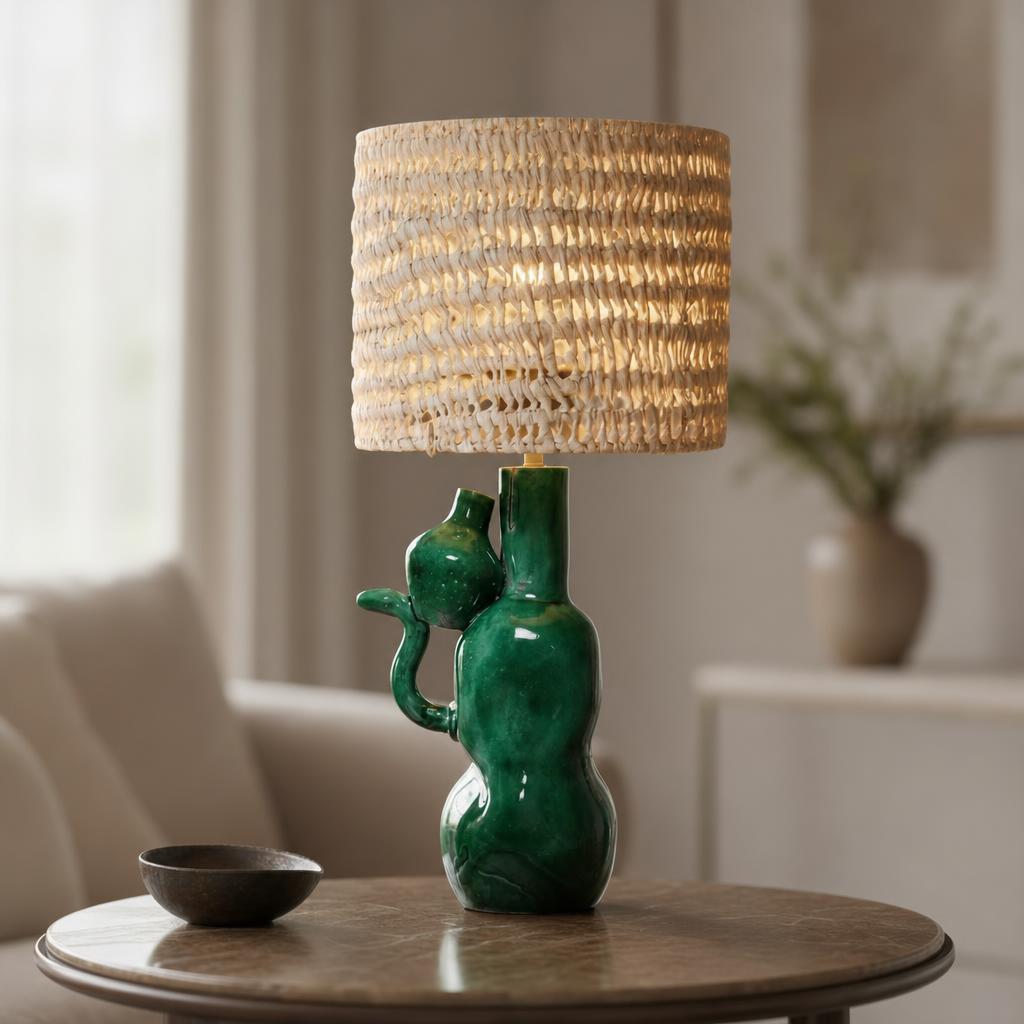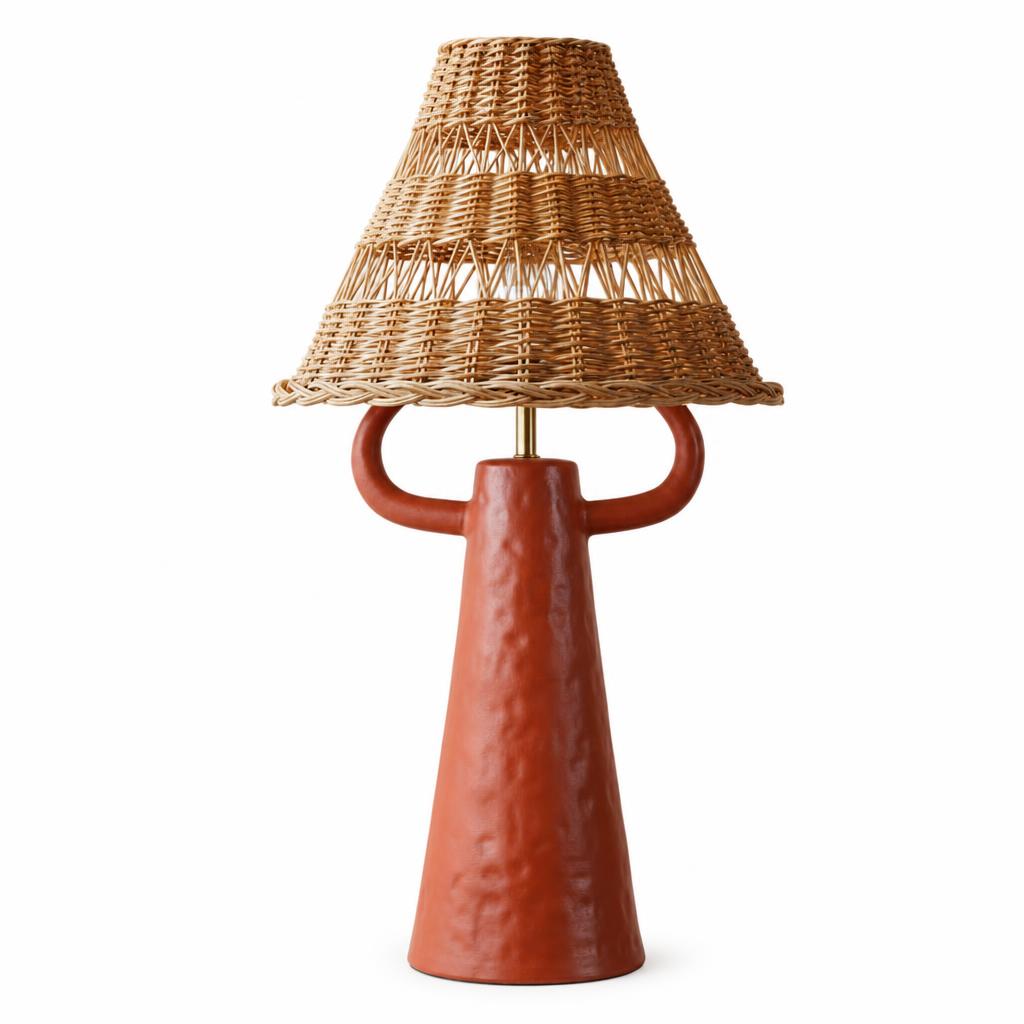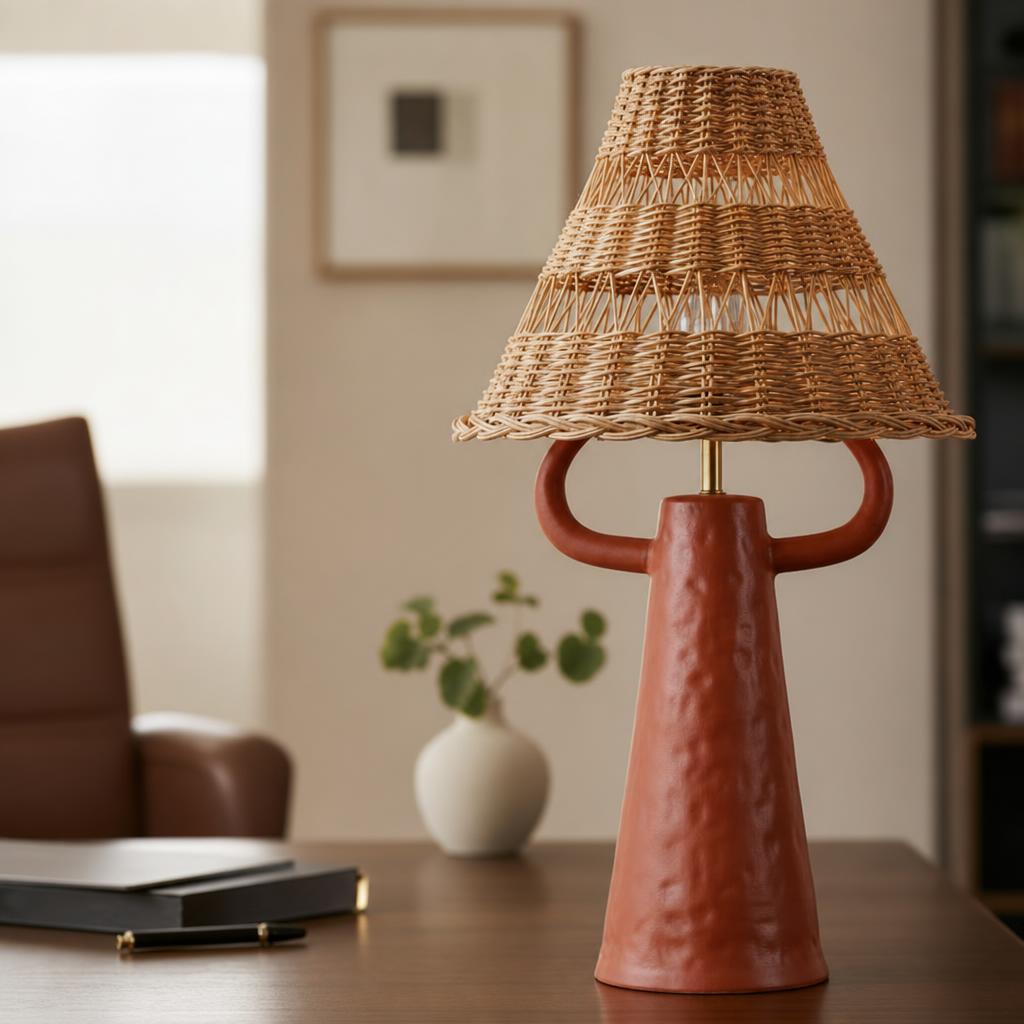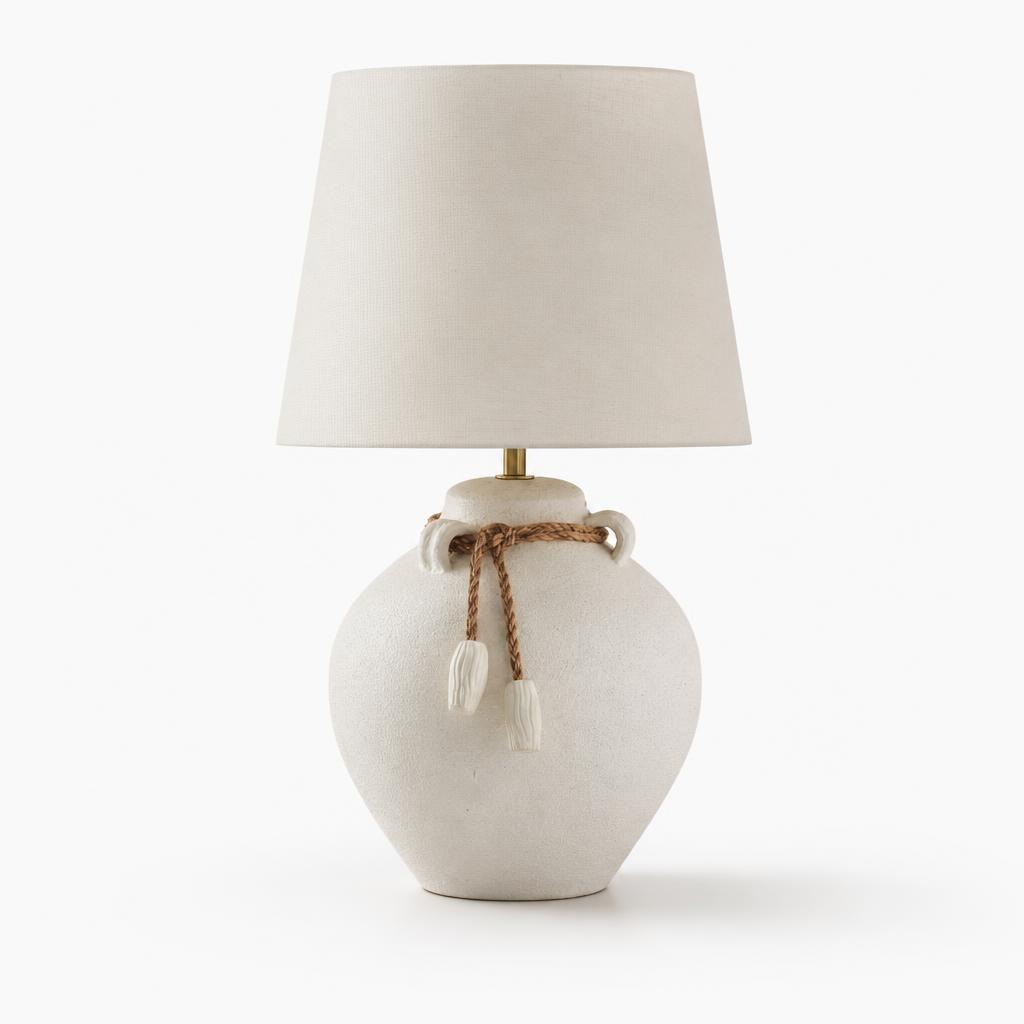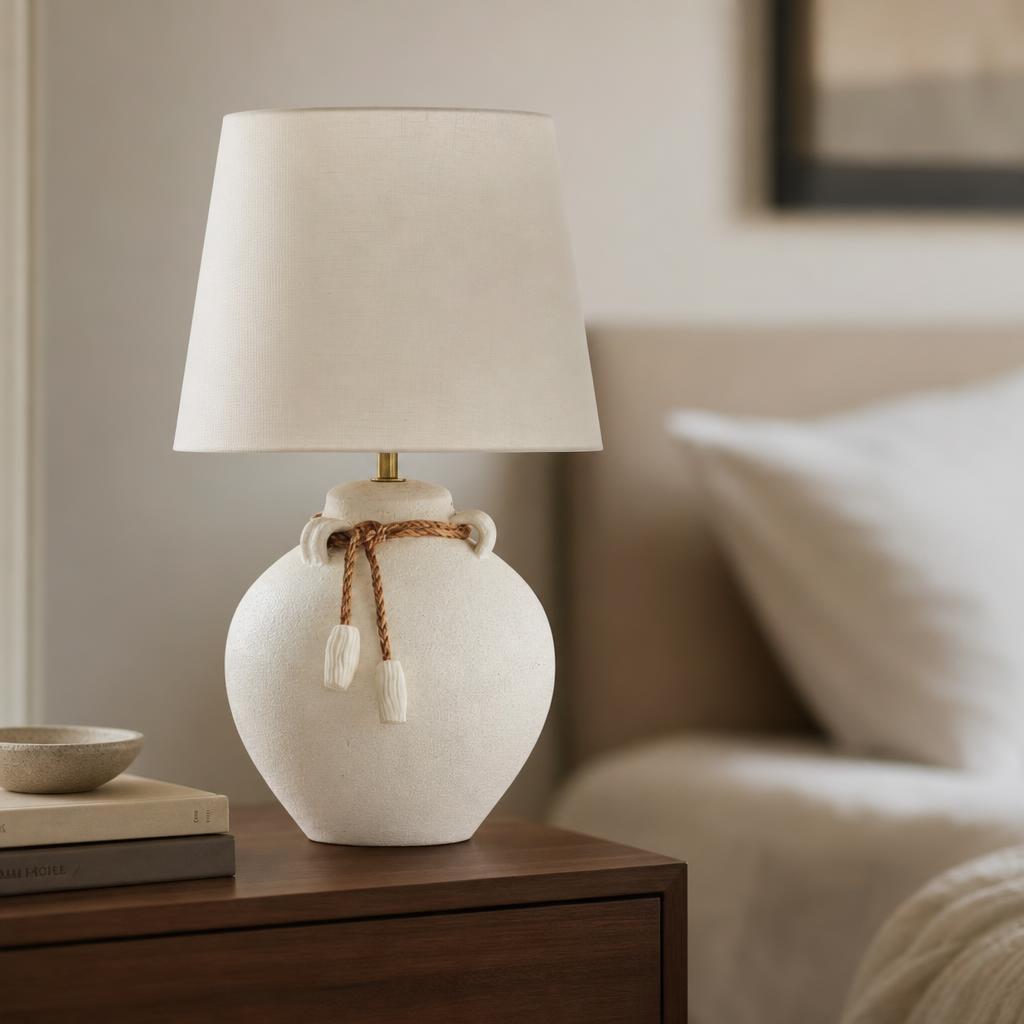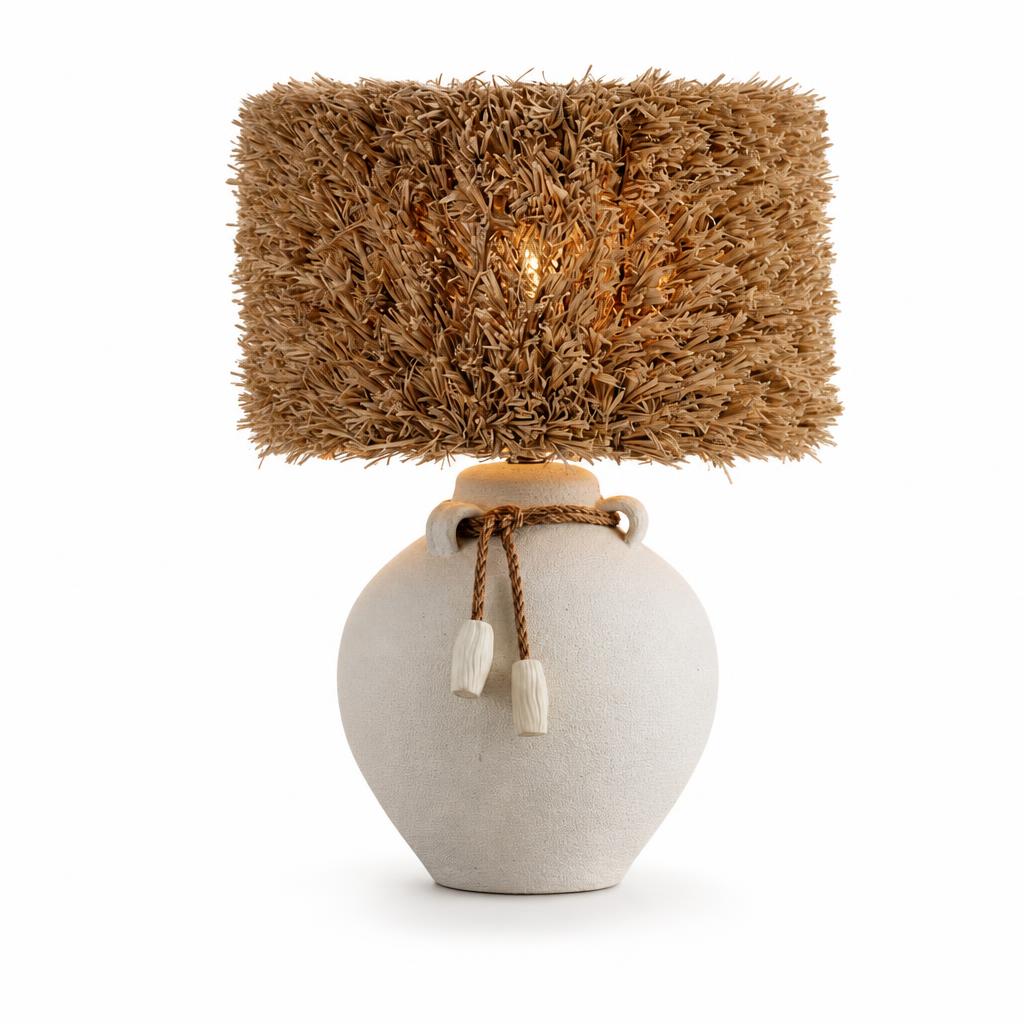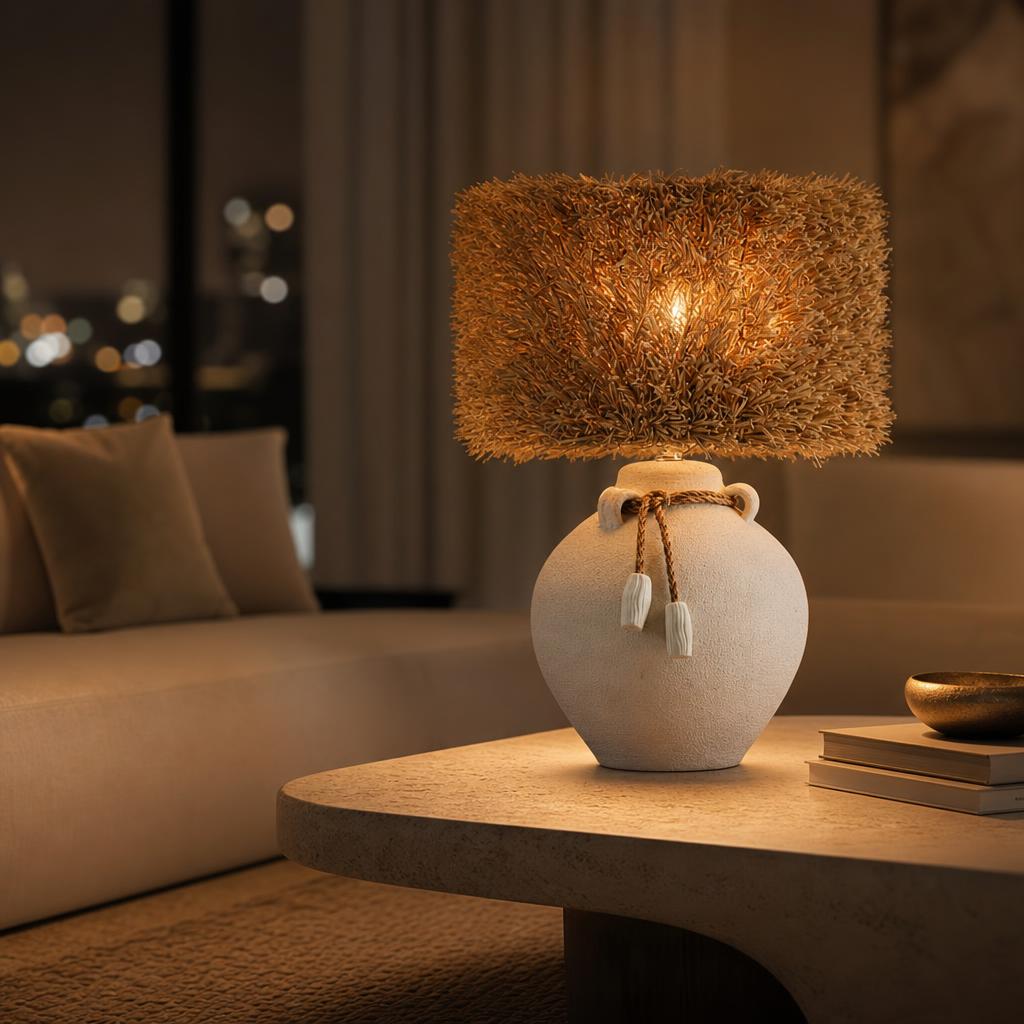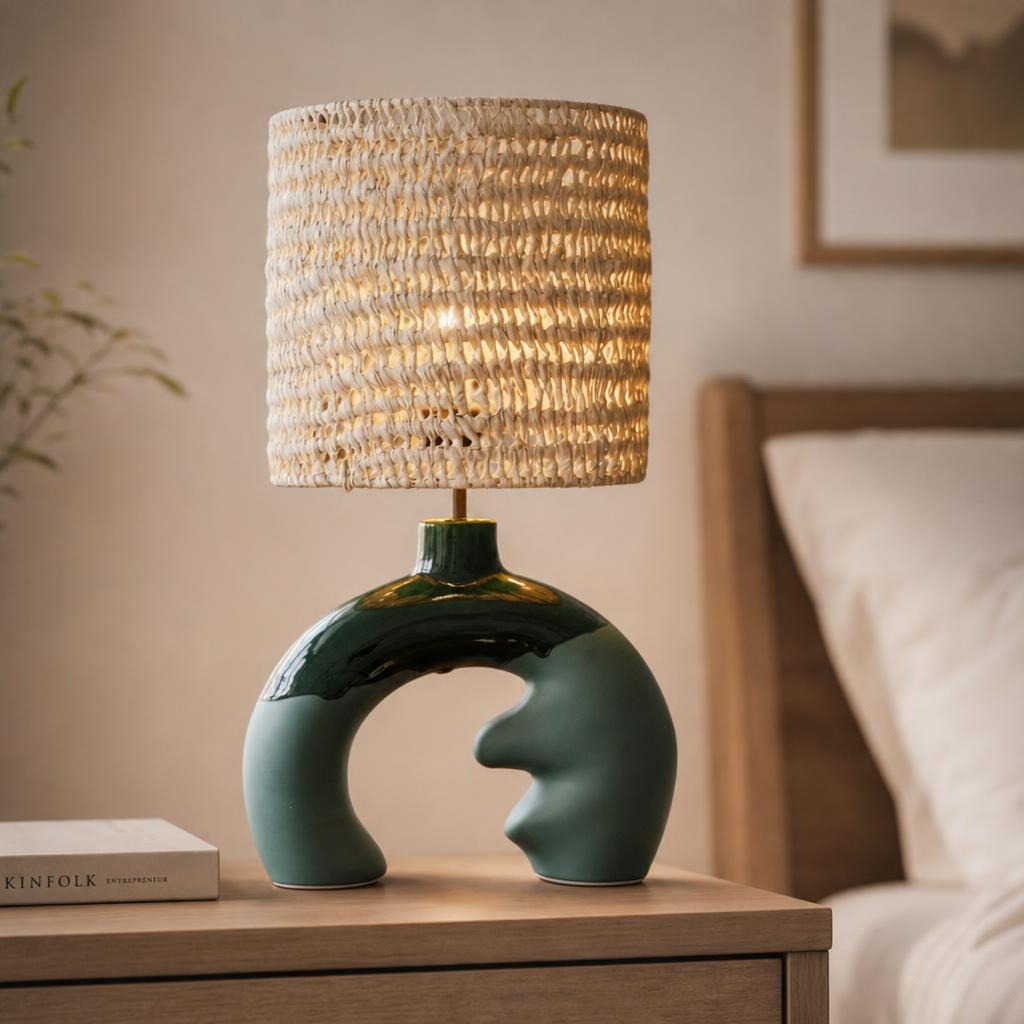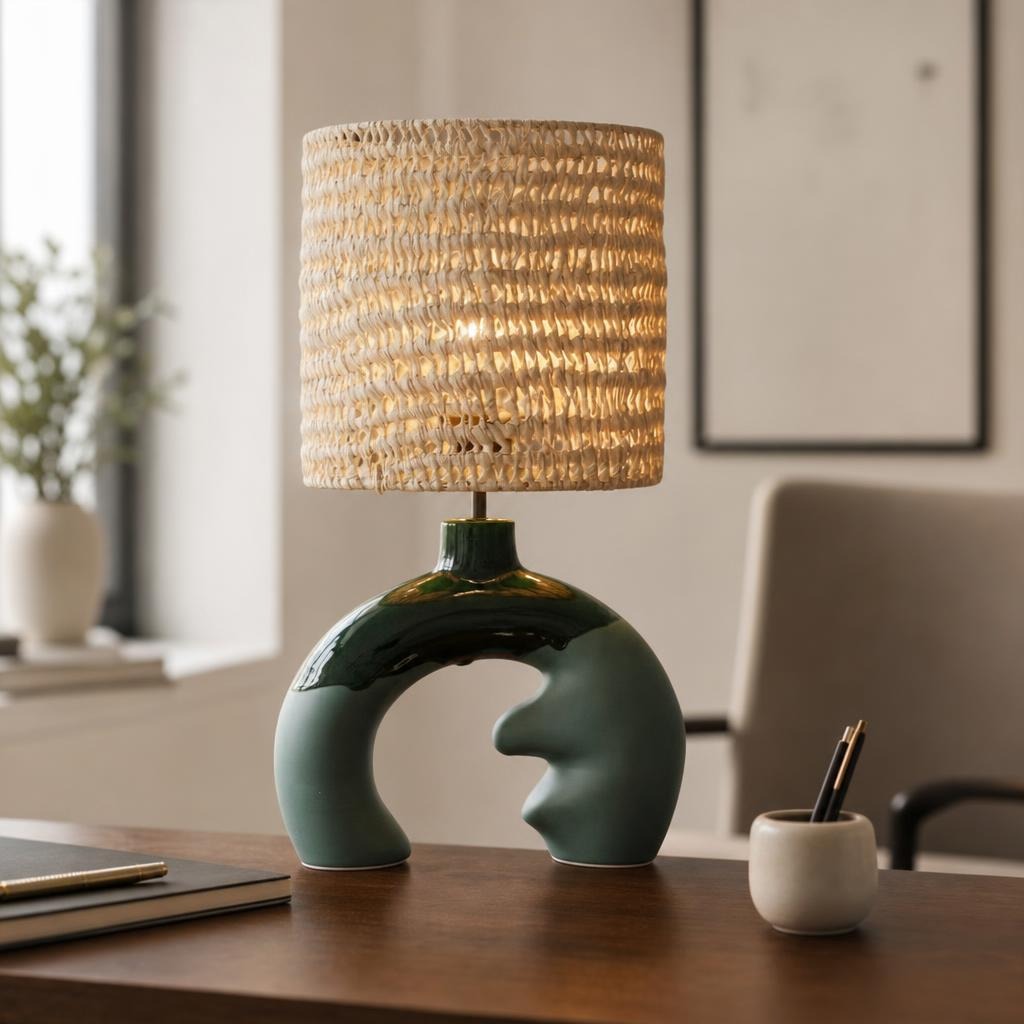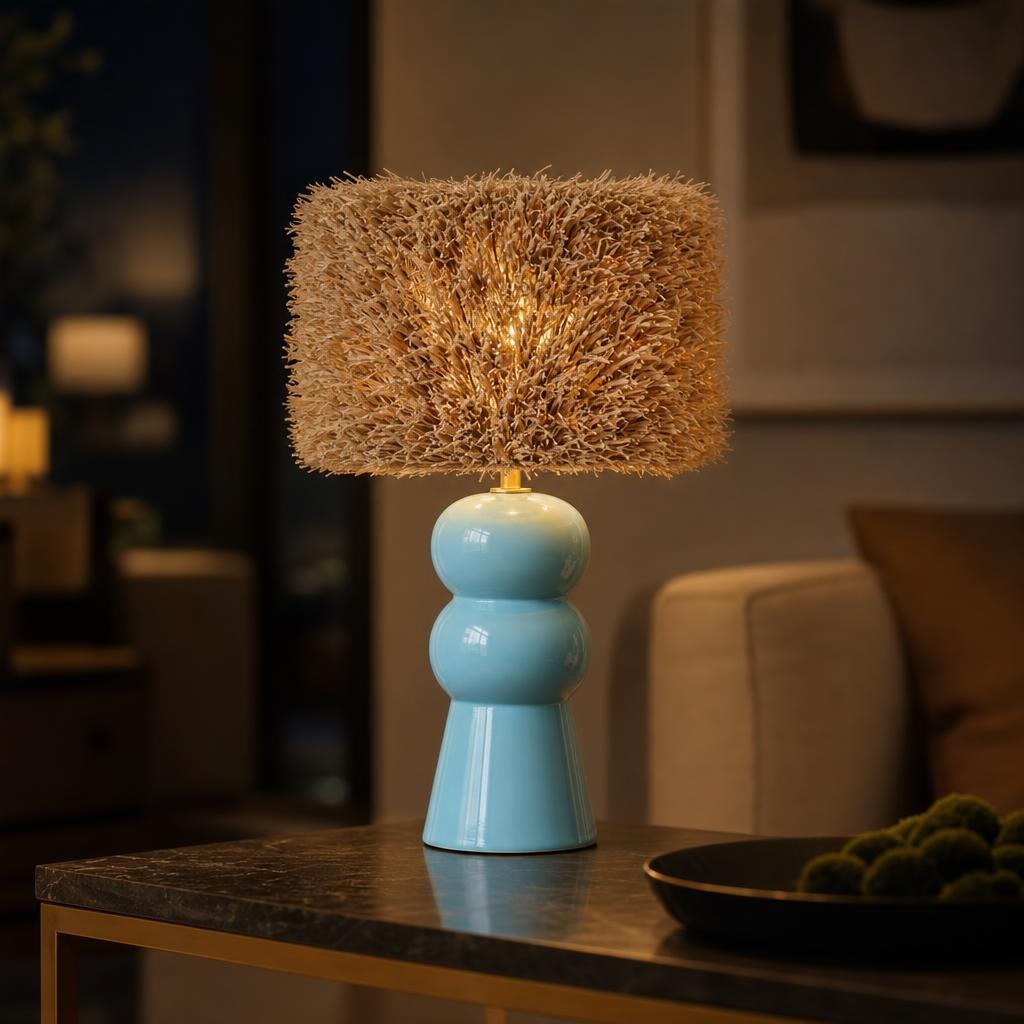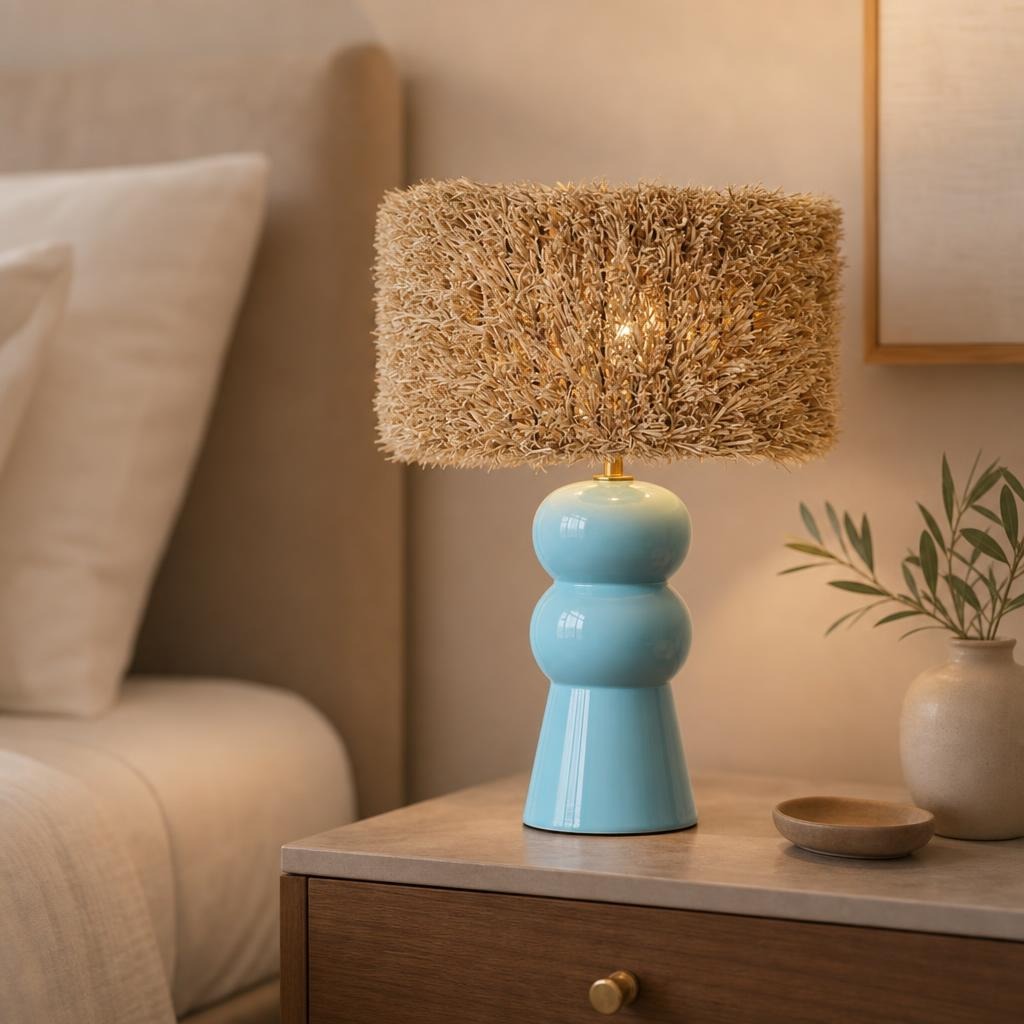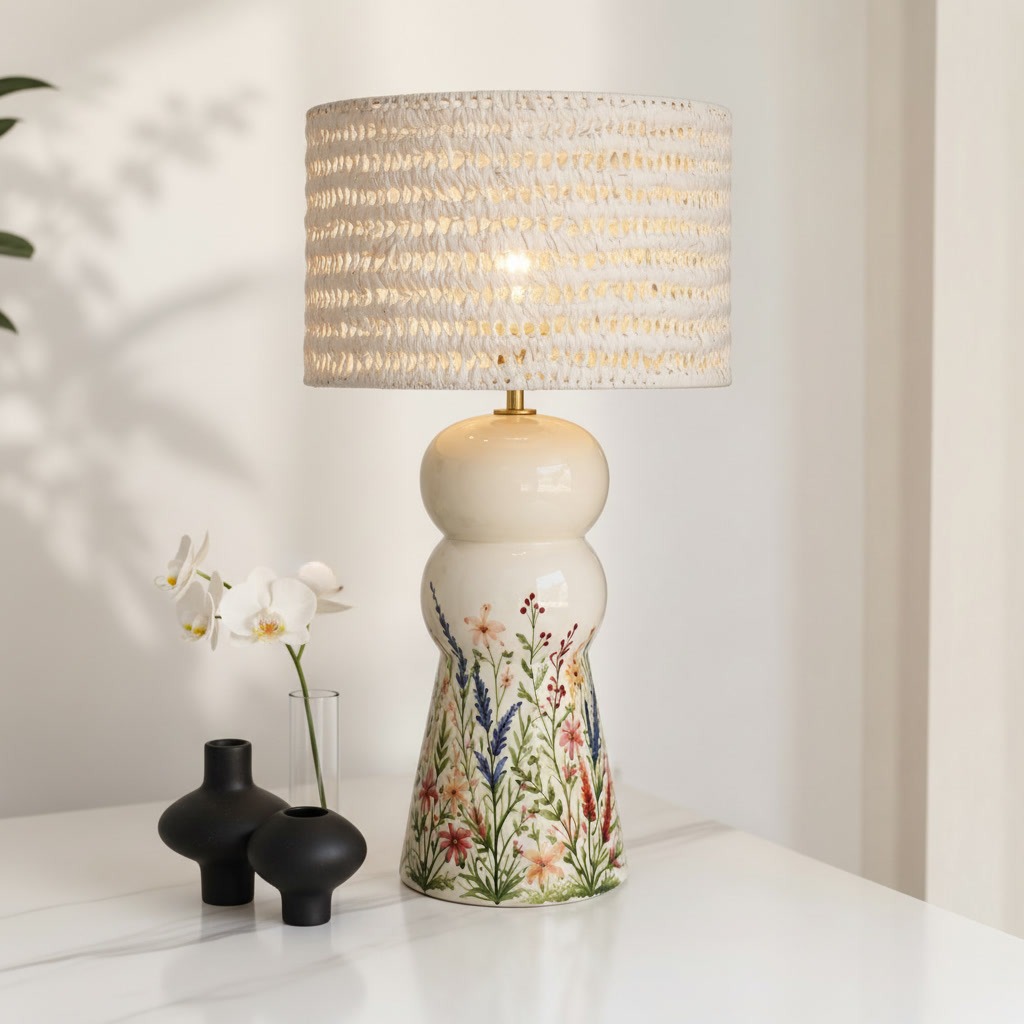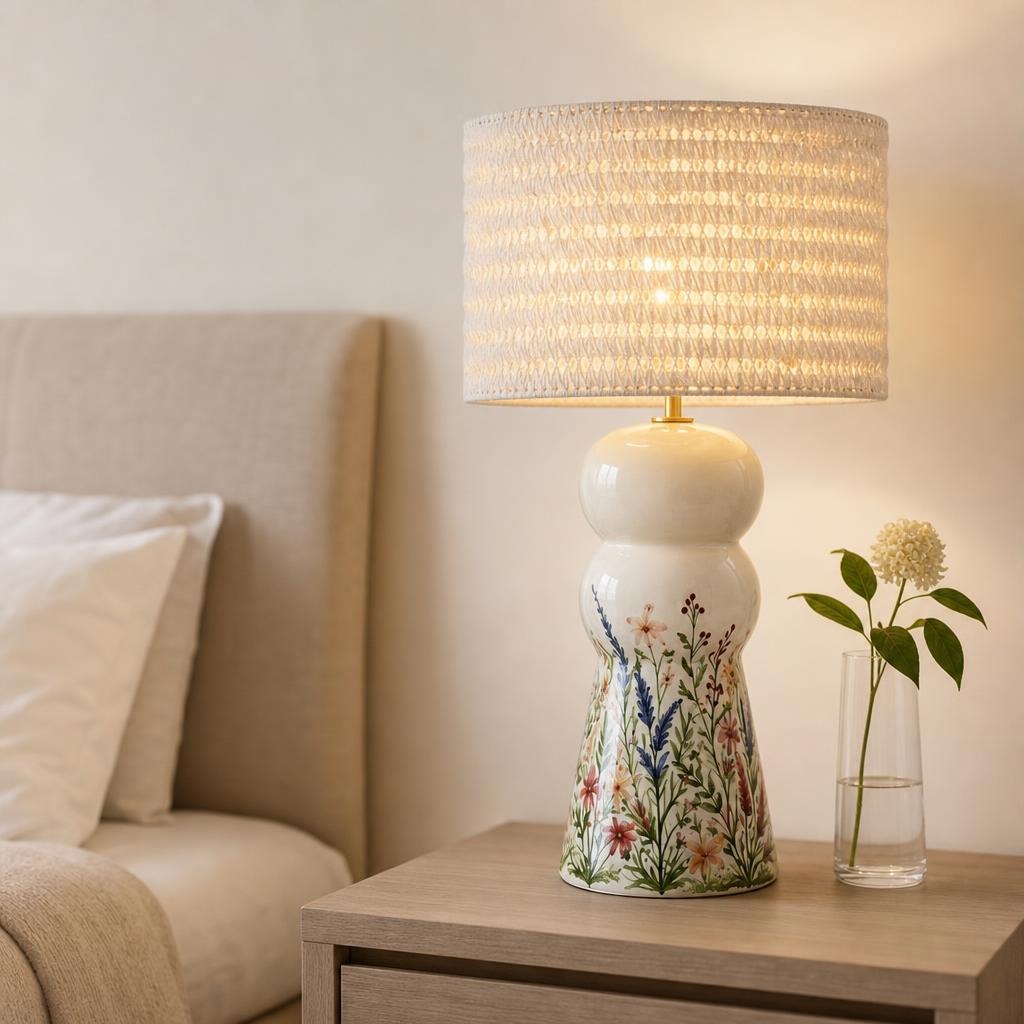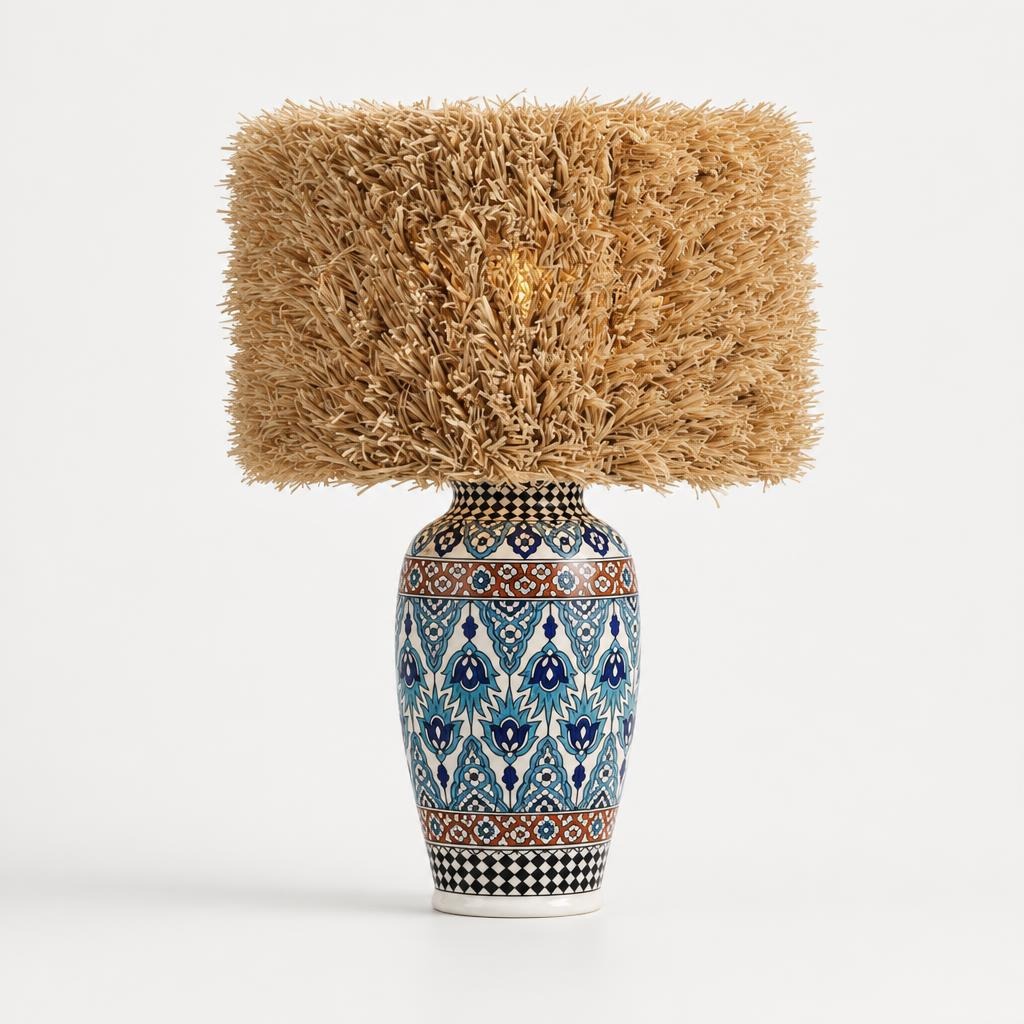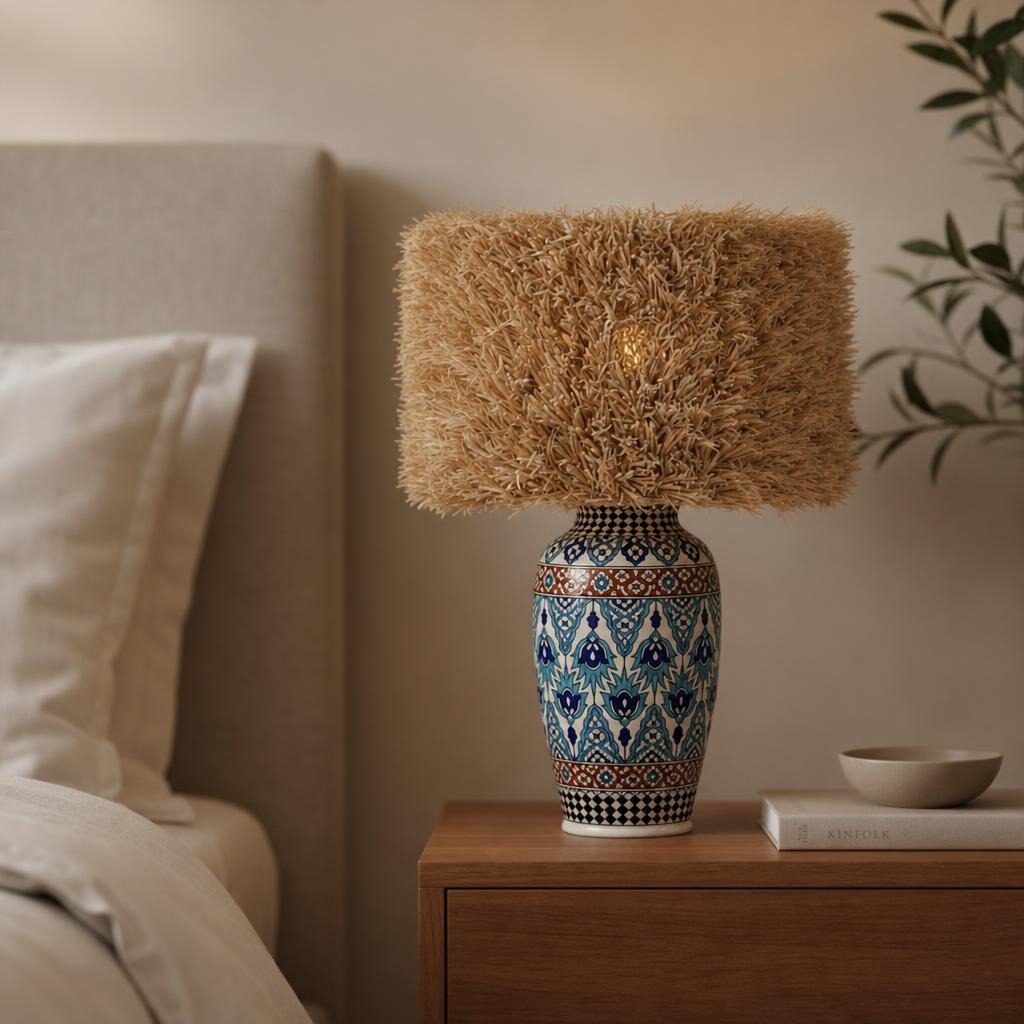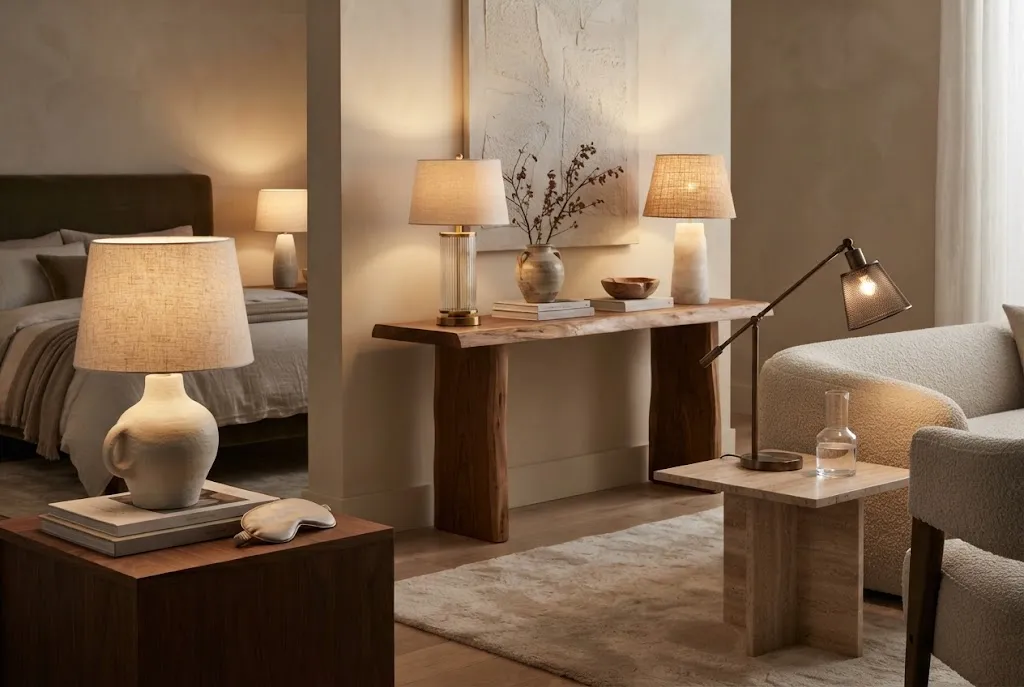
Ceramic table lamps combine practical lighting with sculptural design, bringing warmth, texture, and character to everyday interiors. Our collection features distinctive table lamps created to complement living rooms, bedrooms, side tables, consoles, desks, and reading corners. From compact accent lamps to expressive modern designs, each piece adds another layer of light while becoming part of the room’s visual identity. Whether you are looking for a ceramic table lamp to soften a contemporary space or a decorative light that creates a focal point, discover designs made to bring atmosphere and personality to your interior.
A table lamp can completely change how a room feels.
Beyond providing useful illumination, the right table lamp can soften a space, highlight materials and colors, create a more comfortable atmosphere, and become a decorative element in its own right.
Ceramic table lamps are particularly effective because they combine light with a material that naturally brings texture, form, and visual character into the home.
At Art Ceramico, our table lamp collection focuses on lighting that works as both a functional object and part of the interior design.
Whether placed on a side table in the living room, a console in an entryway, a bedside surface, or a quiet reading corner, a carefully chosen ceramic lamp can introduce warmth and personality without overwhelming the surrounding space.
Explore our selection of ceramic table lighting and discover designs that can be used individually or combined with our ceramic wall sconces and pendant lamps to create a more complete and layered lighting scheme.
Ceramic has been used for decorative objects for centuries because of its ability to combine shape, color, texture, and craftsmanship.
Those same qualities make it particularly well suited to lighting.
A ceramic lamp base can have a clean architectural shape, a softer organic silhouette, a textured surface, or a more expressive sculptural form.
Unlike a purely utilitarian light source, a ceramic table lamp contributes to the room even when it is switched off.
During the day, it becomes part of the furniture and decoration.
At night, the combination of the ceramic base and illuminated shade can introduce another level of atmosphere.
Modern interiors often combine smooth surfaces with natural or tactile materials to prevent a room from feeling flat.
Ceramic is useful in this context because it introduces visual texture without necessarily adding excessive decoration.
A ceramic table lamp can sit comfortably alongside materials such as wood, stone, metal, linen, rattan, glass, and woven textiles.
This versatility makes ceramic lamps suitable for a wide range of interiors.
They can add warmth to minimalist rooms, provide contrast in highly contemporary spaces, or reinforce the material richness of more layered interiors.
Lighting does not have to disappear into the background.
A well-designed table lamp can act as a decorative object while continuing to perform a practical function.
This is particularly useful on surfaces such as consoles and side tables where a lamp naturally becomes part of a small visual composition alongside books, ceramics, artwork, plants, or other objects.
The form of the lamp helps define that composition.
A compact lamp may provide a subtle accent.
A taller or more sculptural design can become one of the strongest objects in the arrangement.
The living room is one of the most natural places to use table lighting.
A central ceiling fixture may provide general illumination, but it rarely creates the same relaxed atmosphere as several smaller light sources positioned around the room.
Table lamps for living rooms allow you to introduce light closer to seating areas, side tables, consoles, and darker corners.
They can also reduce the need to rely entirely on strong overhead lighting in the evening.
Good living-room lighting usually works at several heights.
Pendant or ceiling lighting provides illumination from above.
Wall sconces introduce light at wall level.
Table lamps bring illumination closer to furniture and seating areas.
Used together, these sources create depth.
Instead of one uniformly bright room, different areas can have their own atmosphere.
A ceramic table lamp placed beside a sofa, for example, can create a softer zone for relaxing while wall or pendant lighting provides additional illumination elsewhere.
Side tables are ideal locations for table lamps because they position light close to seating.
When choosing a lamp for a side table, consider the relationship between the size of the lamp and the furniture below it.
A very large lamp can overwhelm a compact side table, while an extremely small fixture may feel lost on a substantial piece of furniture.
The proportions should feel intentional.
The surrounding objects matter too.
A ceramic lamp can work particularly well beside natural wood, stone, or textured upholstery because the materials complement rather than compete with each other.
The term modern table lamp can describe many different designs.
Modern lighting does not necessarily mean completely minimal or monochromatic.
A contemporary lamp can incorporate curved forms, contrasting materials, bold proportions, color, texture, or unusual silhouettes while still feeling clean and relevant to modern interiors.
Ceramic gives designers considerable freedom to work with shape.
That means a ceramic lamp can function almost like a small sculpture.
In a simple interior, this can provide exactly the amount of visual interest needed to keep the room from feeling too restrained.
Some contemporary interiors become overly dependent on metal, glass, smooth surfaces, and straight lines.
Ceramic lighting can soften this effect.
The material introduces a more tactile quality while the light itself adds warmth.
Pairing ceramic with materials such as woven or fabric shades can enhance that softer visual character even further.
The result can feel modern without feeling clinical.
Not every room requires a large statement lamp.
Small table lamps can be extremely useful where surface space is limited or where lighting needs to remain visually subtle.
A compact ceramic lamp may work well on:
Because a small lamp occupies less visual space, it can also be easier to combine with artwork, mirrors, plants, or decorative objects.
That does not mean small table lighting needs to be anonymous.
An interesting ceramic form or distinctive color can give even a compact lamp a strong visual presence.
An accent lamp is usually used to create atmosphere or highlight a particular area rather than illuminate an entire room.
Ceramic table lamps are naturally suited to this role.
Their relatively compact scale allows them to introduce light exactly where it is needed.
For example, an accent lamp can soften a dark corner, illuminate a console underneath artwork, bring warmth to a shelf arrangement, or make an entryway feel more welcoming.
Accent lighting is particularly effective in the evening.
Instead of turning on every ceiling light, several smaller lamps can create pools of illumination throughout the room.
This produces a more intimate and layered atmosphere.
Table lamps are frequently used in bedrooms because they offer convenient lighting close to the bed.
A ceramic lamp can introduce both practical illumination and decorative character to the bedside area.
The exact lamp you choose should depend on the dimensions of the furniture, the height of the bed, the type of shade, and how you intend to use the light.
For example, decorative ambient lighting has different requirements from focused reading light.
Always review the specifications of the individual lamp before choosing it for a specific task.
Two matching or complementary table lamps can create symmetry on either side of a bed.
This works particularly well when the bed is the central visual feature of the room.
A single lamp can create a more relaxed or asymmetric composition.
Both approaches can work.
The choice depends on the layout of the bedroom and the visual balance you want to achieve.
You also do not need every lamp in a room to be identical.
Lighting can feel coordinated through shared materials, colors, shapes, or proportions rather than exact matching.
Choosing a table lamp becomes easier when you consider the room, furniture, and intended use before focusing on aesthetics.
First decide where the lamp will be placed.
A living-room side table, bedside table, console, desk, and decorative shelf all have different proportions and lighting requirements.
Once the location is established, it becomes easier to determine an appropriate scale.
Height affects both appearance and function.
A tall table lamp can have a strong architectural presence and may provide useful light over a wider area.
A smaller lamp can feel more intimate and work better where you want the fixture to remain below the visual level of nearby objects.
There is no universal ideal height.
The lamp should relate comfortably to the surface beneath it and to the furniture around it.
A lamp should be considered as a complete object.
The ceramic base establishes much of the visual personality, while the shade strongly influences the overall proportions and how the light is distributed.
A broad shade can make a relatively narrow base feel more substantial.
A smaller shade can create a more vertical silhouette.
Different shade materials can also affect the warmth and softness of the illumination.
Always use the specific product information when evaluating dimensions and lighting characteristics.
One advantage of ceramic is the variety of colors and finishes it can support.
Color can completely change how a lamp relates to its surroundings.
A white ceramic table lamp can work well in bright, neutral, Scandinavian-inspired, coastal, contemporary, or minimalist interiors.
White ceramic does not necessarily disappear into the room.
Texture, shape, and contrast with the lampshade can still create considerable visual interest.
A sculptural white base can even become a focal point when placed against a darker surface or colored wall.
A black ceramic table lamp can introduce stronger contrast.
It can help anchor a light-colored console or side table and can work particularly well in contemporary interiors with black architectural details, darker furniture, or graphic contrasts.
The effect will depend heavily on the shape and finish of the ceramic.
Colored ceramic lamps provide an opportunity to bring a controlled accent into a room.
Blue, green, earthy, and warmer ceramic tones can connect with textiles, artwork, furniture, or decorative objects elsewhere in the interior.
The lamp does not need to match those elements exactly.
Often, colors that relate to each other rather than perfectly matching produce a more natural interior.
When we expand individual Art Ceramico product pages, each lamp can target the color-specific searches that genuinely match that product rather than forcing every color keyword into this collection.
A table lamp rarely exists alone.
Its surroundings influence how the design is perceived.
A ceramic lamp can help anchor one side of a console.
It can then be balanced by artwork, a mirror, books, plants, or other decorative objects.
Symmetry is optional.
An intentionally asymmetric arrangement often creates a more contemporary look.
A side-table lamp should relate both to the table and the nearby seating.
Consider how the lamp looks when viewed from different parts of the room rather than only from the front.
The base, shade, furniture, and sofa should feel like part of one composition.
An entryway lamp can make the entrance to a home feel significantly warmer.
A ceramic lamp placed on a console can provide gentle illumination while introducing the colors and materials that appear elsewhere in the interior.
Because an entryway creates an early impression of the home, lighting here can contribute strongly to the atmosphere.
Ceramic works particularly well with other tactile materials.
Combining ceramic with wood can create warmth.
Pairing it with woven fibers can introduce additional texture.
Stone provides a more substantial natural contrast, while metal details can make the composition feel sharper and more contemporary.
This material flexibility is one of the reasons ceramic lighting can work in many different design styles.
A lamp does not have to belong to a rigid category such as minimalist, rustic, modern, or traditional.
Well-proportioned ceramic lighting can often move comfortably between different aesthetics depending on the furniture and materials around it.
Lighting feels more intentional when different fixtures perform different roles.
A table lamp is excellent for localized and atmospheric lighting, but it does not need to work alone.
For overhead focal lighting, explore our pendant lamp collection.
Pendant lights can work particularly well above dining tables, kitchen islands, and central areas where lighting also needs to establish a visual focal point.
For illumination at wall level, explore our wall lamps and ceramic sconces.
Wall-mounted lighting can introduce another layer without occupying furniture or floor space.
Combining pendant lights, wall sconces, and table lamps allows each fixture to contribute differently while maintaining a connection through material, shape, or color.
You can also explore Art Ceramico to discover ceramic lighting across our collections.
There is no fixed number.
The correct amount depends on the size of the room, the furniture layout, available natural light, and other fixtures.
Instead of deciding based on a number, look at how illumination is distributed.
If one side of a large living room feels significantly darker than the other, an additional table or wall lamp may help balance the space.
If the room already includes pendant lighting and several sconces, fewer table lamps may be necessary.
The objective is a comfortable combination of light sources rather than filling every available surface with a lamp.
The strongest table lamps do not require you to choose between appearance and function.
A lamp can have an unusual ceramic form or distinctive color while still performing its role as an everyday source of light.
That balance is central to the Art Ceramico approach.
Our collection brings together table lighting that can become part of the visual identity of a room rather than simply disappearing into the background.
A ceramic table lamp might provide the finishing detail beside a sofa, soften a bedroom, transform an entryway console, or add warmth to an otherwise overlooked corner.
The best choice is the one that works with the proportions and practical requirements of your interior while adding something meaningful to the atmosphere.
Explore our ceramic table lamps to find lighting designed to combine form, texture, color, and everyday illumination.
A ceramic table lamp is a portable lamp that uses ceramic as a primary material in its base or body. Ceramic allows lamps to feature a wide variety of colors, textures, finishes, and sculptural shapes.
Yes. Ceramic table lamps work particularly well in living rooms because they can provide localized and atmospheric lighting while also contributing to the room's decoration. They can be placed on side tables, consoles, cabinets, or other suitable surfaces.
Common locations include side tables beside sofas or armchairs, console tables, cabinets, and darker areas that need an additional layer of illumination. Placement should depend on your furniture arrangement and lighting requirements.
Yes. Small table lamps are useful where available surface space is limited or where you want subtle accent lighting. They can work on compact side tables, consoles, shelves, bedside furniture, and other smaller surfaces.
An accent lamp is a smaller light source used primarily to add atmosphere, highlight an area, or contribute to the visual composition of a room. Many ceramic table lamps can work effectively as accent lighting.
Yes. Ceramic table lamps can be used as decorative bedside lighting where the dimensions and lighting characteristics of the individual fixture suit the intended use.
Ceramic lamps can suit both modern and more traditional interiors. The final style depends on the form, finish, color, shade, and surrounding furniture. Sculptural ceramic bases are particularly well suited to contemporary interiors.
Consider the existing palette and materials in your room. White ceramic can create a light and versatile appearance, darker ceramic can provide contrast, and colored ceramics can introduce an accent that connects with artwork, textiles, or furniture.
Yes. Table lamps and wall sconces illuminate a room at different heights, making them useful together in a layered lighting plan. Browse our ceramic wall sconces to explore complementary wall lighting.
Yes. Pendant lighting can provide overhead illumination or a central focal point, while table lamps create localized pools of light around furniture. Explore our pendant lamps to combine both types of lighting in the same interior.