 Skip to navigation
Skip to main content



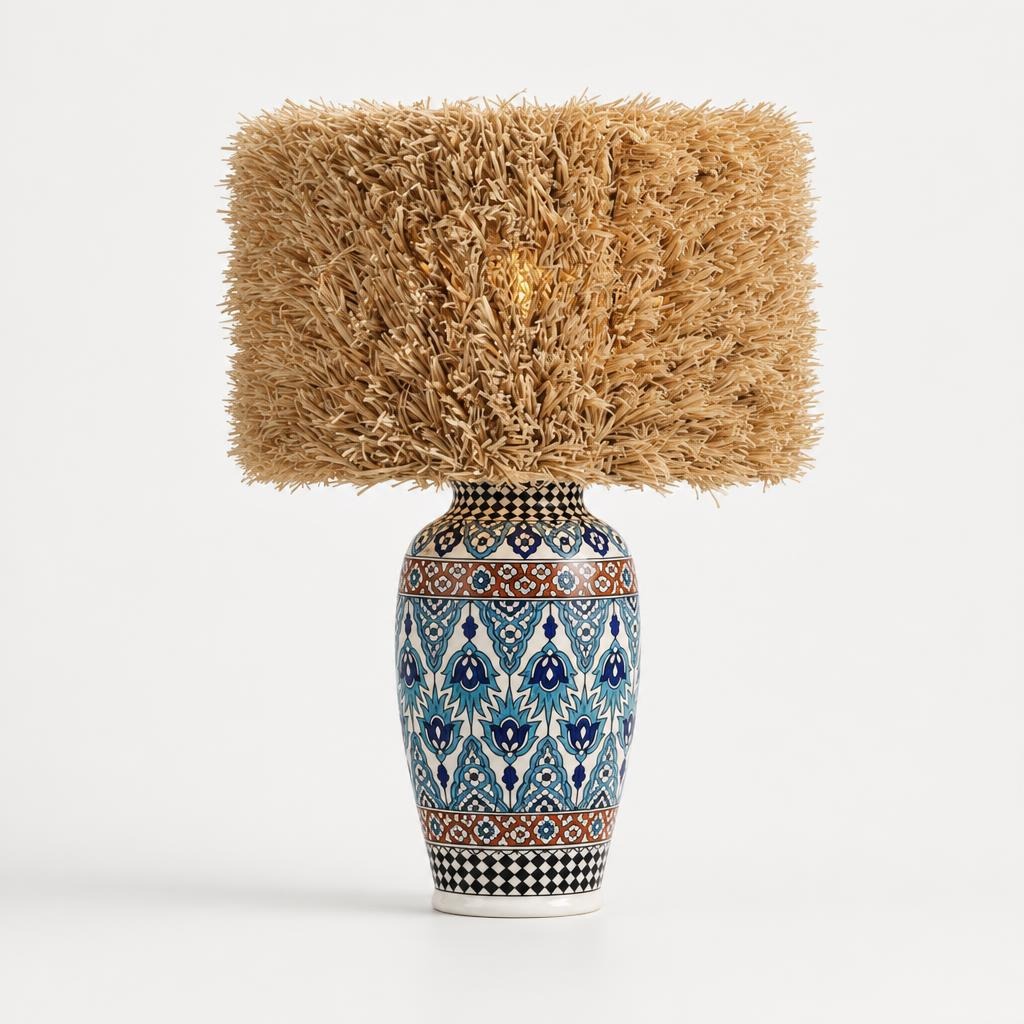
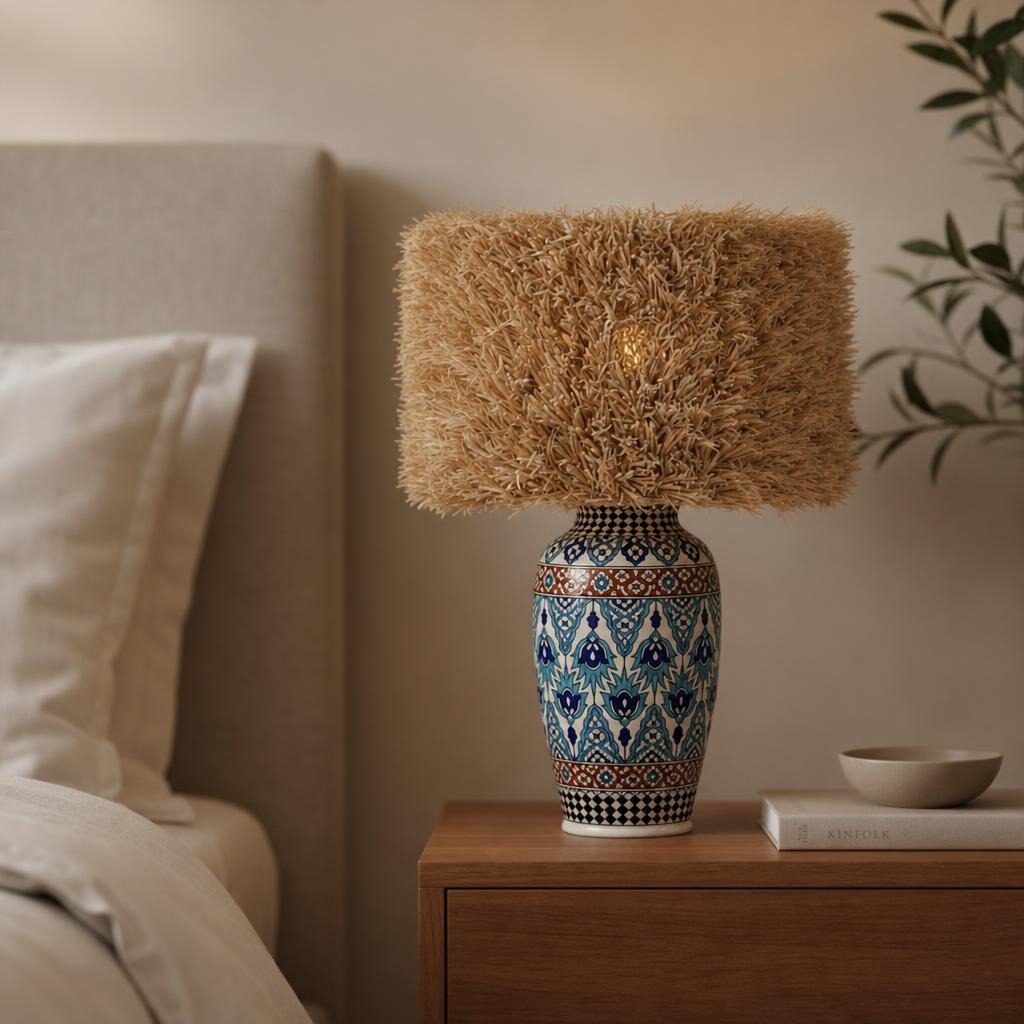
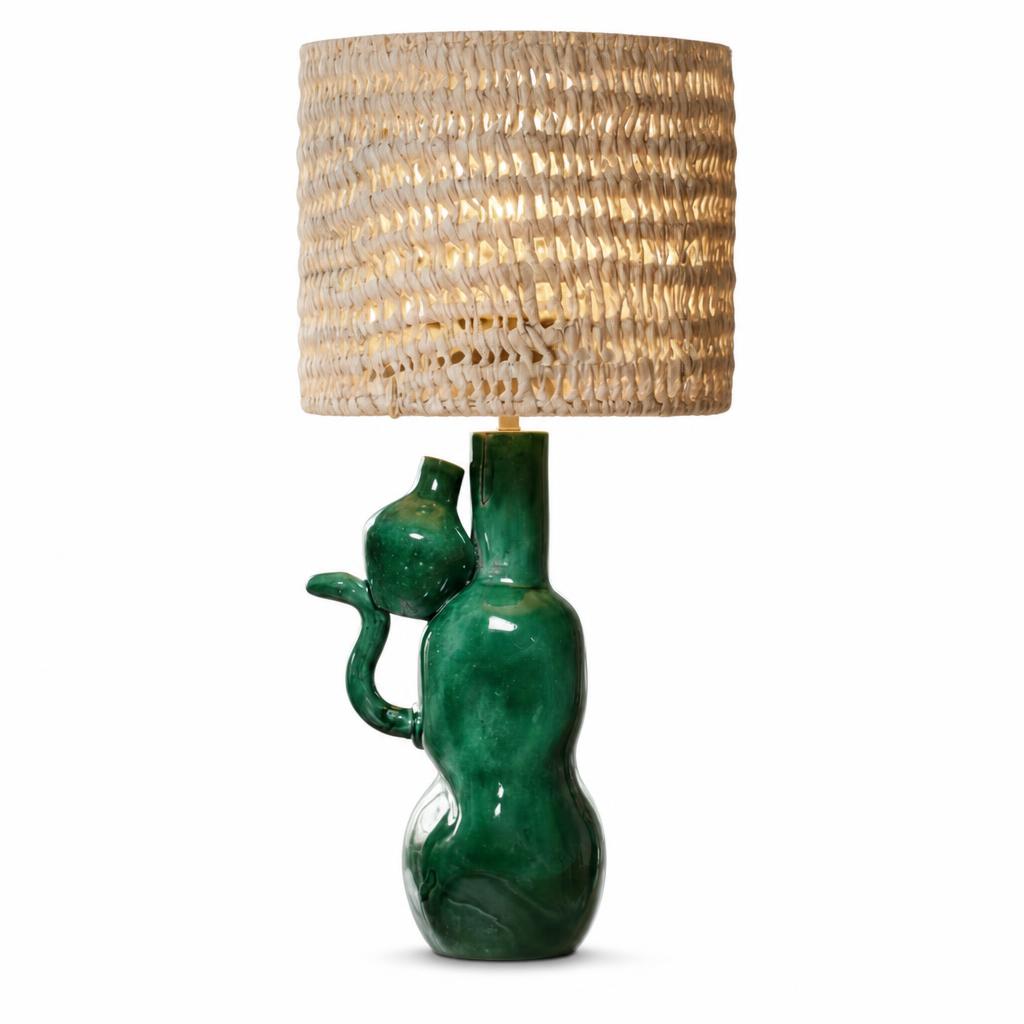
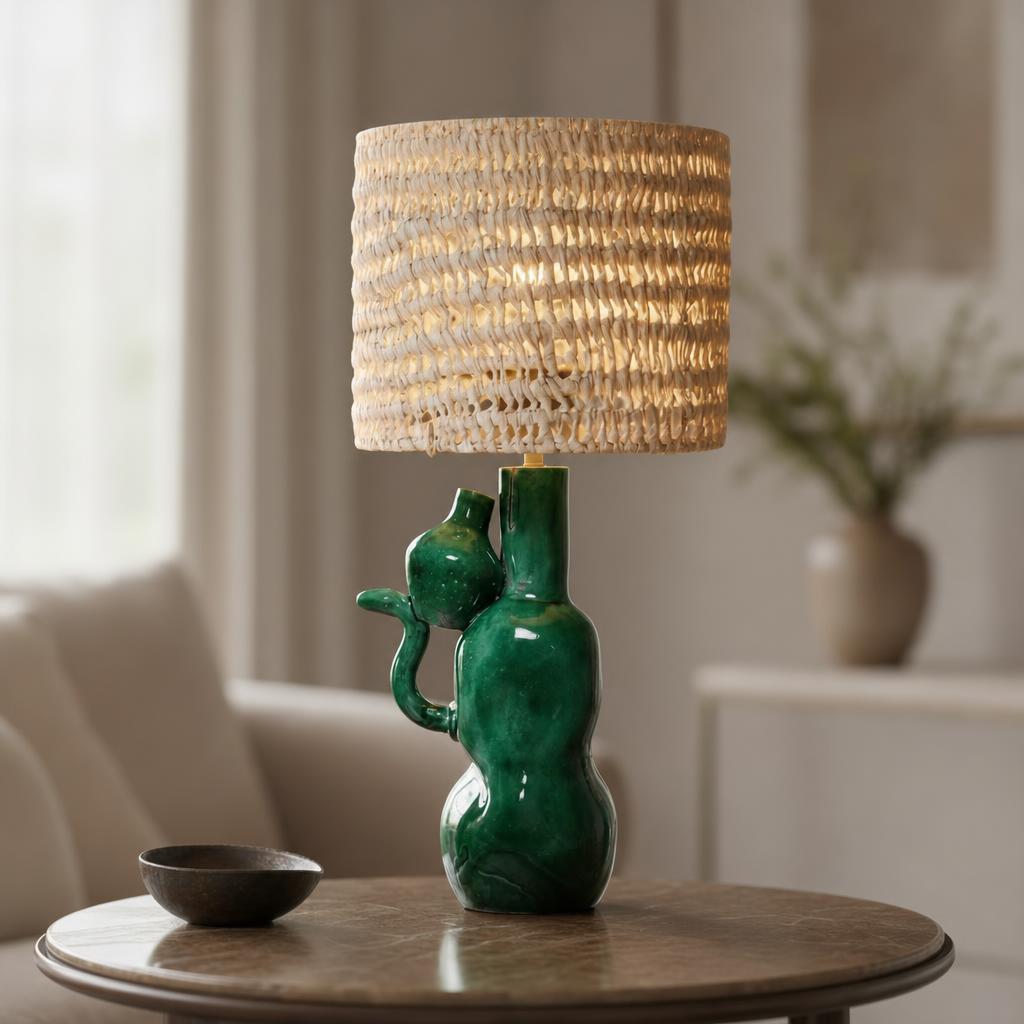
Patterned Ceramic Table Lamp with Raffia Fringe Shade
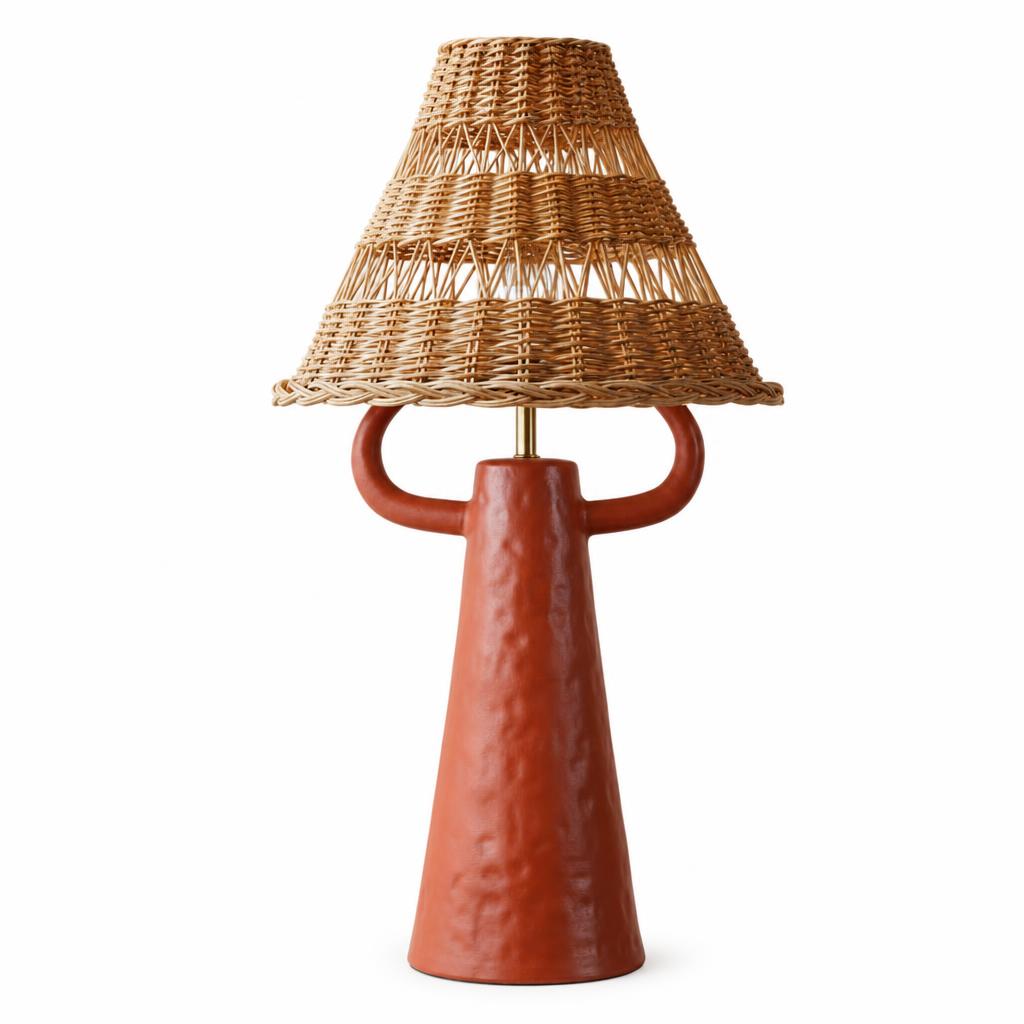
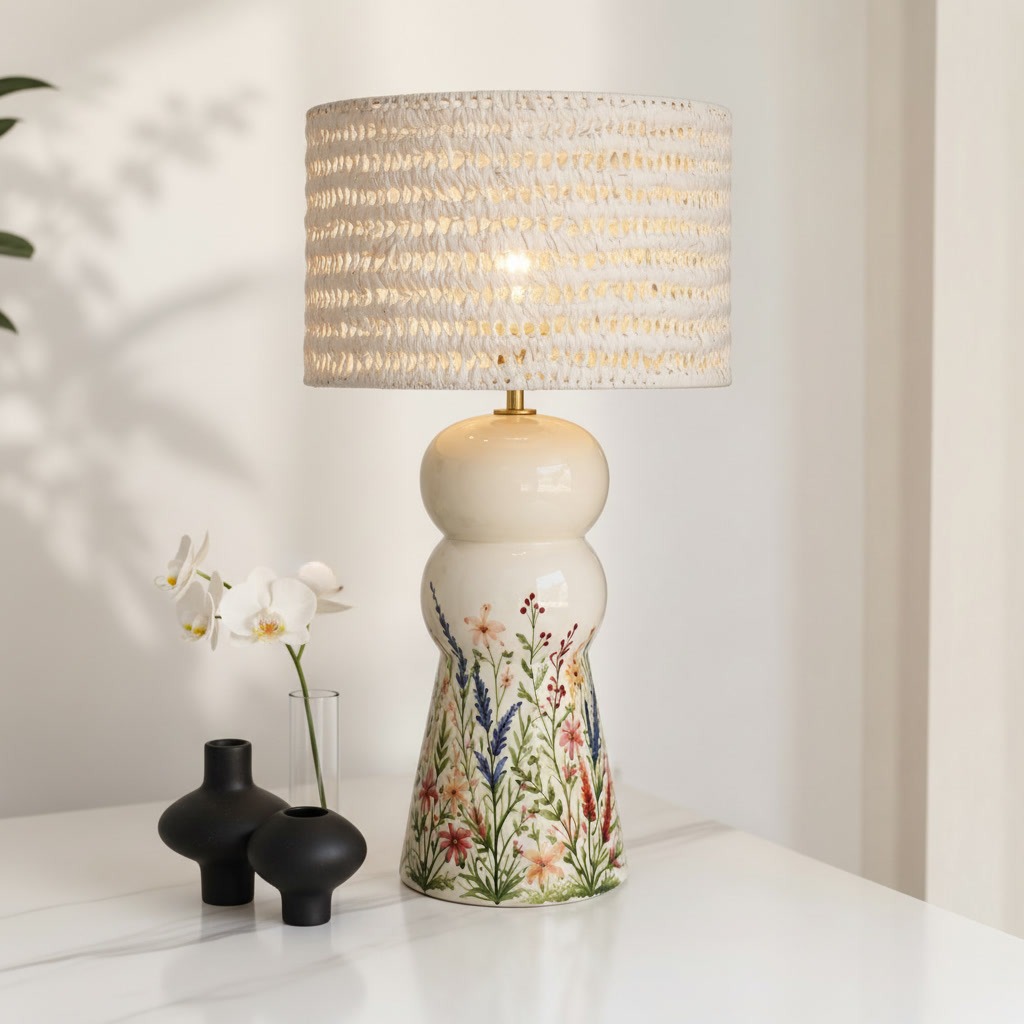
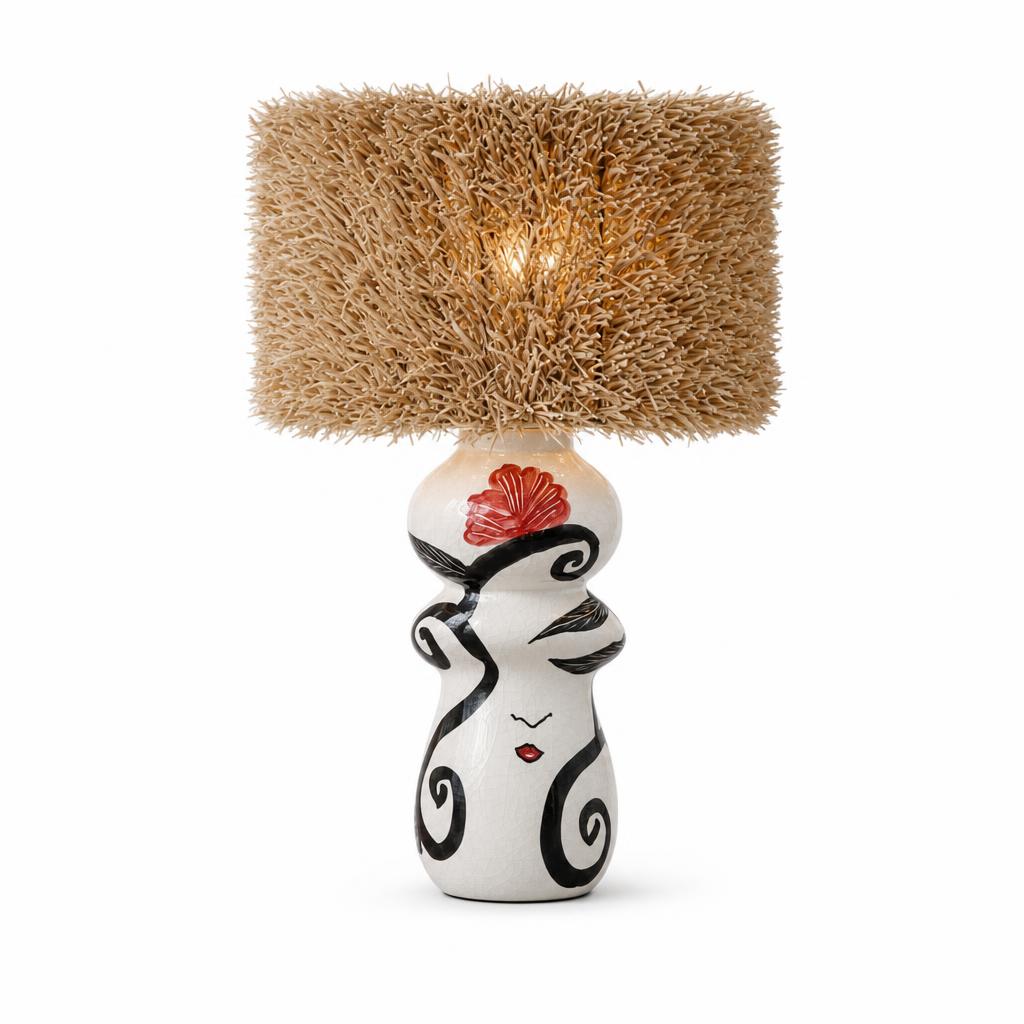
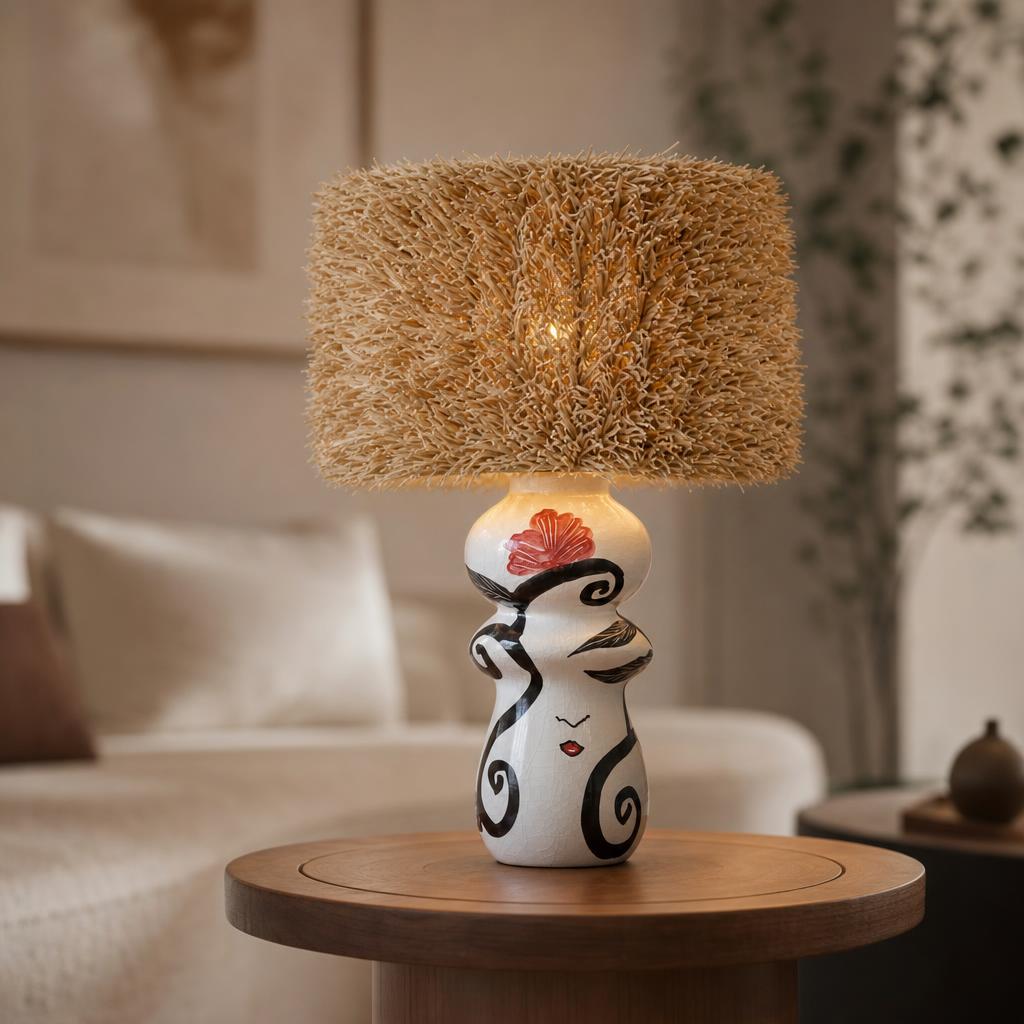
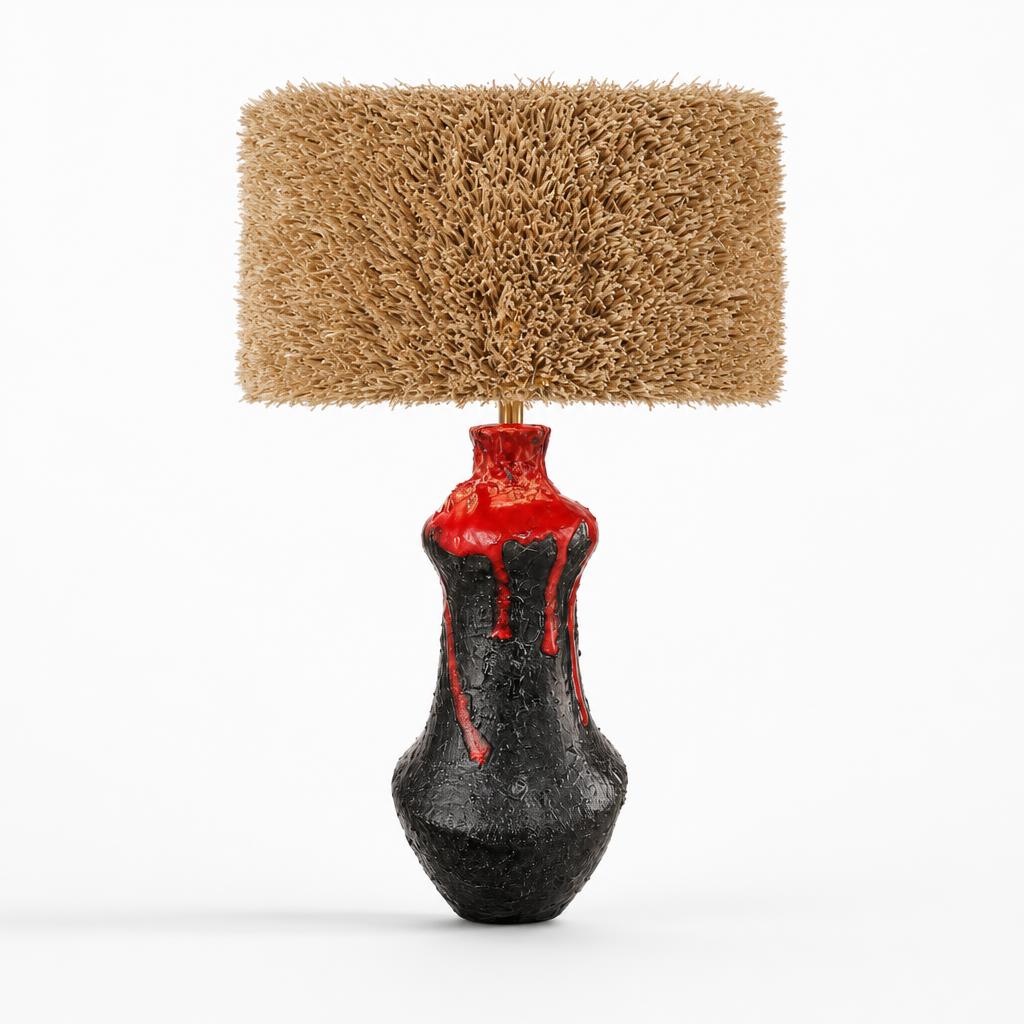
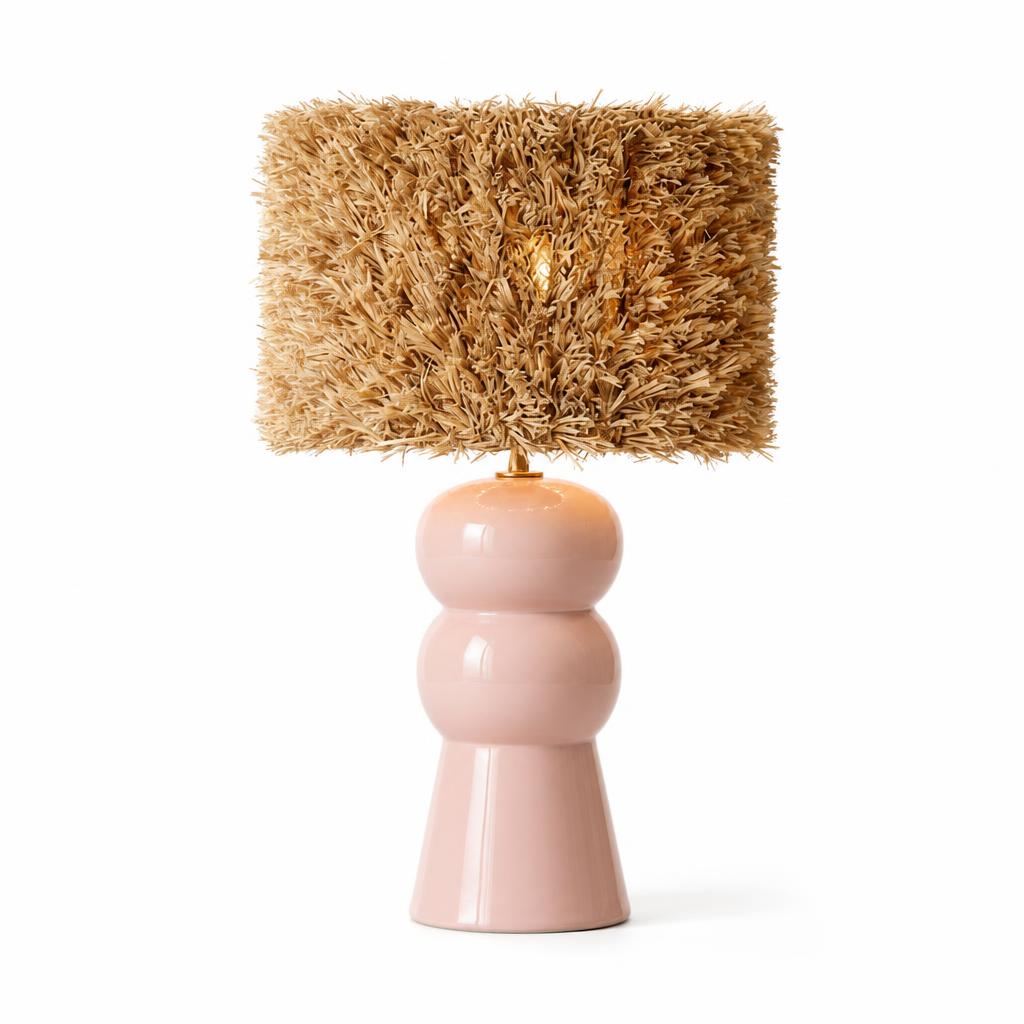
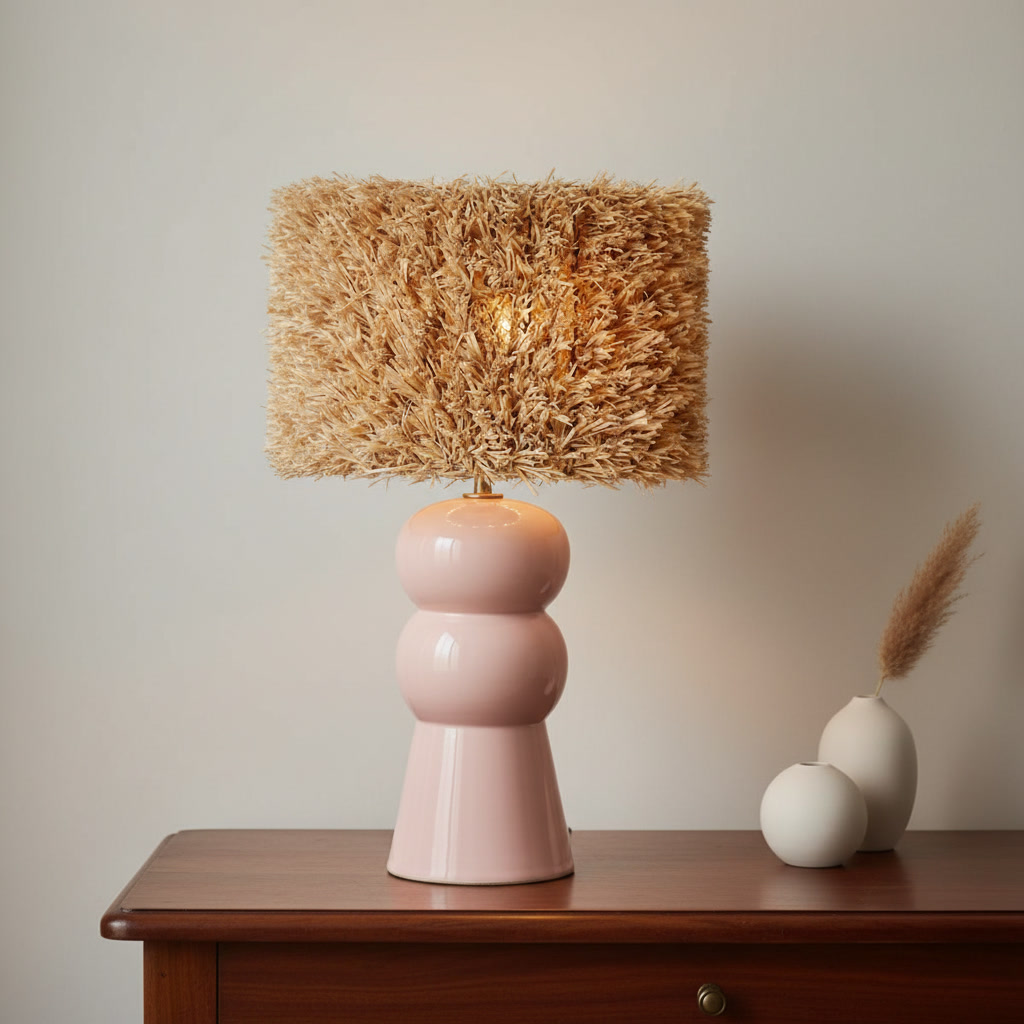
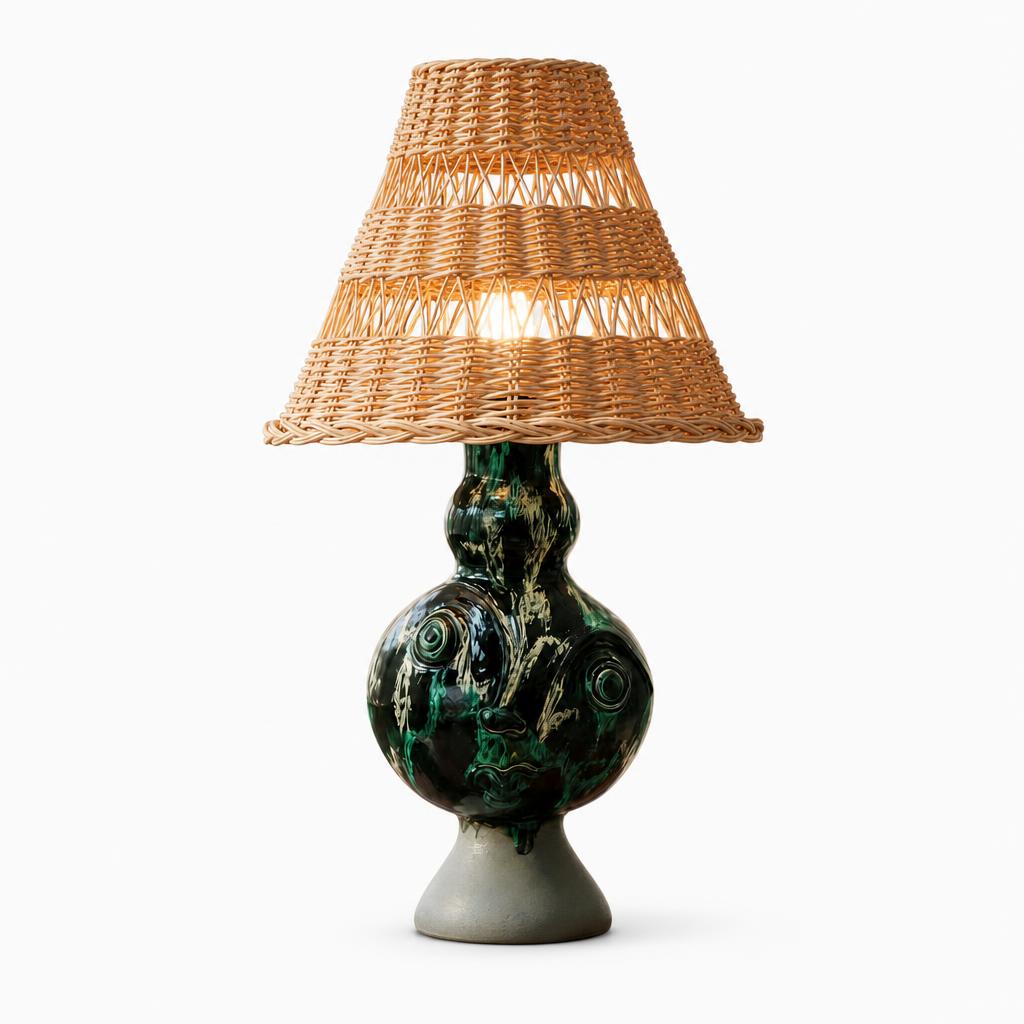
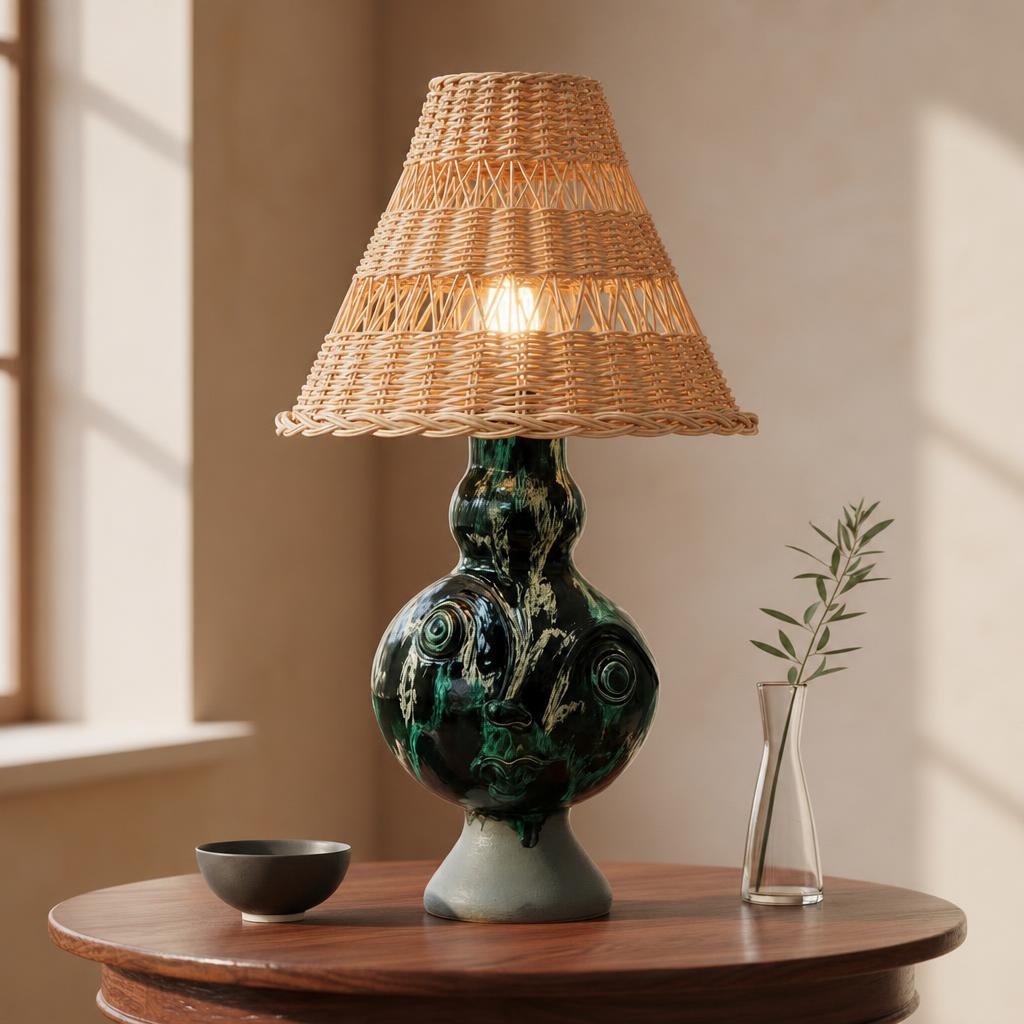
Add color, pattern, and natural texture to your interior with this patterned ceramic table lamp, featuring a decorative ceramic base in blue, aqua, terracotta, and white tones, finished with a tactile natural raffia fringe shade.
$270.00
Design Highlights
The ceramic base combines geometric and botanical-inspired decoration with bands of blue, aqua, terracotta, and white. A textured raffia fringe shade adds natural warmth above the detailed base, creating a statement lamp with a collected, expressive character.
Materials & Finish
- Decorative ceramic base
- Natural raffia / straw-style fringe shade
- Blue, aqua, terracotta, and white color palette
- Textured woven shade
- Indoor decorative lighting
Where It Works Best
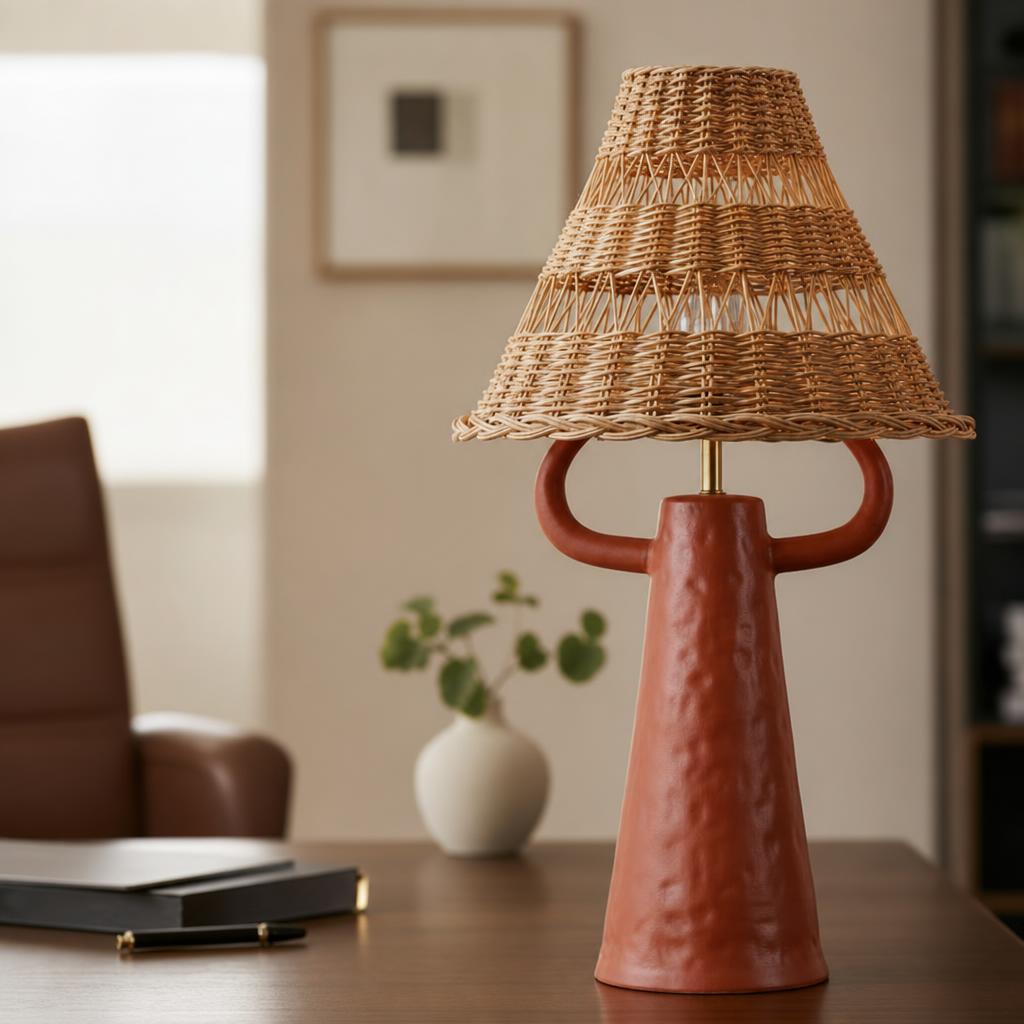
Designed for living room side tables, bedroom nightstands, console tables, entryways, reading corners, and other spaces where a patterned ceramic lamp can introduce color and personality.
Product Details
Type: Table Lamp
Main Material: Ceramic
Shade: Natural Raffia / Woven Fiber
Colors: Blue, Aqua, Terracotta, White & Natural Beige
Style: Decorative / Eclectic / Contemporary
Use: Indoor
Art Ceramic protections
- Secure payments
- Data privacy
- Money-back guarantee
- Delivery guarantee
- 24/7 support
- Easy returns and refunds
Patterned Ceramic Table Lamp with Raffia Fringe Shade
Lighting can become one of the easiest ways to introduce pattern, color, and personality into an interior.
This patterned ceramic table lamp combines a richly decorated ceramic base with a natural raffia fringe shade, creating a piece that feels both expressive and grounded.
The ceramic base immediately draws the eye through its layered decoration. Blue and aqua tones sit alongside warmer terracotta accents and white details, creating contrast without relying on a single dominant color.
Above it, the textured shade brings a completely different material quality.
The result is a decorative table lamp that works not only as a source of light, but also as a visual object that can help define the character of a room.
A Decorative Ceramic Base with Layered Pattern
The base is the focal point of the design.
Instead of relying on a plain monochrome glaze, the ceramic surface uses several decorative motifs and color bands to create movement around the lamp.
Geometric details bring structure.
Floral and organic-inspired elements soften the composition.
The checker-style trim near the lower section adds another visual rhythm.
Because the decoration wraps around a traditional rounded lamp form, the pattern becomes part of the three-dimensional shape rather than simply sitting on a flat surface.
This gives the lamp more presence when viewed from different positions in the room.
For anyone looking for a decorative ceramic table lamp, this type of detailed surface offers a stronger statement than a simple neutral base.
Blue, Aqua and Terracotta Accents
The color palette gives the lamp much of its personality.
Cool blue and aqua tones create contrast against warmer terracotta details, while white sections help keep the overall composition balanced.
This mix allows the lamp to work with both cool and warm interior palettes.
In a neutral room, it can become the primary color accent.
In a more layered interior, its individual tones can connect with textiles, artwork, ceramics, rugs, and furniture already present in the space.
For example, blue details can relate to cushions or wall art, while the terracotta accents can connect naturally with warm woods, clay objects, and earthy textiles.
You do not need to repeat every color elsewhere in the room.
Choosing one or two colors from the lamp is usually enough to make the styling feel intentional.
Natural Raffia Fringe Shade
The natural shade balances the detailed ceramic base.
Where the ceramic is colorful and visually precise, the raffia has a softer, more irregular texture.
That contrast prevents the lamp from feeling overly formal.
The woven fibers introduce warmth, movement, and a tactile quality that works naturally with materials such as linen, timber, stone, wool, and other handcrafted-looking surfaces.
The fringe around the shade also gives the lamp a more relaxed silhouette.
Together, the ceramic base and natural shade create a useful balance between decoration and texture.
A Statement Table Lamp for Living Rooms
Living rooms offer an ideal setting for a lamp with this much visual character.
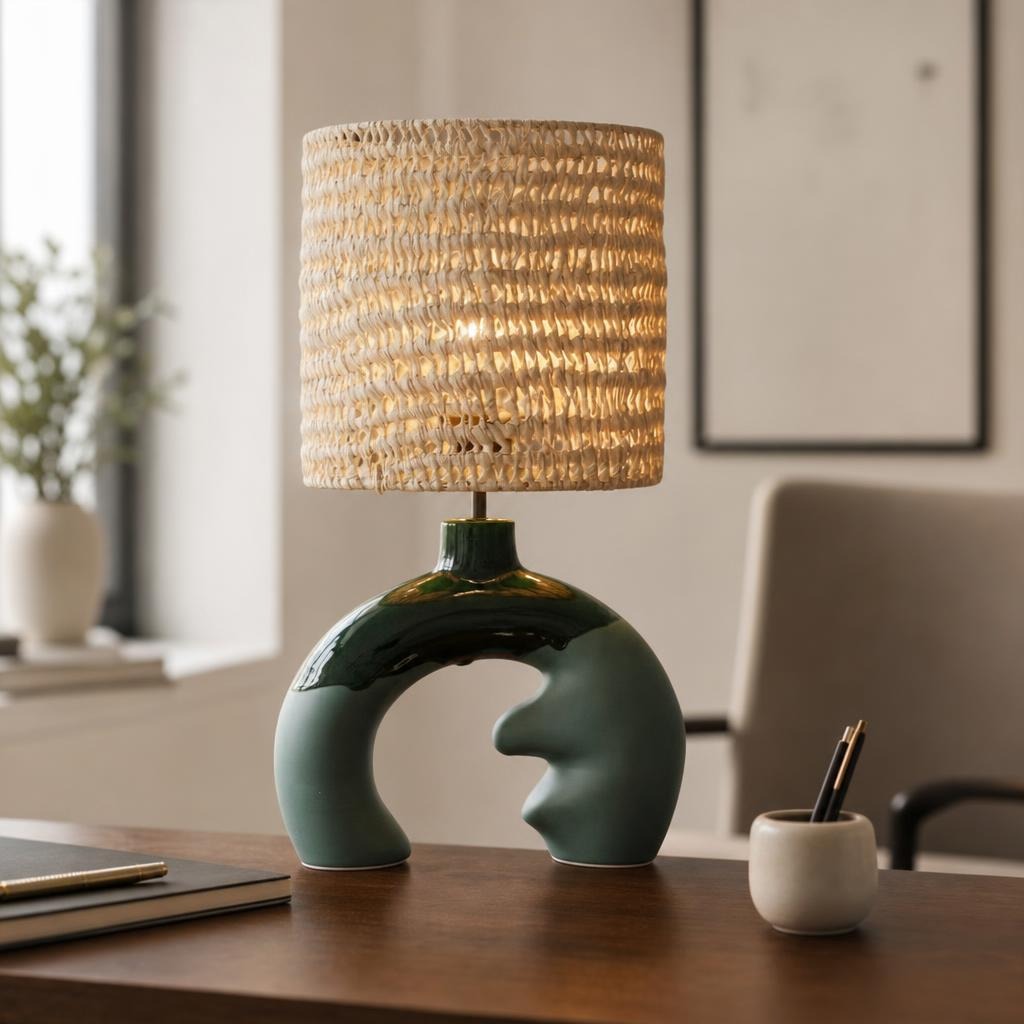
Place it on a side table next to a neutral sofa or armchair and it can immediately become an accent within the seating area.
Because the ceramic base already includes several colors and patterns, surrounding furniture can remain relatively simple.
Warm white upholstery, natural wood, beige linen, plaster walls, and stone surfaces can all provide a quiet backdrop that allows the lamp to stand out.
On a console or sideboard, the lamp can become part of a larger decorative arrangement.
Try combining it with a small group of books, artwork, a vase, or another ceramic object while leaving enough open space around the base for its decoration to remain visible.
Browse more Ceramic Table Lamps to build a layered lighting scheme.
Pattern and Color for Neutral Interiors
Neutral interiors can benefit from one or two expressive objects.
A patterned table lamp is particularly effective because it introduces color without requiring permanent changes to the room.
You can keep walls, sofas, rugs, and large pieces of furniture relatively quiet while allowing lighting, art, textiles, and smaller decorative objects to provide personality.
The mixed palette of this lamp makes that approach particularly flexible.
It can introduce blue without making the entire room blue.
It can add terracotta without requiring a fully earthy palette.
The natural raffia shade also helps connect the stronger ceramic pattern back to warmer neutral materials.
A Decorative Bedside Lamp
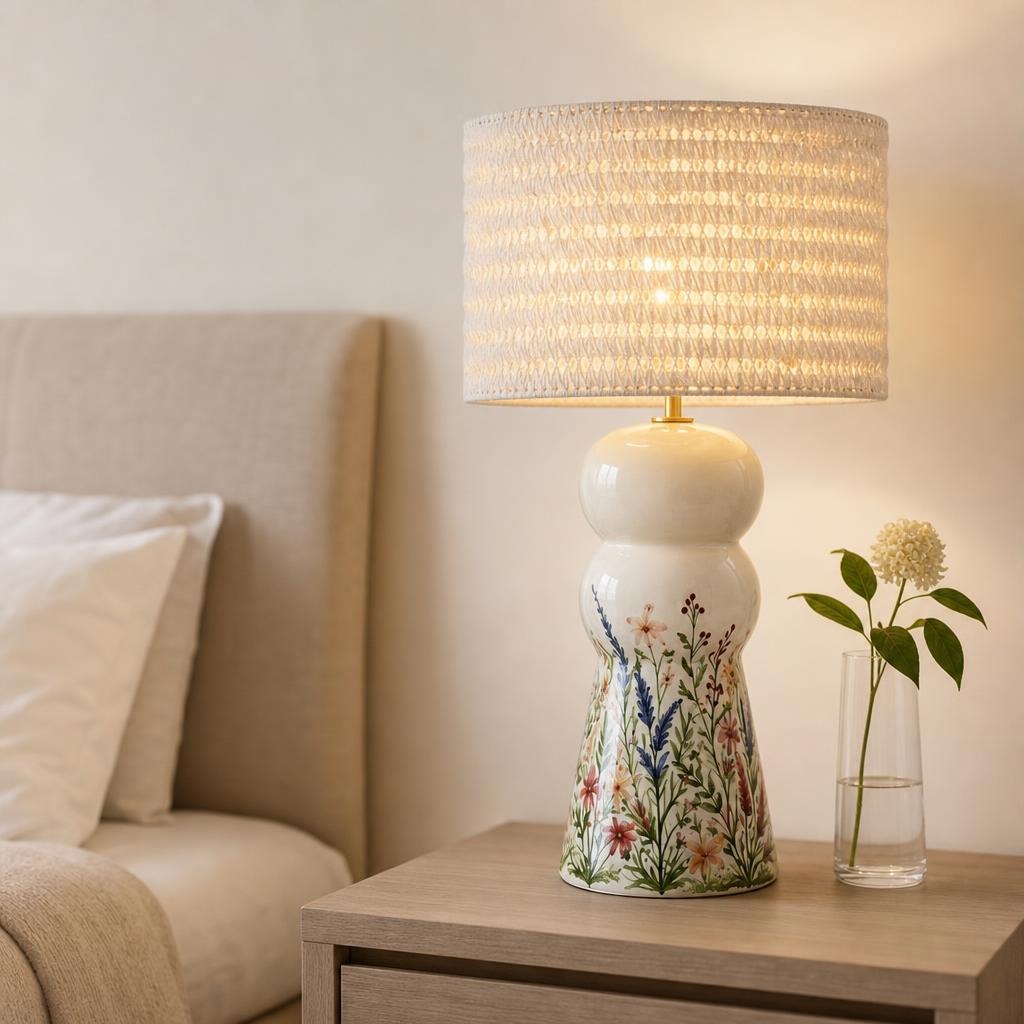
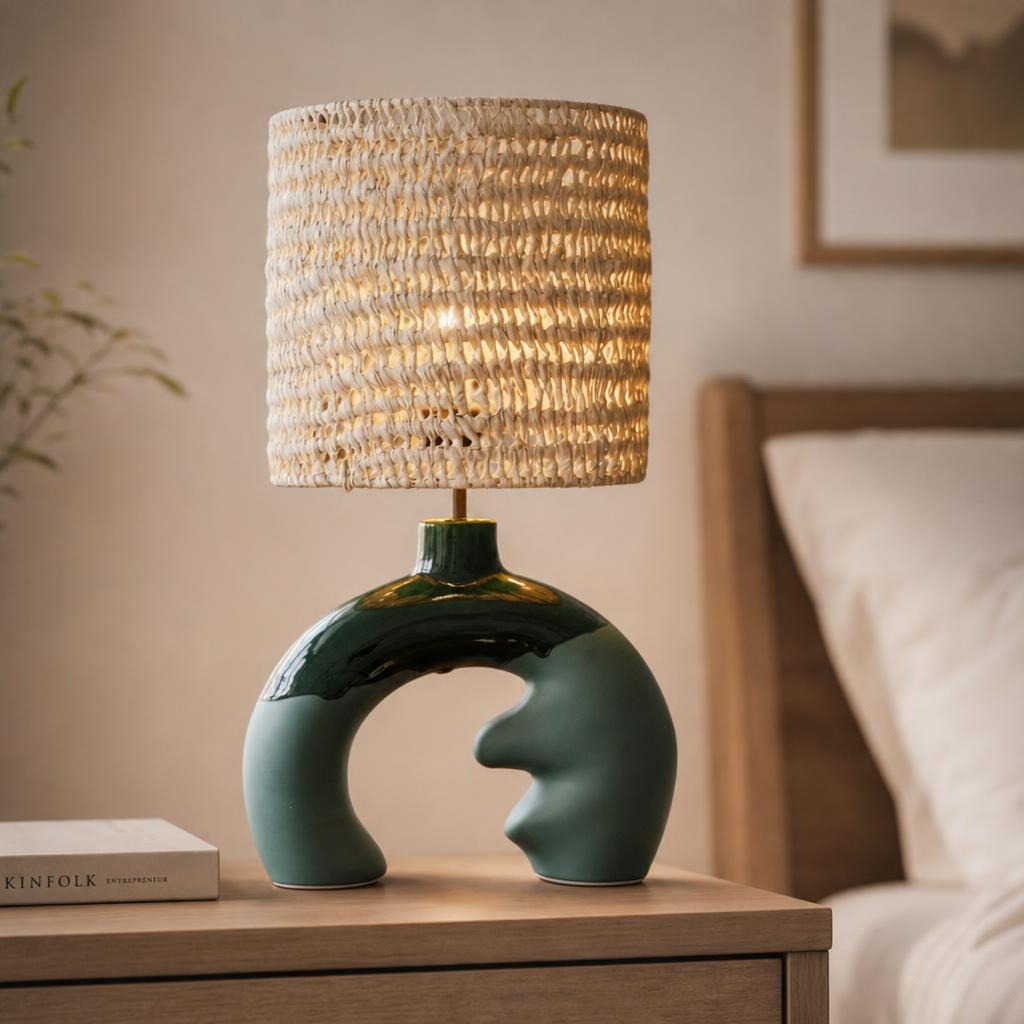
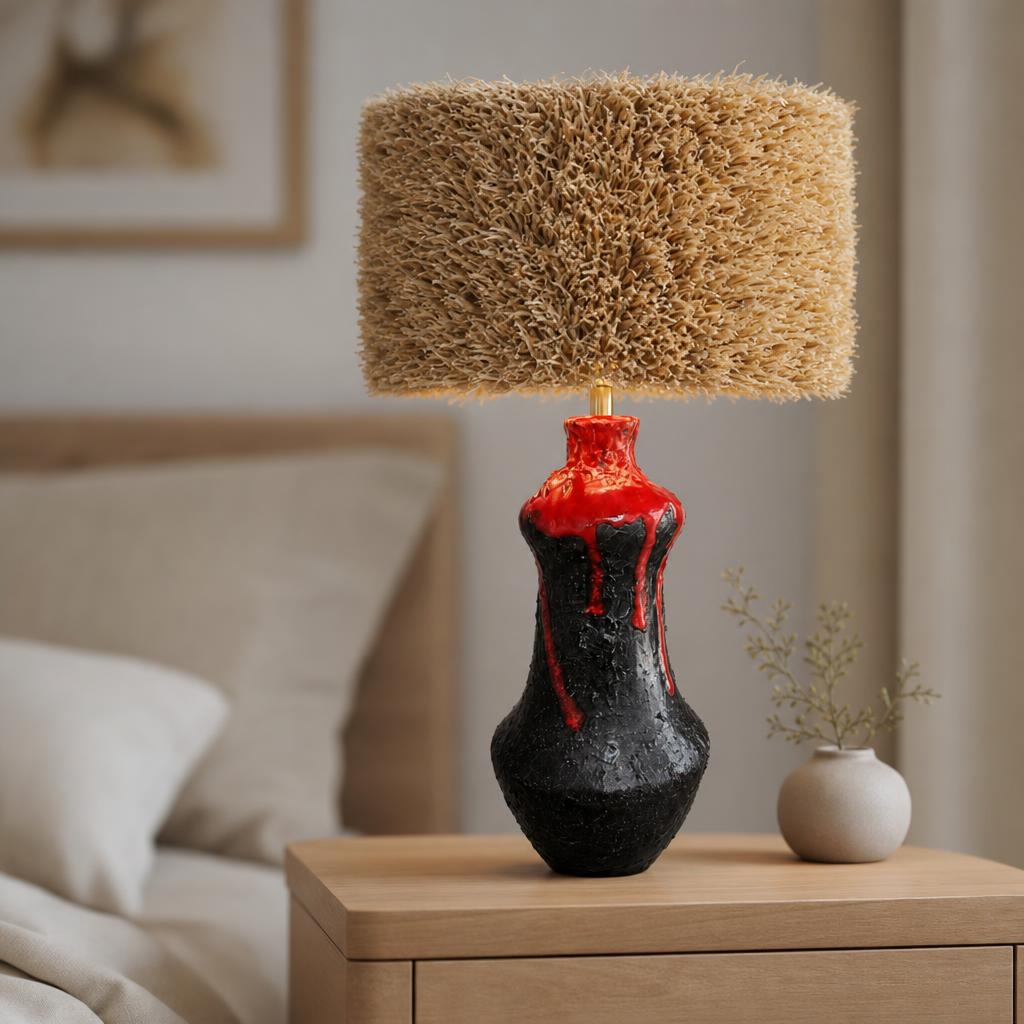
The lamp can also work as a bedside accent.
In a bedroom with simple bedding and natural materials, the patterned base can create a distinctive focal point beside the bed.
The raffia shade helps soften the visual impact, preventing the lamp from feeling too formal or rigid.
A single patterned lamp can work beautifully in an intentionally asymmetrical bedroom.
If the dimensions and furniture allow, two matching lamps can create a more balanced composition.
Before using it on a nightstand, compare the lamp's dimensions with the available surface and the overall height of the bed.
The lamp should contribute to the room without overwhelming the bedside furniture.
Styling a Patterned Ceramic Table Lamp
Because the ceramic base is already detailed, the most effective styling usually gives it some breathing room.
Avoid surrounding the lamp with too many objects that have equally strong patterns.
Instead, pair it with quieter textures and shapes.
Good companions can include:
- Natural wood furniture
- Warm white or beige walls
- Linen and woven textiles
- Stone or travertine surfaces
- Solid-color cushions
- Neutral rugs
- Simple ceramic accessories
- Natural greenery
The goal is not to make every object match.
It is to create enough visual connection that the lamp feels intentional within the room.
A Ceramic Accent Lamp with Personality
An accent lamp can contribute to a room even when it is not the primary source of illumination.
During the day, the patterned ceramic base acts like a decorative object.
At night, the lamp adds another layer of light to the room.
That combination makes decorative table lamps particularly useful in interiors where every object is expected to contribute to both function and atmosphere.
This lamp can be placed where its color and surface detail remain visible rather than hidden behind larger furniture.
Entryway consoles, sideboards, side tables, and bedside furniture are all natural locations.
Combining Pattern with Contemporary Interiors
Pattern does not have to make a room feel traditional.
Against simple contemporary architecture, an expressive ceramic lamp can create contrast and prevent the interior from feeling overly uniform.
The key is balance.
Clean furniture shapes can sit beside a patterned lamp.
Neutral walls can support colorful ceramics.
Natural materials can help connect decorative details with the rest of the room.
This approach allows the lamp to become an individual object rather than forcing the entire interior into one decorative theme.
Layering Ceramic Lighting Throughout the Home
Table lamps are most effective when they form part of a broader lighting scheme.
Pendant lights create the highest lighting layer.
Wall sconces provide illumination around the architecture of the room.
Table lamps introduce smaller pools of light at furniture level.
Together, these different sources create more depth than relying entirely on one ceiling fixture.
Pair this patterned lamp with Ceramic Pendant Lights in dining or kitchen areas.
Use Ceramic Wall Sconces in hallways, bedrooms, or living areas.
The fixtures do not need to use the exact same pattern.
Repeating ceramic as a material can provide enough continuity throughout the interior.
Where to Use This Patterned Ceramic Lamp
Living Room
Use it beside a sofa or armchair to introduce pattern and color at furniture level.
Bedroom
Place it on a nightstand or dresser as a decorative lighting accent.
Entryway
A console table gives the detailed ceramic base enough visibility to make a strong first impression.
Reading Corner
Pair it with a chair and small side table to create a more intimate zone within a larger room.
Console or Sideboard
Use the lamp as part of a curated arrangement alongside artwork, books, ceramics, or greenery.
Why Choose a Patterned Ceramic Table Lamp?
Plain lamps are easy to integrate, but patterned ceramic offers something different.
It allows the light fixture itself to contribute artwork-like detail to the room.
Ceramic also gives pattern a tactile quality that printed textiles or flat artwork cannot provide.
The rounded shape, glaze, surface decoration, and natural shade all interact with light differently throughout the day.
For interiors that need more personality, a patterned ceramic lamp can therefore provide both function and visual interest in a relatively compact object.
Complete the Look with Art Ceramic
Explore the complete Ceramic Table Lamps collection for more decorative lighting at furniture level.
Combine them with Ceramic Pendant Lights for kitchen islands, dining tables, and overhead focal lighting.
Add Ceramic Wall Sconces to introduce another layer of illumination across walls, hallways, bedrooms, and living spaces.
Together, these different ceramic lighting types can create a more layered and expressive interior.
Product FAQ
What colors are used on this ceramic table lamp?
The current product information describes a palette of cobalt blue, aqua/turquoise, terracotta, white, and natural beige tones in the shade.
What type of shade does the lamp have?
It features a textured natural raffia or straw-style fringe shade that contrasts with the decorated ceramic base.
Where can I place a patterned ceramic table lamp?
It can work on living room side tables, bedroom nightstands, consoles, entryway tables, sideboards, and other indoor decorative surfaces.
Does a patterned lamp work in a neutral interior?
Yes. A neutral room can provide an effective backdrop for a patterned ceramic lamp, allowing the colors and decoration to become a controlled focal point.
Can it be combined with other ceramic lighting?
Yes. Pair table lamps with ceramic pendant lights and wall sconces to create a layered lighting scheme at different heights.

Reviews
Clear filtersThere are no reviews yet.